

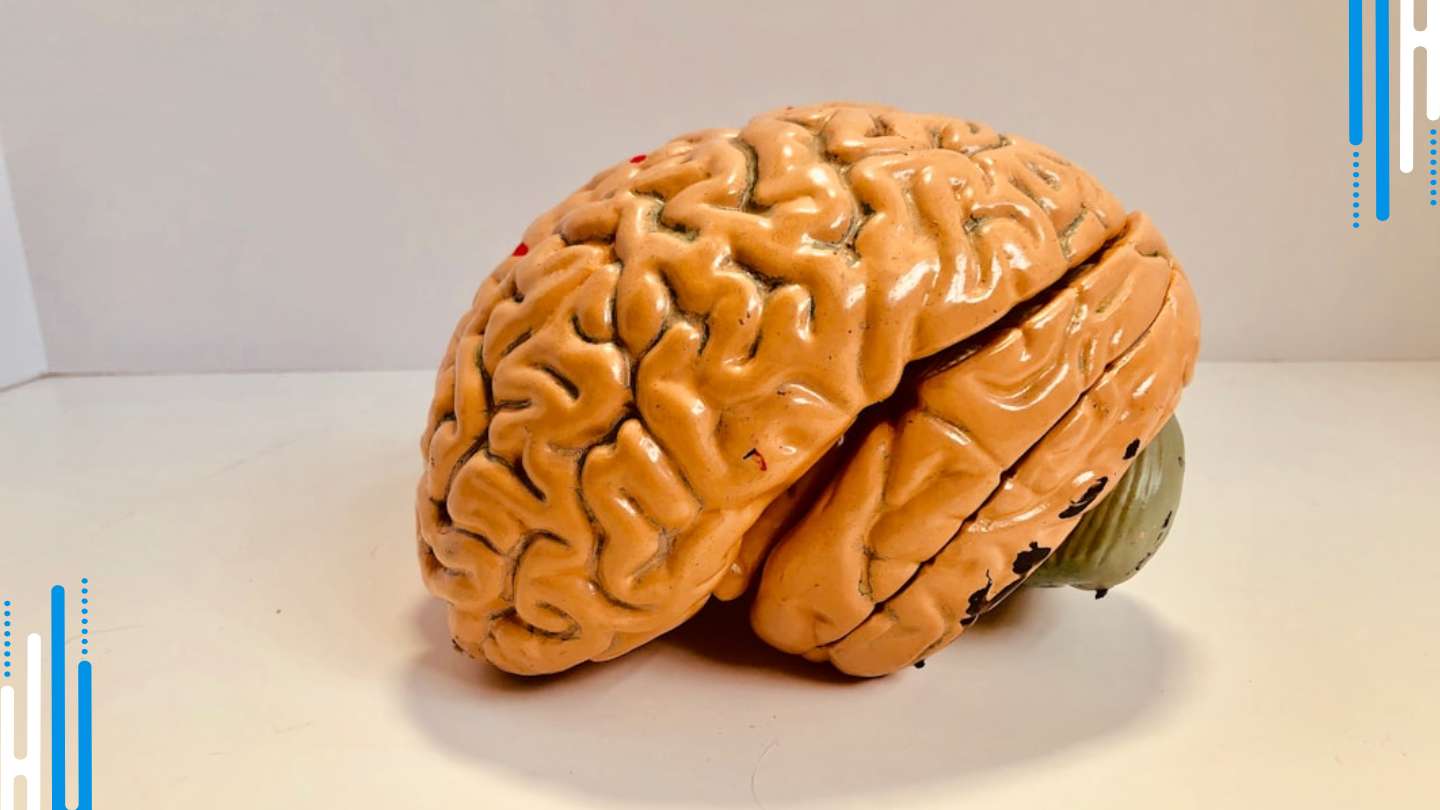
Benzo withdrawal and brain zaps are two common experiences that individuals may face when discontinuing the use of benzodiazepines, a class of medications commonly prescribed for anxiety and sleep disorders. Understanding and managing these symptoms is crucial for individuals who are going through the withdrawal process. This article will provide a comprehensive overview of benzo withdrawal and brain zaps, the importance of tapering, creating a tapering plan, managing symptoms, the role of support systems, coping strategies for dealing with brain zaps, maintaining a healthy lifestyle, seeking professional help, staying committed to the tapering process, and celebrating successes and progress.
Benzo withdrawal occurs when an individual stops or reduces their use of benzodiazepines after prolonged use. Benzodiazepines work by enhancing the effects of a neurotransmitter called gamma-aminobutyric acid (GABA), which helps to calm the brain and nervous system. When someone stops taking benzodiazepines, their brain may struggle to produce enough GABA on its own, leading to withdrawal symptoms.
One common symptom of benzo withdrawal is known as “brain zaps.” Brain zaps are described as a sensation of electrical shocks or jolts in the brain that can be accompanied by dizziness, disorientation, and a feeling of being disconnected from reality. These sensations can be extremely uncomfortable and distressing for individuals going through withdrawal.
Tapering is a gradual reduction in the dosage of benzodiazepines over time. It is considered the safest and most effective way to overcome benzo withdrawal. Tapering allows the brain to slowly adjust to lower levels of the medication, minimizing withdrawal symptoms and reducing the risk of severe complications.
Quitting benzodiazepines “cold turkey,” or abruptly stopping without tapering, can be dangerous and lead to severe withdrawal symptoms. Suddenly stopping benzodiazepines can cause a rapid increase in anxiety, insomnia, and other withdrawal symptoms. It can also increase the risk of seizures and other serious complications. Tapering under the guidance of a healthcare professional is essential for a safe and successful withdrawal process.
Creating an individualized tapering plan is crucial for a successful benzo withdrawal. The tapering plan should take into account factors such as the individual’s current dosage, duration of benzodiazepine use, overall health, and any underlying medical or psychiatric conditions. It is important to work closely with a healthcare professional who has experience in benzo withdrawal to develop a personalized plan.
The tapering plan typically involves gradually reducing the dosage of benzodiazepines over a period of weeks or months. The rate of tapering will vary depending on the individual’s specific circumstances. Slow and steady tapering is generally recommended to minimize withdrawal symptoms and allow the brain to adjust gradually.
During the tapering process, individuals may experience various withdrawal symptoms, including anxiety, insomnia, irritability, muscle tension, and brain zaps. It is important to have strategies in place to manage these symptoms effectively.
One common symptom experienced during benzo withdrawal is anxiety. Engaging in relaxation techniques such as deep breathing exercises, meditation, and yoga can help reduce anxiety levels. Regular exercise can also be beneficial for managing anxiety and improving overall well-being.
Insomnia is another common symptom during benzo withdrawal. Establishing a regular sleep routine, practicing good sleep hygiene, and creating a calm and comfortable sleep environment can help improve sleep quality. Avoiding caffeine and electronic devices before bedtime can also promote better sleep.
Having a strong support system is crucial for individuals going through benzo withdrawal. Withdrawal can be a challenging and isolating experience, and having supportive friends, family members, or support groups can provide much-needed encouragement and understanding.
Support systems can take various forms, including loved ones who are there to listen and offer emotional support, support groups where individuals can connect with others going through similar experiences, or online communities where individuals can share their stories and seek advice. It is important to reach out for support and not try to go through the withdrawal process alone.
Brain zaps can be one of the most distressing symptoms of benzo withdrawal. While there is no specific treatment for brain zaps, there are coping strategies that can help manage the discomfort.
One technique for managing brain zaps is to practice deep breathing exercises. Taking slow, deep breaths can help calm the nervous system and reduce the intensity of the zaps. Engaging in relaxation techniques such as meditation or progressive muscle relaxation can also be helpful.
It is important to stay calm and patient during episodes of brain zaps. Remind yourself that they are temporary and will eventually subside as your brain adjusts to the absence of benzodiazepines. Distracting yourself with activities you enjoy or focusing on positive thoughts can also help alleviate the discomfort.
Maintaining a healthy lifestyle is essential for supporting recovery during benzo withdrawal. This includes adopting healthy habits such as eating a balanced diet, getting regular exercise, and prioritizing sleep.
A balanced diet rich in fruits, vegetables, whole grains, and lean proteins can provide essential nutrients that support brain health and overall well-being. Regular exercise has been shown to reduce anxiety and improve mood, making it an important component of recovery. Prioritizing sleep by establishing a consistent sleep routine and creating a sleep-friendly environment can also contribute to overall well-being and help manage withdrawal symptoms.
While tapering under the guidance of a healthcare professional is important, there may be instances where additional professional help is needed. If withdrawal symptoms become severe or unmanageable, it is important to seek medical attention.
Healthcare professionals who specialize in addiction medicine or psychiatry can provide support and guidance throughout the withdrawal process. They may recommend additional medications or therapies to help manage withdrawal symptoms and ensure a safe and successful recovery.
Staying committed to the tapering process is crucial for a successful recovery from benzo withdrawal. It is important to remember that the withdrawal symptoms are temporary and will eventually subside as the brain adjusts to the absence of benzodiazepines.
During the tapering process, it is normal to experience ups and downs. There may be times when withdrawal symptoms feel overwhelming or when progress feels slow. It is important to stay patient, trust the process, and remind yourself of your ultimate goal of achieving a benzodiazepine-free life.
Celebrating successes and progress along the way is an important part of the recovery process. Recognizing and acknowledging milestones can provide motivation and encouragement to continue on the path to recovery.
Tracking progress by keeping a journal or using a recovery app can be helpful in celebrating successes. Setting small goals and rewarding yourself when you achieve them can also provide a sense of accomplishment and motivation to keep going.
In conclusion, benzo withdrawal and brain zaps are challenging experiences that individuals may face when discontinuing benzodiazepines. Understanding these symptoms, creating a personalized tapering plan, managing symptoms effectively, seeking support, and maintaining a healthy lifestyle are all crucial components of a successful recovery. It is important to seek professional help when needed and to stay committed to the tapering process. Celebrating successes and progress along the way can provide motivation and encouragement to continue on the path to recovery.
If you’re looking for information on benzodiazepine tapering and the uncomfortable withdrawal symptom known as “brain zaps,” you may find this article on benzodoc.com/blog quite helpful. It provides valuable insights and strategies for safely and effectively tapering off benzodiazepines, minimizing withdrawal symptoms such as brain zaps. Understanding the process and having the right guidance can make a significant difference in managing this challenging journey. For more information, check out the article here.

Dr. Leeds specializes in the Ashton Method, a well-established and evidence-based protocol for tapering off benzodiazepines. Developed by the renowned Dr. Heather Ashton, the Ashton Method provides a structured and safe approach to gradually reducing benzodiazepine dosages, minimizing withdrawal symptoms, and ultimately achieving freedom from these medications.
Contact Us for expert guidance on safely tapering off benzodiazepines and reclaiming your life.