

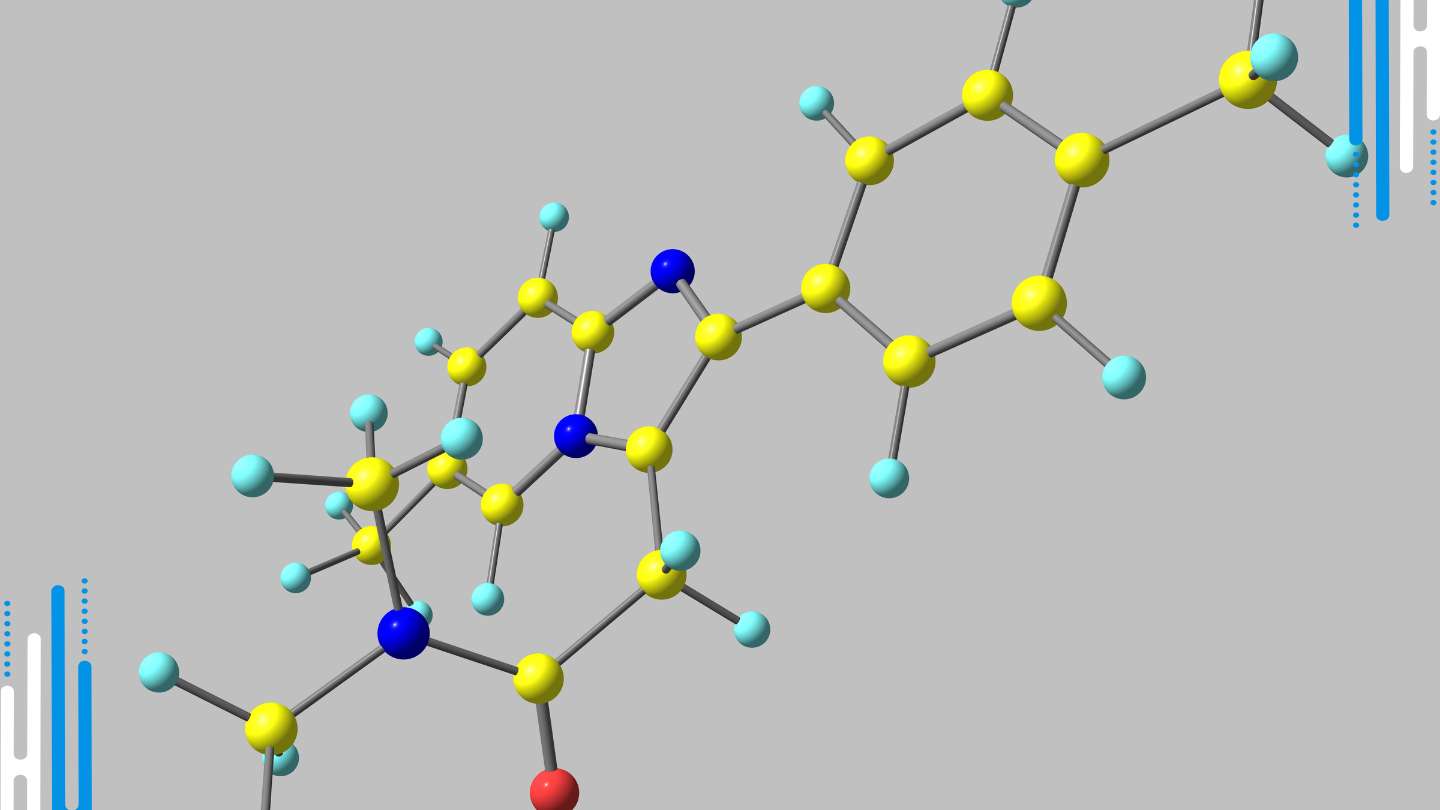
Zolpidem, sold as Ambien, is a z-drug, meaning a non-benzodiazepine hypnotic, prescribed for the short-term treatment of insomnia. Chemically it is not a benzodiazepine, but in the body it does what a benzodiazepine does, because it works at the same gamma-aminobutyric acid type A (GABA-A) receptor.
The Ashton Manual says as much. Table 1 in the Manual’s first chapter lists zolpidem alongside the benzodiazepines, with a note that they are chemically different but have the same effects and act by the same mechanisms. The table puts 20 mg of zolpidem at roughly the strength of 10 mg of diazepam and gives it a half-life of about two hours.
So, a person who has taken Ambien every night for years has the same problem as a person on a nightly benzodiazepine. The nervous system has adapted to the drug, and the drug has to be withdrawn the same way: slowly, under medical supervision, never all at once.
Usually not. The Ambien label calls it a short-term treatment, and the Manual reports that benzodiazepines are recommended for two to four weeks only, that tolerance to the sleep effect develops within a few weeks, and its Table 1 puts zolpidem in the same class. Unfortunately, prescriptions get refilled for years, often with the assurance that the pill is safe, and the person who took it exactly as directed finds that they cannot sleep without it.
That is physical dependence, a medical condition caused by the medication. Physical dependence is not addiction. There is no seeking and no escalation, only a nervous system that has rebuilt itself around a nightly drug and objects when the drug is removed.
The distinction matters because the treatment must match the condition. Dependence on a prescribed sleeping pill calls for a gradual medical taper planned with a physician, not addiction treatment. Dr. Mark Leeds, an osteopathic physician and deprescribing specialist in Fort Lauderdale, Florida, treats that condition with a taper, not a program.
It seems backwards. A drug that leaves the body quickly ought to be the easy one to quit, and Ambien’s own label gives a mean elimination half-life of about two and a half hours. In practice, that is what makes it hard to stop.
Think of the drug level as a tide. It comes in at bedtime and is gone by breakfast, so a nervous system that has adapted to the tide is left dry every day. The Manual describes this pattern for short-acting benzodiazepines, where anxiety appears between doses, and its second chapter puts zolpidem and zaleplon in the same two-hour class as triazolam.
With a nightly hypnotic, the space between doses is the entire day. Patients often describe daytime anxiety, then a night of poor sleep that they blame on themselves. Stopping abruptly does not end that cycle; it removes the tide altogether, and the adapted nervous system has nothing to hold on to.
The United States Food and Drug Administration (FDA) label for Ambien says, in its section on dependence, that sedative-hypnotics have produced withdrawal signs and symptoms after abrupt discontinuation, and that symptoms may occur with rapid dose reduction or discontinuation. For zolpidem it lists fatigue, nausea, flushing, lightheadedness, uncontrolled crying, vomiting, stomach cramps, panic attack, nervousness and abdominal discomfort.
Convulsions appear in the label’s general description of sedative-hypnotic withdrawal, and the Manual says severe symptoms such as convulsions follow abrupt or over-rapid withdrawal, especially from high doses. Seizures after stopping zolpidem are rare, and a person coming off a nightly dose slowly should not expect one.
Still, a seizure is a medical emergency. Anyone who has one, or any other medical emergency, should call 911 or their local emergency services at once.
In 2020 the FDA updated the boxed warning on every benzodiazepine to cover abuse, misuse, addiction, physical dependence and withdrawal reactions, noting that dependence can develop within days to weeks even as prescribed, that stopping abruptly or cutting too quickly can cause withdrawal reactions including seizures, and that a gradual taper is the answer. That update covers benzodiazepines, not zolpidem, yet because the two act by the same mechanism Dr. Leeds applies the same caution to Ambien.
Less than many websites claim. The Manual, written by Professor C. Heather Ashton, contains no zolpidem schedule, and its example schedules are all built around diazepam. What it does say, in Table 1 of the first chapter, is that zolpidem has the same effects and acts by the same mechanisms as the benzodiazepines, and Dr. Leeds takes that at its word.
The Manual’s method for the benzodiazepines has three parts, and Dr. Leeds applies it to zolpidem. Reductions are small, up to one tenth of the current dose at each step, and each step is held until the person is steady. The pace belongs to the patient, whom the Manual calls the best judge of it, and whether the whole process takes six months, twelve or eighteen matters little after years on the drug.
The third part is the switch. For most short-acting benzodiazepines, the Manual moves the person to a long-acting one such as diazepam, so that the daily tide becomes a steady level that can be lowered in tiny amounts.
Dr. Leeds weighs that switch, a crossover taper, one patient at a time. Some people do well reducing zolpidem itself in small or liquid doses, with no substitution. Others, especially on higher doses or with hard daytime symptoms, do better after a move to diazepam on the Manual’s principles; his Ashton Manual approach has its own page.
It looks like months, sometimes longer, and it is shaped around the person rather than a calendar. Dr. Leeds begins with a full history: the dose, how long it has been taken, whether the extended-release form (Ambien CR) is involved, and what happened on any earlier attempt to stop.
The reductions get smaller as the dose gets lower. This is the hyperbolic pattern described in the Maudsley Deprescribing Guidelines: the last few milligrams do far more at the receptor than the first few, so equal cuts feel progressively harsher. Because tablets cannot be divided finely enough, he often prescribes a compounded liquid formulation of the same drug, measured in very small amounts with nothing added.
Informed consent runs through the whole plan. Dr. Leeds explains the risks of tapering and of staying on the drug, the alternatives, and how the taper is expected to end, and the patient keeps the right to slow down, pause or decline at any point. He provides medically supervised tapering by telemedicine to patients throughout Florida, in a concierge practice with one physician.
Rebound insomnia is sleep that is worse than it was before the drug, arriving in the first nights after a dose is cut or the drug is stopped. It is the adapted nervous system showing itself, not proof that the person needs Ambien for life.
A hold is the answer. Instead of cutting again, or going back up, the patient stays at the current dose until the rebound settles, which may take days or a few weeks. The Manual’s advice is to avoid going backwards and to avoid increasing the dose again wherever possible, and a hold keeps that advice without forcing anyone through a bad stretch.
If a cut proves too fast, the doctor must help by advising a slower step. If a cut proves easy, patient and doctor may agree to go a bit faster, as tolerated. Nobody is told they are failing the plan, because the plan is adjusted to the person.
The plain habits help, because a taper removes a drug that had been standing in for them. A fixed wake time every day, including weekends, does more than a fixed bedtime. A cool, dark, quiet bedroom, daylight and movement earlier in the day, no caffeine after lunch, and no screens in the last hour before bed all give the sleep system something to work with.
What does not help is another sedative. The Manual warns that zolpidem, zopiclone and zaleplon all have the same actions as benzodiazepines, so swapping one sleeping pill for another, or adding a benzodiazepine on the bad nights, moves the dependence rather than treating it. A patient who is tempted to do that should tell Dr. Leeds, because the honest answer is usually a hold, not a second drug.
A planned crossover to diazepam is a different thing. One drug replaces the other on a schedule, under supervision, and the total then comes down.
Sleep does come back, slowly and unevenly, with good nights and bad nights mixed for a while. That unevenness is healing, not a setback. Some patients who taper slowly enough tell him they sleep better at the end than they did on the pill, though not everyone, and not quickly.
Dr. Leeds’ practice offers one thing to people who want off Ambien or generic zolpidem: a gradual, medically supervised taper, planned and adjusted with the patient, by telemedicine across Florida. Anyone who has tried before and could not sleep does not have to try alone. Contact Dr. Leeds through the practice’s contact form to ask about a taper.
This article is educational. It is not medical advice, and reading it does not create a doctor-patient relationship. Decisions about starting, continuing, or tapering any medication should be made with your own physician.

Mark Leeds, D.O. is an osteopathic physician and deprescribing specialist in Fort Lauderdale, Florida. He helps patients come off benzodiazepines and sleeping pills with a slow, patient-directed taper guided by the Ashton Manual and the Maudsley Deprescribing Guidelines. Physical dependence is not addiction, and a careful taper is measured in months, not days.
Contact Us for expert guidance on safely tapering off benzodiazepines and reclaiming your life.