

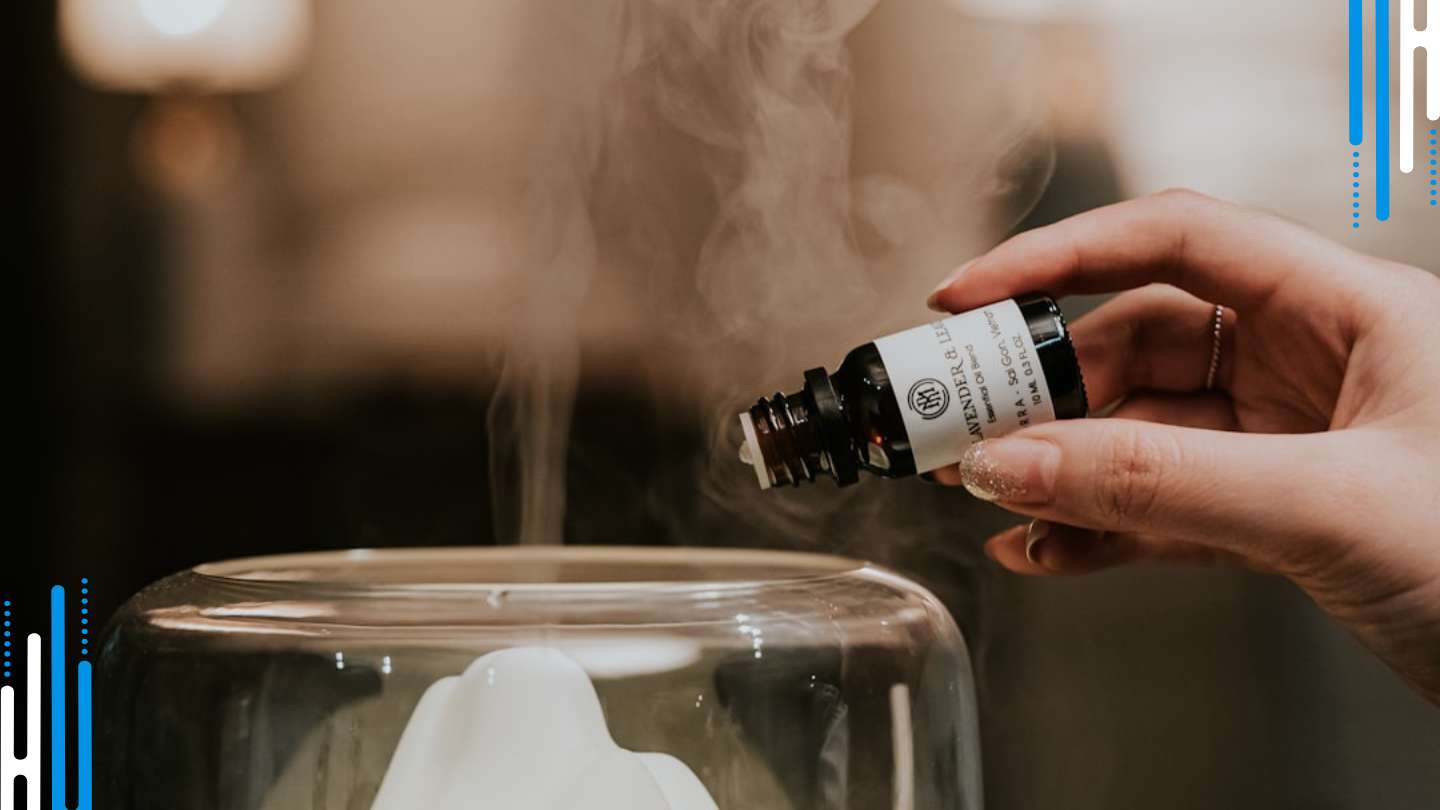
Benzodiazepine withdrawal can be a challenging and uncomfortable process for individuals who have been using these medications for an extended period of time. Symptoms such as anxiety, insomnia, nausea, and headaches can make the withdrawal process even more difficult. However, there are natural alternative therapies that can help alleviate these symptoms and support the body during this transition. One such therapy is aromatherapy, which utilizes essential oils to promote relaxation, reduce anxiety, improve sleep, and provide relief from various withdrawal symptoms.
Aromatherapy is a holistic healing practice that has been used for centuries to promote physical and emotional well-being. It involves the use of essential oils, which are highly concentrated plant extracts that capture the natural fragrance and therapeutic properties of plants. These oils can be inhaled, applied topically, or used in various other ways to provide a wide range of benefits.
Benzodiazepines are a class of medications commonly prescribed for anxiety, insomnia, and other conditions. They work by enhancing the effects of a neurotransmitter called gamma-aminobutyric acid (GABA), which helps to calm the brain and nervous system. However, prolonged use of benzodiazepines can lead to dependence and withdrawal symptoms when the medication is discontinued.
Common symptoms of benzodiazepine withdrawal include anxiety, irritability, restlessness, insomnia, nausea, headaches, muscle pain and stiffness, tremors, and difficulty concentrating. These symptoms can be severe and may last for several weeks or even months. It is important to seek medical guidance when discontinuing benzodiazepines to ensure a safe and gradual tapering process.
Aromatherapy is a complementary therapy that uses essential oils derived from plants to promote physical and emotional well-being. These oils are extracted from various parts of plants, including flowers, leaves, stems, and roots. They contain the natural aromatic compounds of the plants, which have been found to have therapeutic effects on the body and mind.
Essential oils can be used in a variety of ways, including inhalation, topical application, and ingestion (although ingestion should only be done under the guidance of a qualified aromatherapist). When inhaled, the aromatic molecules of essential oils stimulate the olfactory system and send signals to the brain, which can have a profound impact on emotions, mood, and overall well-being. When applied topically, essential oils can be absorbed through the skin and enter the bloodstream, where they can exert their therapeutic effects.
There are several essential oils that can be beneficial for individuals going through benzodiazepine withdrawal. These oils can help alleviate symptoms such as anxiety, insomnia, nausea, headaches, and muscle pain. Some commonly used essential oils for benzodiazepine withdrawal include lavender, chamomile, bergamot, frankincense, and clary sage.
Lavender essential oil is known for its calming and relaxing properties. It can help reduce anxiety and promote restful sleep. Chamomile essential oil has similar properties and is often used to soothe nerves and induce relaxation. Bergamot essential oil has uplifting and mood-enhancing effects, making it useful for individuals experiencing depression or low mood during withdrawal. Frankincense essential oil has grounding and centering properties that can help reduce anxiety and promote emotional balance. Clary sage essential oil is known for its ability to relieve muscle tension and promote relaxation.
These essential oils can be used individually or in combination to create personalized blends that address specific symptoms or needs during benzodiazepine withdrawal. They can be diffused in a room using an essential oil diffuser, applied topically to the skin (diluted with a carrier oil), or added to a warm bath for a soothing and relaxing experience.
One of the primary benefits of aromatherapy is its ability to reduce anxiety and stress. The inhalation of certain essential oils can have a direct impact on the brain and nervous system, promoting relaxation and calmness. This can be particularly beneficial for individuals going through benzodiazepine withdrawal, as anxiety and stress are common symptoms during this time.
Several essential oils are known for their anxiolytic (anti-anxiety) properties. Lavender essential oil, for example, has been shown to reduce anxiety levels and improve mood. It can help calm the mind and promote a sense of peace and tranquility. Bergamot essential oil has also been found to have anxiety-reducing effects, as well as mood-enhancing properties.
Other essential oils that can help alleviate anxiety and stress include chamomile, ylang-ylang, clary sage, and frankincense. These oils can be used individually or in combination to create personalized blends that address specific symptoms or needs. They can be diffused in a room, applied topically (diluted with a carrier oil), or used in other ways to promote relaxation and reduce anxiety.
Insomnia and sleep disturbances are common symptoms of benzodiazepine withdrawal. Many individuals find it difficult to fall asleep or stay asleep during this time, which can further exacerbate other withdrawal symptoms. Aromatherapy can be a helpful tool for improving sleep quality and promoting restful sleep.
Certain essential oils have sedative properties that can help induce sleep and improve sleep quality. Lavender essential oil is one of the most well-known oils for promoting sleep. It has been shown to increase the duration of deep sleep and improve overall sleep quality. Roman chamomile essential oil is another oil that can help promote relaxation and improve sleep. It has a calming effect on the nervous system and can help reduce anxiety and restlessness.
Other essential oils that can be beneficial for insomnia and sleep disorders include vetiver, sandalwood, and clary sage. These oils can be used individually or in combination to create personalized blends that promote relaxation and support a restful night’s sleep. They can be diffused in a room, applied topically (diluted with a carrier oil), or added to a warm bath before bedtime.
Nausea and digestive issues are common symptoms during benzodiazepine withdrawal. These symptoms can be uncomfortable and make it difficult to eat or maintain proper nutrition. Aromatherapy can be a helpful tool for alleviating nausea and supporting digestive health during this time.
Several essential oils have anti-nausea and digestive properties that can help relieve symptoms such as nausea, vomiting, indigestion, and stomach cramps. Peppermint essential oil is one of the most commonly used oils for these purposes. It has been found to have anti-nausea effects and can help soothe an upset stomach. Ginger essential oil is another oil that can be beneficial for nausea and digestive issues. It has been used for centuries to alleviate symptoms such as nausea, vomiting, and indigestion.
Other essential oils that can help with nausea and digestive issues include lemon, fennel, and chamomile. These oils can be used individually or in combination to create personalized blends that address specific symptoms or needs. They can be inhaled directly from the bottle, diffused in a room, applied topically (diluted with a carrier oil) to the abdomen, or used in other ways to provide relief.
Headaches and migraines are common symptoms during benzodiazepine withdrawal. These symptoms can be debilitating and make it difficult to function on a daily basis. Aromatherapy can be a helpful tool for alleviating headaches and migraines and providing relief from pain and discomfort.
Several essential oils have analgesic (pain-relieving) properties that can help reduce headache and migraine symptoms. Peppermint essential oil is one of the most commonly used oils for these purposes. It has a cooling effect on the skin and can help relieve tension headaches. Lavender essential oil is another oil that can be beneficial for headaches and migraines. It has been shown to reduce the severity and frequency of migraines.
Other essential oils that can help with headaches and migraines include eucalyptus, rosemary, and frankincense. These oils can be used individually or in combination to create personalized blends that address specific symptoms or needs. They can be applied topically (diluted with a carrier oil) to the temples, forehead, or back of the neck, or used in other ways to provide relief.
Aromatherapy can be a natural alternative to medications for individuals going through benzodiazepine withdrawal. While medications can be effective in managing withdrawal symptoms, they often come with side effects and risks. Aromatherapy, on the other hand, is a safe and natural therapy that can provide relief from symptoms without the potential risks associated with medications.
One of the benefits of aromatherapy is its ability to address multiple symptoms at once. For example, an essential oil blend that includes lavender, chamomile, and bergamot can help reduce anxiety, promote sleep, and improve mood. This holistic approach can be particularly beneficial for individuals going through benzodiazepine withdrawal, as it can support the body and mind on multiple levels.
Aromatherapy is also a non-invasive therapy that can be easily incorporated into daily life. Essential oils can be used at home, at work, or on the go, making them a convenient and accessible option for individuals going through withdrawal. They can be used in various ways, such as diffusing them in a room, applying them topically, or adding them to a bath or shower.
When using aromatherapy during benzodiazepine withdrawal, it is important to follow certain guidelines to ensure safety and effectiveness. Here are some tips for using aromatherapy safely and effectively during withdrawal:
1. Choose high-quality essential oils: It is important to choose high-quality essential oils that are pure and free from synthetic additives. Look for oils that are labeled as 100% pure and therapeutic grade.
2. Dilute essential oils: Essential oils are highly concentrated and should be diluted before applying them to the skin. Use a carrier oil such as coconut oil, jojoba oil, or sweet almond oil to dilute the essential oils.
3. Perform a patch test: Before applying an essential oil topically, perform a patch test to check for any allergic reactions or sensitivities. Apply a small amount of diluted oil to a small area of skin and wait 24 hours to see if any adverse reactions occur.
4. Use caution with certain oils: Some essential oils may not be suitable for everyone or may require extra caution. For example, pregnant women should avoid certain oils such as clary sage and rosemary. It is important to research each oil before using it and consult with a qualified aromatherapist if necessary.
5. Start with low concentrations: When using essential oils for the first time, start with low concentrations and gradually increase as needed. This will help to minimize the risk of adverse reactions and allow the body to adjust to the oils.
6. Follow recommended guidelines: Each essential oil has its own recommended guidelines for use. It is important to follow these guidelines and not exceed the recommended dosage or duration of use.
7. Seek professional guidance: If you are unsure about how to use essential oils or have specific health concerns, it is recommended to seek guidance from a qualified aromatherapist or healthcare professional.
Aromatherapy can be combined with other therapies for maximum benefit during benzodiazepine withdrawal. There are several complementary therapies that can work synergistically with aromatherapy to support the body and mind during this time.
One such therapy is massage therapy, which can help relieve muscle tension, promote relaxation, and improve circulation. Massage therapists often use essential oils in their practice to enhance the therapeutic effects of the massage. Aromatherapy can also be combined with acupuncture, yoga, meditation, and other relaxation techniques to provide a holistic approach to withdrawal.
It is important to consult with a qualified practitioner when combining therapies to ensure safety and effectiveness. Each individual is unique and may require a personalized approach that takes into account their specific needs and circumstances.
Aromatherapy can be a valuable tool for individuals going through benzodiazepine withdrawal. It offers a natural and holistic approach to managing withdrawal symptoms and supporting the body and mind during this challenging time. By using essential oils that have calming, relaxing, and pain-relieving properties, individuals can find relief from symptoms such as anxiety, insomnia, nausea, headaches, and muscle pain.
It is important to remember that aromatherapy is not a substitute for medical treatment or professional guidance. It should be used as a complementary therapy alongside other supportive measures. If you are considering using aromatherapy during benzodiazepine withdrawal, it is recommended to consult with a qualified aromatherapist or healthcare professional to ensure safety and effectiveness.
Overall, aromatherapy can provide a natural and gentle approach to managing withdrawal symptoms and promoting well-being during benzodiazepine withdrawal. By harnessing the power of essential oils, individuals can find relief from symptoms and support their body’s natural healing process. Give aromatherapy a try and experience the benefits for yourself.
If you’re interested in learning more about the benefits of aromatherapy for benzodiazepine withdrawal, you may find the article “Safe and Effective Xanax Tapering: A Step-by-Step Guide” to be a valuable resource. This comprehensive guide, available at https://benzodoc.com/safe-and-effective-xanax-tapering-a-step-by-step-guide/, provides detailed information on how to safely taper off Xanax, a commonly prescribed benzodiazepine. It explores various strategies and techniques, including the potential role of aromatherapy in managing withdrawal symptoms. Whether you’re considering benzodiazepine withdrawal or supporting someone who is, this article offers practical advice and insights to help navigate the process effectively.

Mark Leeds, D.O. is an osteopathic physician and deprescribing specialist in Fort Lauderdale, Florida. He helps patients come off benzodiazepines and sleeping pills with a slow, patient-directed taper guided by the Ashton Manual and the Maudsley Deprescribing Guidelines. Physical dependence is not addiction, and a careful taper is measured in months, not days.
Contact Us for expert guidance on safely tapering off benzodiazepines and reclaiming your life.