The internet is full of claims that the right diet, the right exercise plan, or the right supplement stack can get a person off benzodiazepines. The honest starting point is smaller and more useful: lifestyle changes support a taper. They do not replace one.
That distinction matters, because people who believe lifestyle alone will carry them through often cut their dose too fast, get hurt, and blame themselves. The problem was never their discipline. It was the plan.
Can lifestyle changes lower a benzodiazepine dose on their own?
No, and it helps to understand why. Benzodiazepines enhance the activity of gamma-aminobutyric acid (GABA), the brain’s main calming neurotransmitter. With regular use, even at prescribed doses, the brain adapts by reducing the number and sensitivity of its GABA receptors. This is physical dependence.
Physical dependence is not addiction, and it is not a habit that better routines can break. It is a physical adaptation of the nervous system, and it resolves the same way it formed: gradually.
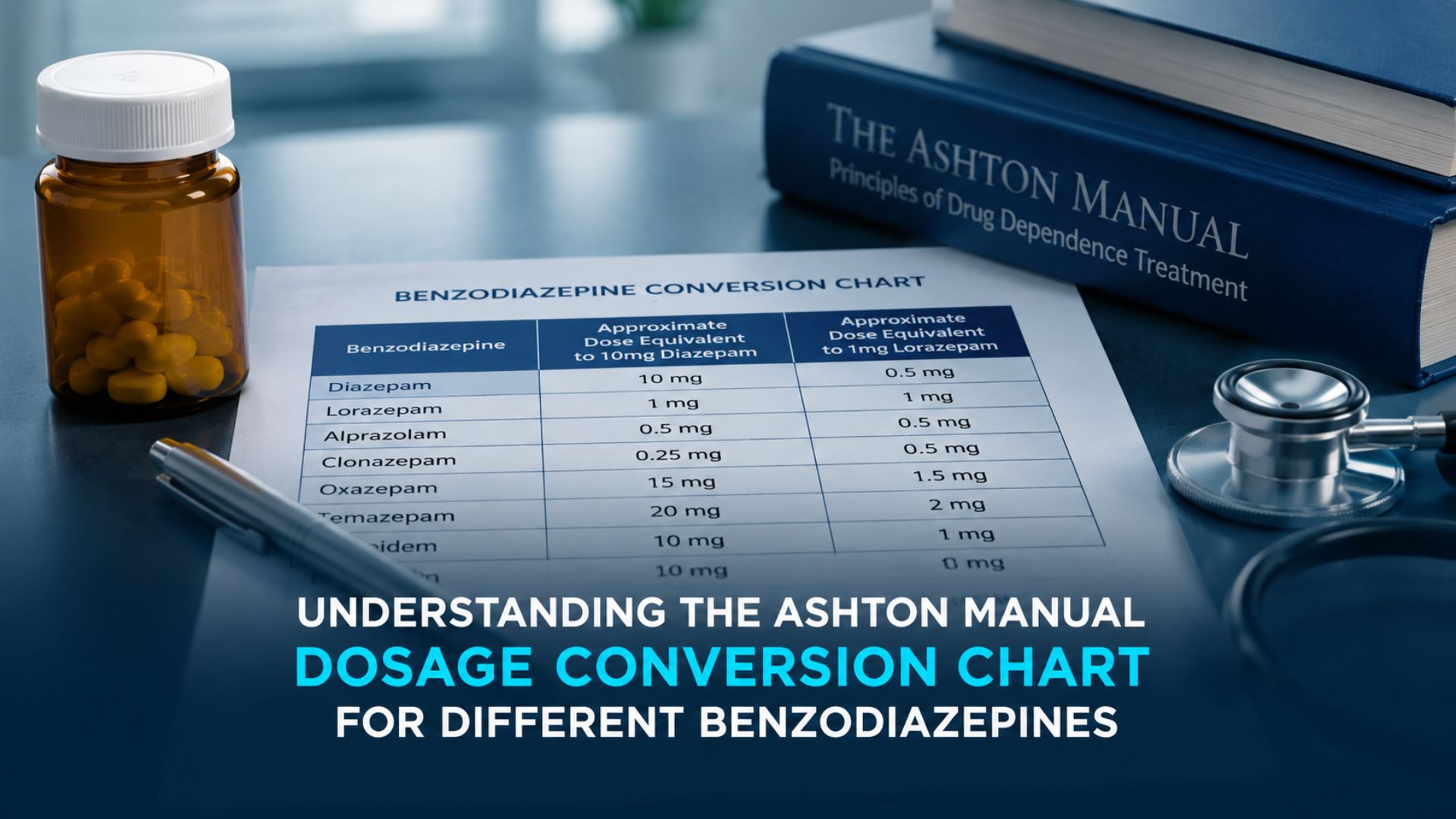
The dose comes down through a slow, medically supervised taper, with reductions sized to what the nervous system can absorb. This is the approach described in the Ashton Manual, written by the late Professor C. Heather Ashton, and it is consistent with the 2020 benzodiazepine label update from the U.S. Food and Drug Administration (FDA), which recognized physical dependence and the need for gradual dose reduction.
Lifestyle changes have a different job. They make the taper steadier and each day more livable. That job is real, and it is worth doing well.
Why do daily habits matter so much during a taper, then?
Because a nervous system in withdrawal is destabilized, and a destabilized system settles fastest when life around it is predictable.
Regular wake times, regular meals, familiar routines, and a manageable schedule all lower the background stress load. When a dose reduction arrives, it lands on calmer ground.
None of this is dramatic. Most of what helps during a taper looks ordinary from the outside. That is not a weakness of the approach; it is the point.
What is the one non-negotiable: avoiding alcohol?
Yes. Alcohol acts on the same GABA receptors as benzodiazepines. Drinking during a taper can destabilize it, worsen withdrawal symptoms, and increase the risk of seizures.
On almost every other lifestyle question, individual responses vary. On this one they do not. Alcohol should be avoided entirely during benzodiazepine tapering and withdrawal.
How should sleep be handled during dose reduction?
First, with fairness. Insomnia is one of the most common withdrawal symptoms, so a patient sleeping badly during a taper is not doing sleep hygiene wrong. Their nervous system is temporarily bad at sleeping.
Within that reality, consistency helps: the same bedtime and wake time every day, a dark and quiet room, and a wind-down routine that does not involve screens. A warm bath, reading, or slow breathing all signal safety to a system listening hard for danger.
Expectations should stay honest. Early progress usually means sleep improves a little, not that it becomes perfect. A little more sleep, a little less reactivity the next day, is real progress during a taper.
Does exercise speed up a taper?
It does not speed up the taper, and it should not be used to try. What movement reliably does is steady the system that the taper is stressing: mood lifts, muscle tension eases, and the day gains structure.
Gentle forms work well for most patients in withdrawal: walking, stretching, easy swimming, unhurried yoga. Intensity is individual, and some patients find hard exercise stirs symptoms up rather than settling them.
Rest deserves equal billing. The nervous system recalibrates during rest, so an easy day is not lost ground or laziness. It is part of the process.
What role does food play in a benzodiazepine taper?
A supporting one. Regular, balanced meals keep energy and mood steadier through the day, and that steadiness matters to a sensitized nervous system. Many patients also deal with digestive symptoms during withdrawal, sometimes called benzo belly, and simple, regular meals tend to be easier on an unsettled gut.
What food does not do is treat withdrawal or anxiety. No specific diet has that power, and any plan sold as a nutritional cure for a psychiatric medication problem deserves skepticism. Good eating during a taper is support, not treatment.
Are supplements and herbal remedies a good idea?
Caution beats enthusiasm here. Some supplements can aggravate withdrawal symptoms in sensitive patients, reactions vary widely from person to person, and products marketed for relaxation are not automatically safe for someone whose GABA system is recalibrating.
There is no universal list of what to take or avoid. Supplement decisions during a taper belong with a physician who understands the pharmacology involved and knows the individual patient.
How do stress and daily pacing affect dose reductions?
Stress and withdrawal feed each other, so anything that trims avoidable stress makes room for the taper. Slow breathing exercises can help a surge of anxiety pass. Boundaries around work, obligations, and difficult conversations protect limited reserves. A lighter calendar is a legitimate medical strategy during dose reduction.
Meaningful activity belongs in the plan too. Time outdoors, a hobby that absorbs attention, ordinary time with people who feel safe: these engage the mind somewhere other than symptom-watching, and connecting with meaningful activities supports healing.
Patients who want a fuller picture of what the harder stretches look like, and how holds and symptom waves are managed, can read about the common obstacles in benzodiazepine withdrawal.
How does Dr. Leeds fold lifestyle into a taper plan?
Mark Leeds, D.O. is an osteopathic physician and deprescribing specialist in Fort Lauderdale, Florida, and he serves on the medical advisory board of the Benzodiazepine Information Coalition. His practice provides medically supervised benzodiazepine and z-drug tapering by secure telemedicine throughout Florida, built on the Ashton Manual method.
Weekly appointments leave time to work through sleep, meals, movement, and stress alongside the dose schedule, and coaching toward meaningful activity is part of the care rather than an afterthought. The patient sets the pace, holds are treated as normal taper management, and lifestyle is used for what it genuinely offers: a steadier road under a gradual taper.
Final Thoughts
Lifestyle changes will not lower a benzodiazepine dose, but they decide, day by day, how livable the lowering is. Keep the routine predictable, protect sleep without demanding perfection, move gently, eat regularly, leave alcohol out entirely, and treat rest as part of the work.
If you are planning a taper or struggling inside one, the dose schedule and the daily life around it deserve the same careful attention. For medically supervised benzodiazepine tapering that takes both seriously, contact Dr. Leeds today through the contact page.