

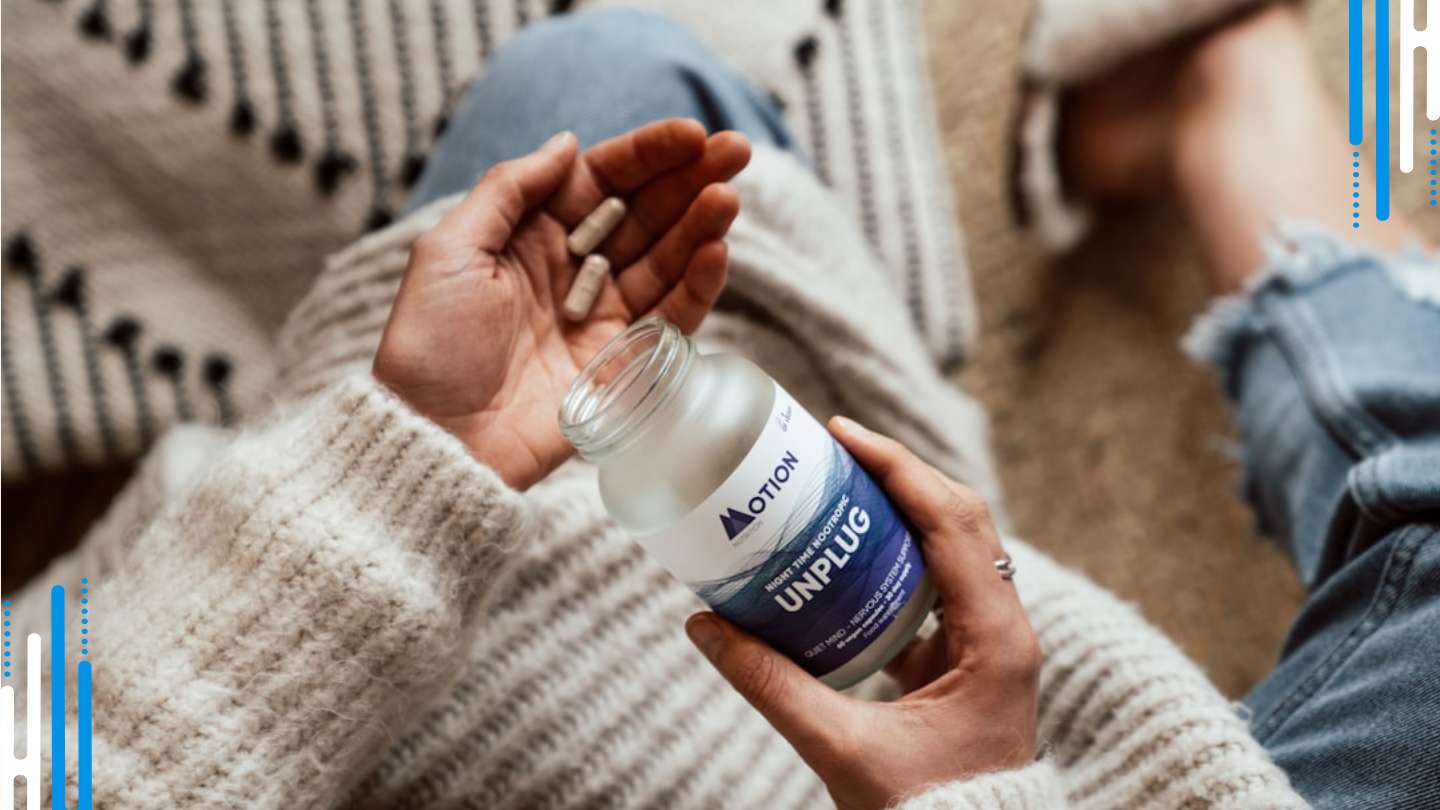
Patients ask Dr. Mark Leeds about niacin often, usually after reading about vitamin B3 on a forum or a supplement website. The honest answer is that the evidence is essentially absent. Neither the Ashton Manual nor the Maudsley Deprescribing Guidelines offer niacin as a withdrawal aid, and clinical experience with it varies.
That silence is itself information. When two reference works that cover withdrawal in detail offer nothing of the kind, the likeliest reason is that there is nothing to offer.
So, what is niacin, why do people reach for it during withdrawal, and what can a large dose of it do to a person?
Niacin, also known as vitamin B3 or nicotinic acid, is a vitamin the body uses to turn food into energy. It is found in meat, fish, poultry, peanuts and fortified grains. A related form, niacinamide, does the same vitamin work without the flushing described below.
A true shortage of niacin causes pellagra, a disease of the skin, the gut and the mind that is rare wherever flour is fortified. Benzodiazepine withdrawal does not create a shortage. In other words, the supplement is not replacing anything the taper took away.
The confusion comes from niacin’s second life as a prescription drug. In doses many times higher than any diet provides, nicotinic acid lowers cholesterol, and the United States Food and Drug Administration (FDA) approved it for that purpose. Those are the doses that supplement websites borrow for withdrawal, and those are the doses that carry the risks.
Benzodiazepine withdrawal is frightening, and the people going through it are often alone with it. Family members mistake physical dependence for a drug problem, and the doctor who renewed the prescription for years may shrug when the patient tries to stop. A person in that position will try almost anything that promises relief, and a vitamin from the grocery store looks safe.
Niacin also has an online reputation as a cleansing vitamin that flushes toxins out of the body. The flush is real, as a sensation. The cleansing is not. The red, itchy skin that follows a large dose is a blood-vessel reaction, and the only thing it removes is the money spent on the bottle.
Then there is the theory that niacin calms the nervous system or improves sleep by way of serotonin. It is a theory, and a thin one, and no one should reduce a benzodiazepine any faster on the strength of it.
Benzodiazepines boost the brain’s main calming signal, gamma-aminobutyric acid (GABA), and over months of daily use the brain turns its own calming system down to compensate. Take the drug away and the brake is missing. That adaptation is physical dependence, a medical condition caused by a prescription, and it deserves medical treatment.
Addiction is something else: compulsive use of a drug despite harm to the person’s life. A patient who takes a benzodiazepine exactly as directed and now cannot stop is not showing that pattern. They have a dependence problem, and the treatment for a dependence problem is a taper.
Why does the distinction matter here? Because the supplement trade and the addiction-treatment trade sell the same idea: that withdrawal is something to be pushed through with the right product. It is not. Withdrawal is something to be avoided, by reducing the dose so gradually that the nervous system barely notices.
Professor C. Heather Ashton, whose Ashton Manual at benzo.org.uk is the reference work for slow tapering, answered the supplement question directly. In Chapter III, under diet, fluids and exercise, she wrote that there is no general need for dietary supplements or extra vitamins or minerals, and that all of these can be harmful in excess. She added that there is no need to drink extra fluid to flush out impurities, because the body is very good at that on its own.
Her advice was a normal, healthy diet: generous fruit and vegetables, a source of protein and fat, and not too much pure sugar or junk food. In Professor Ashton’s opinion there was no need to be over-obsessive about diet during withdrawal.
The Maudsley Deprescribing Guidelines, the other source Dr. Leeds relies on, spend their pages on the shape of the dose reductions, not on what to add to the shopping cart. Neither source treats a vitamin as part of the treatment.
Flushing is the risk everyone notices first. Soon after a large dose the face and upper body turn red and hot and the skin itches, an effect so predictable that the FDA prescribing information for prescription-strength niacin describes taking aspirin beforehand to blunt it. Unfortunately, a flush can feel like the start of a panic attack to a person already in withdrawal.
The liver is the risk that matters. The same prescribing information warns that niacin can raise liver enzymes, a sign of liver stress, and that slow-release products swapped in to avoid the flush have caused severe liver injury. A person cannot feel their liver being hurt, and without a blood test there is no way to know it is happening.
There is more. Niacin can raise blood sugar, which matters to anyone with diabetes, it can raise uric acid and bring on gout, it is a poor idea for anyone who already has a liver condition, and it can cause nausea, vomiting and diarrhea. The niacin prescribing information warns of muscle breakdown when it is taken alongside a cholesterol-lowering statin, and it can add to the effect of some blood-pressure medications.
Every one of those is a reason to tell the prescriber before starting niacin at all. Dr. Leeds plans a taper around a patient’s whole medication list, and a supplement taken in prescription doses belongs on that list.
Supplement websites give one, and they are wrong to. There is no established niacin dose for benzodiazepine withdrawal because there is no established use of niacin in benzodiazepine withdrawal. Any number would be borrowed from cholesterol treatment and dressed up as a withdrawal aid.
The daily requirement of niacin is small, and a high-dose supplement bottle holds many times that. The gap between those two figures is where the liver risk lives, and no one should cross it because a website said so.
While a patient may still want to try niacin, the place to raise it is with the physician supervising the taper, who can decide whether liver tests are needed before and during, and when to stop. The way not to do it is to order a bottle and start.
The reason benzodiazepine withdrawal hurts is that the drug was removed faster than the nervous system could adapt. The 2020 FDA boxed-warning update for benzodiazepines says as much: abrupt discontinuation or rapid dose reduction can cause withdrawal reactions that are life-threatening, and it calls for a gradual taper to reduce that risk.
Seizures are among those reactions, and a seizure is a medical emergency. Call emergency services (911) for a seizure or any other medical emergency.
While this is not a perfect analogy, coming off of a benzodiazepine is like walking down a long ramp. The ramp is the taper, and its gentle slope is what keeps you upright. A supplement bottle is a handrail that is not bolted to anything: it looks like support, and it gives way the moment you lean on it.
Dr. Leeds tapers the way the Ashton Manual and the Maudsley Deprescribing Guidelines describe. Where it helps, a patient taking a short-acting benzodiazepine first makes a crossover taper to diazepam, which the Manual (Chapter II) prefers for its long half-life and its small tablets. The reductions are then hyperbolic, in the Maudsley sense: each cut is a fraction of the current dose rather than a fixed amount, so the steps shrink as the dose falls.
The Manual suggests aiming at no more than about one tenth of the dose per step, and it is emphatic that the pace belongs to the patient. If a step hurts, the patient holds, and the doctor’s job is to advise going slower, never faster. Over months, sometimes longer, the nervous system readapts, and it does so without a vitamin.
Fortunately, a taper that is slow enough makes the search for a withdrawal aid mostly beside the point, because there is far less withdrawal to ease. That is the whole case against niacin.
Dr. Leeds’ practice in Fort Lauderdale offers one thing: medically supervised benzodiazepine and z-drug tapering for patients in Florida, in a concierge practice with one physician. Every taper begins with informed consent in the real sense: the risks first, the alternatives, including no change for now, an exit plan from the first visit, and the patient’s right to decline or pause any step. Questions about niacin or any other supplement belong in that conversation, not on a forum. Contact Dr. Leeds to ask about a medically supervised taper.
This article is educational. It is not medical advice, and reading it does not create a doctor-patient relationship. Decisions about starting, continuing, or tapering any medication should be made with your own physician.

Mark Leeds, D.O. is an osteopathic physician and deprescribing specialist in Fort Lauderdale, Florida. He helps patients come off benzodiazepines and sleeping pills with a slow, patient-directed taper guided by the Ashton Manual and the Maudsley Deprescribing Guidelines. Physical dependence is not addiction, and a careful taper is measured in months, not days.
Contact Us for expert guidance on safely tapering off benzodiazepines and reclaiming your life.