

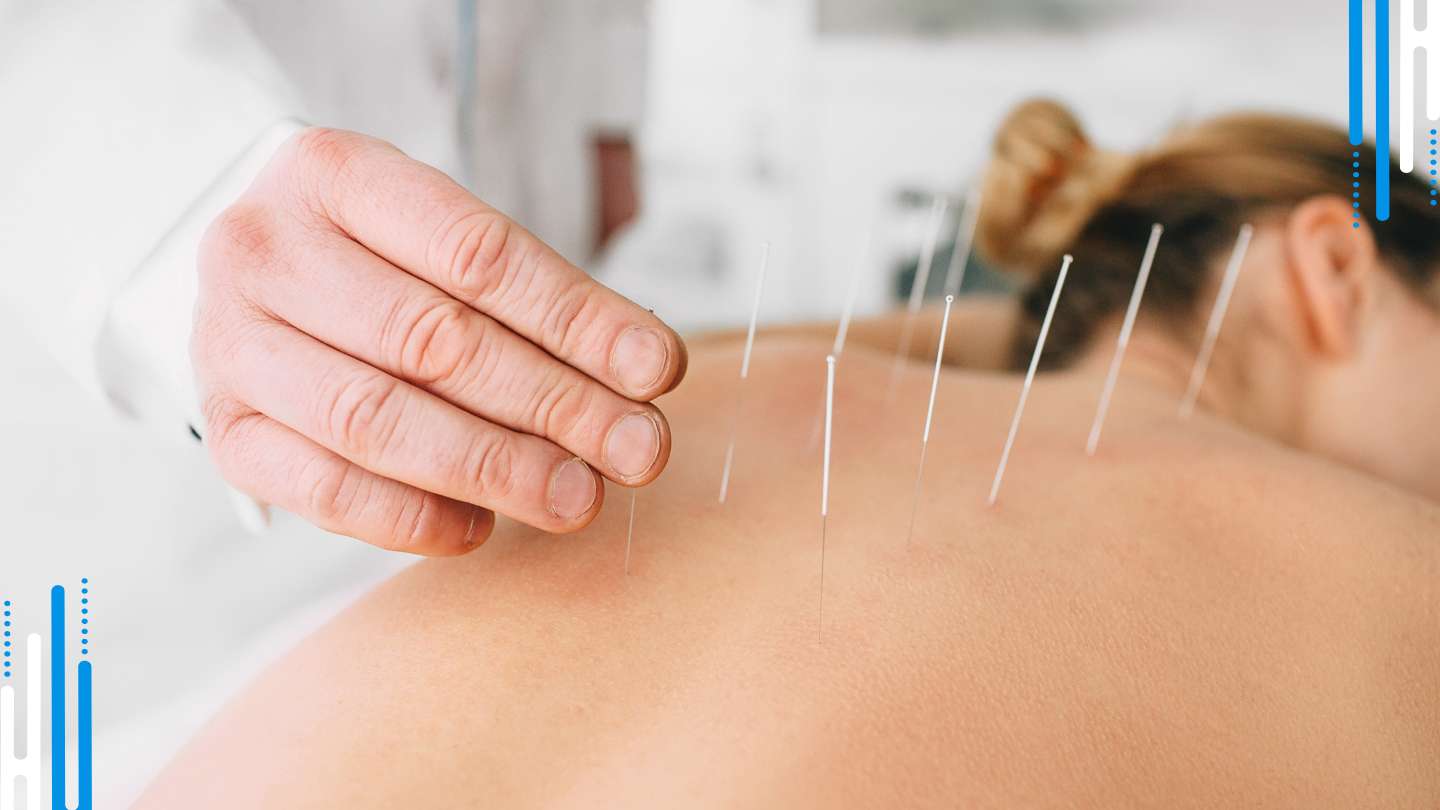
Acupuncture is an ancient practice that originated in China over 2,500 years ago. It involves the insertion of thin needles into specific points on the body to stimulate energy flow and promote healing. While acupuncture is commonly known for its effectiveness in treating pain, it has also been found to be beneficial for a wide range of conditions, including anxiety. In this article, we will explore how acupuncture can be used as a natural and holistic approach to relieve stress and anxiety.
Anxiety is a common mental health condition characterized by excessive worry, fear, and apprehension. It can manifest in various ways, such as panic attacks, social anxiety, generalized anxiety disorder, and phobias. Symptoms of anxiety may include restlessness, irritability, difficulty concentrating, muscle tension, and sleep disturbances.
Anxiety not only affects mental well-being but also has a significant impact on physical health. Chronic anxiety can lead to a weakened immune system, digestive issues, cardiovascular problems, and even chronic pain conditions. It can also exacerbate existing health conditions and make it more difficult for the body to heal itself.
According to traditional Chinese medicine theory, acupuncture works by balancing the flow of energy or Qi (pronounced “chee”) in the body. When there is an imbalance or blockage in the flow of Qi, it can lead to physical and emotional symptoms, including anxiety.
Acupuncture helps regulate the nervous system by stimulating specific points on the body that correspond to different organs and systems. By inserting needles into these points, acupuncturists can help restore balance and harmony within the body. This can have a calming effect on the mind and reduce stress and anxiety.
While traditional Chinese medicine provides a theoretical framework for understanding how acupuncture works, scientific research has also shed light on its effectiveness for anxiety relief. Numerous studies have shown that acupuncture can have a positive impact on the brain and body, leading to reduced anxiety symptoms.
One study published in the Journal of Endocrinology found that acupuncture can regulate the release of stress hormones, such as cortisol, and increase the production of endorphins, which are natural painkillers and mood enhancers. Another study published in the Journal of Alternative and Complementary Medicine found that acupuncture can activate specific brain regions involved in emotional regulation and reduce anxiety levels.
There are several benefits to using acupuncture as a complementary treatment for anxiety relief. Firstly, acupuncture is a natural and non-invasive approach that does not involve the use of medications or their potential side effects. This makes it a safe option for individuals who prefer to avoid pharmaceutical interventions.
Secondly, acupuncture is a holistic treatment that addresses the root cause of anxiety rather than just managing symptoms. By restoring balance within the body, acupuncture can help alleviate not only anxiety but also other related symptoms, such as insomnia, digestive issues, and muscle tension.
Lastly, acupuncture can be used in conjunction with other treatment methods for anxiety, such as therapy or medication. It can enhance the effectiveness of these treatments and provide additional support for individuals seeking relief from anxiety.
During an acupuncture session for anxiety, you can expect to lie down on a comfortable table while the acupuncturist inserts thin needles into specific points on your body. The needles are typically left in place for about 20-30 minutes while you relax and allow the treatment to take effect.
Some people may experience a mild sensation during needle insertion, but it is generally not painful. In fact, many people find acupuncture to be a deeply relaxing experience. After the session, you may feel calm and rejuvenated, with a sense of relief from anxiety symptoms.
To prepare for an acupuncture session, it is recommended to wear loose and comfortable clothing. It is also advisable to avoid consuming caffeine or alcohol before the session, as these substances can interfere with the treatment.
When it comes to treating anxiety, there are various approaches available, including therapy, medication, and lifestyle changes. Each approach has its own pros and cons, and the choice ultimately depends on individual preferences and needs.
Therapy, such as cognitive-behavioral therapy (CBT), can be highly effective in helping individuals manage anxiety by identifying and changing negative thought patterns. Medication, such as selective serotonin reuptake inhibitors (SSRIs), can also be beneficial in reducing anxiety symptoms. However, these approaches may not be suitable for everyone and can come with potential side effects.
Acupuncture offers a natural and holistic alternative to traditional treatment methods. It can be used alongside therapy or medication to enhance their effectiveness or as a standalone treatment for individuals who prefer a non-pharmaceutical approach. Acupuncture is generally well-tolerated and has minimal side effects when performed by a qualified practitioner.
When seeking acupuncture for anxiety relief, it is important to find a qualified and experienced acupuncturist. Here are some tips to help you find the right practitioner:
1. Research credentials: Look for acupuncturists who are licensed and certified by reputable organizations in your country or region.
2. Read reviews: Check online reviews or ask for recommendations from friends or healthcare professionals who have had positive experiences with acupuncture.
3. Schedule a consultation: Before committing to treatment, schedule a consultation with the acupuncturist to discuss your specific needs and ask any questions you may have.
4. Trust your instincts: Pay attention to how you feel during the consultation. It is important to feel comfortable and confident in the acupuncturist’s abilities.
Acupuncture can be a valuable addition to your overall wellness plan for managing anxiety. Here are some tips for incorporating acupuncture into your routine:
1. Set a regular schedule: Consistency is key when it comes to acupuncture. Try to schedule regular sessions to maintain the benefits and support your overall well-being.
2. Communicate with your healthcare team: If you are already receiving treatment for anxiety, such as therapy or medication, inform your healthcare team about your decision to incorporate acupuncture. They can provide guidance and ensure that all aspects of your treatment plan work together effectively.
3. Practice self-care: In addition to acupuncture, prioritize self-care activities that promote relaxation and stress reduction, such as exercise, meditation, and healthy eating.
4. Monitor your progress: Keep track of your anxiety symptoms and any changes you notice after starting acupuncture. This can help you assess the effectiveness of the treatment and make any necessary adjustments.
Many individuals have found relief from anxiety through acupuncture. Here are some real-life success stories:
– Sarah, a 35-year-old woman who had been struggling with panic attacks for years, decided to try acupuncture as a last resort. After a few sessions, she noticed a significant reduction in her anxiety symptoms and was able to manage her panic attacks more effectively.
– Mark, a 42-year-old man with social anxiety, had tried various medications without much success. He decided to give acupuncture a try and found that it helped him feel more relaxed in social situations and reduced his fear of judgment.
– Emily, a 28-year-old woman with generalized anxiety disorder, incorporated acupuncture into her overall wellness plan alongside therapy and medication. She found that acupuncture provided an additional layer of support and helped her feel more grounded and centered.
Acupuncture is a time-tested practice that can offer relief from anxiety in a natural and holistic way. By restoring balance within the body and regulating the nervous system, acupuncture can help reduce stress and promote overall well-being. If you are struggling with anxiety, consider incorporating acupuncture into your treatment plan as a complementary approach. Consult with a qualified acupuncturist to discuss your specific needs and embark on a journey towards greater calm and peace of mind.
If you’re looking for natural ways to reduce anxiety and stress, acupuncture may be worth considering. This ancient Chinese practice has been shown to have a positive impact on mental health by promoting relaxation and reducing tension. In fact, a recent article on benzodoc.com explores the benefits of acupuncture for stress relief and anxiety reduction. To learn more about this alternative therapy and how it can help you find relief, check out the article here.

Dr. Leeds specializes in the Ashton Method, a well-established and evidence-based protocol for tapering off benzodiazepines. Developed by the renowned Dr. Heather Ashton, the Ashton Method provides a structured and safe approach to gradually reducing benzodiazepine dosages, minimizing withdrawal symptoms, and ultimately achieving freedom from these medications.
Contact Us for expert guidance on safely tapering off benzodiazepines and reclaiming your life.