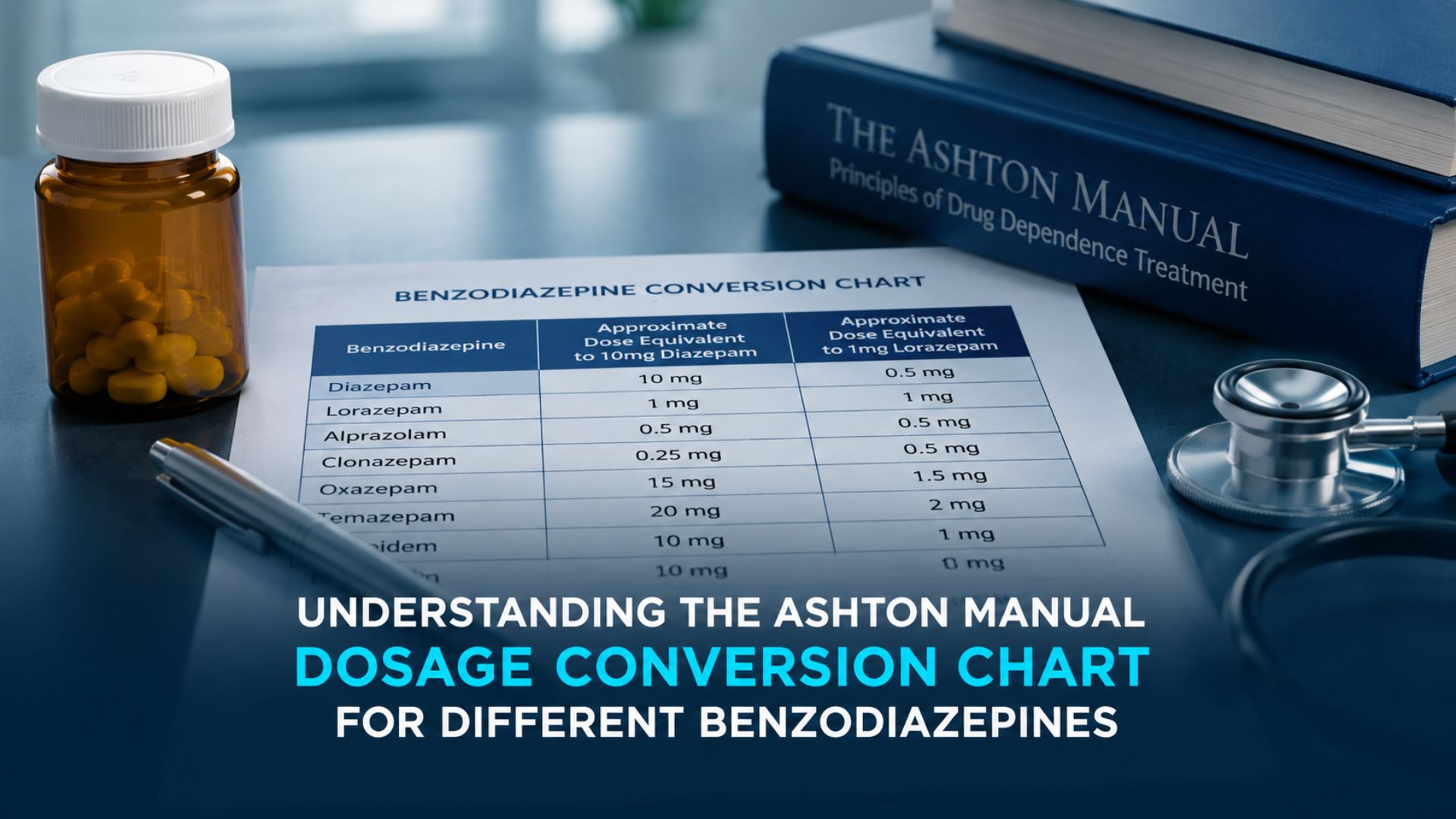
Benzodiazepines are a class of psychoactive medications that enhance the activity of gamma-aminobutyric acid (GABA), the brain’s primary inhibitory neurotransmitter. They are prescribed for anxiety disorders, insomnia, seizures, muscle spasms, and alcohol withdrawal. Common benzodiazepines include lorazepam, diazepam, alprazolam, and clonazepam.
Extended use beyond 2-4 weeks can result in physical dependence, where the brain adapts to the drug’s presence by reducing natural GABA production and altering receptor sensitivity. Benzodiazepine withdrawal occurs when the central nervous system, which has adapted to the drug’s depressant effects, becomes hyperexcitable upon discontinuation. This neuroadaptation means that stopping the medication can trigger a rebound effect, causing symptoms opposite to the drug’s therapeutic effects.
The severity and duration of withdrawal depend on multiple factors including the specific benzodiazepine used, daily dosage, duration of treatment, rate of discontinuation, individual metabolism, age, and concurrent medical conditions. Withdrawal symptoms typically emerge within 1-4 days for short-acting benzodiazepines and 1-2 weeks for long-acting formulations. The acute phase generally lasts 2-8 weeks, though some individuals may experience protracted withdrawal symptoms lasting months.
Medical supervision is strongly recommended during discontinuation, particularly for individuals who have used high doses or taken benzodiazepines for extended periods, as abrupt cessation can result in potentially life-threatening complications including seizures.
Recognizing the Symptoms of Benzodiazepine Withdrawal
Identifying the symptoms of benzodiazepine withdrawal is a critical step in managing the process effectively. Common symptoms include anxiety, insomnia, irritability, and muscle tension. These manifestations can vary in intensity and duration, making it important for individuals to monitor their experiences closely.
Some may also encounter physical symptoms such as headaches, nausea, or changes in appetite. Understanding these signs can help individuals anticipate what they might face during withdrawal. In addition to physical symptoms, emotional and psychological challenges may arise.
Feelings of depression or heightened anxiety can complicate the withdrawal experience. It is vital for individuals to recognize that these symptoms are part of the body’s adjustment process. By acknowledging these signs, individuals can better prepare themselves for the emotional rollercoaster that often accompanies withdrawal.
The Importance of Seeking Professional Help
Seeking professional help during benzodiazepine withdrawal is a crucial step toward a successful recovery. Medical professionals can provide guidance tailored to an individual’s specific situation, ensuring that the withdrawal process is as safe and comfortable as possible. They can also monitor symptoms and offer strategies to manage discomfort effectively.
This support can be invaluable, especially for those who may be experiencing severe withdrawal symptoms. In addition to medical assistance, professionals can offer therapeutic support. Counseling or therapy can help individuals address underlying issues that may have contributed to their benzodiazepine use.
This holistic approach not only aids in managing withdrawal but also lays the groundwork for long-term recovery. Engaging with professionals can empower individuals to take control of their journey and foster a sense of hope for the future.
Building a Support System for Benzodiazepine Withdrawal
Establishing a strong support system is essential during benzodiazepine withdrawal. Friends and family members can play a significant role in providing emotional support and encouragement throughout the process. Open communication with loved ones about one’s experiences can foster understanding and compassion, making it easier to navigate challenges together.
It is important for individuals to express their needs and feelings, allowing their support network to respond effectively. In addition to personal relationships, support groups can offer a sense of community and shared experience. Connecting with others who are going through similar challenges can provide comfort and motivation.
These groups often create a safe space for individuals to share their stories, learn from one another, and celebrate progress together. Building a robust support system can significantly enhance resilience during withdrawal and contribute to a more positive recovery experience.
Creating a Holistic Recovery Plan
A holistic recovery plan addresses not only the physical aspects of withdrawal but also the emotional and psychological dimensions. This comprehensive approach involves setting realistic goals and identifying strategies that promote overall well-being. Individuals should consider incorporating various elements into their recovery plan, such as therapy, lifestyle changes, and self-care practices.
By focusing on multiple facets of health, individuals can create a balanced approach that supports their journey. In developing a holistic recovery plan, it is essential to prioritize self-care activities that promote relaxation and stress relief. Engaging in hobbies, spending time in nature, or practicing creative outlets can provide valuable distractions from withdrawal symptoms.
Additionally, incorporating mindfulness practices into daily routines can enhance emotional resilience and foster a sense of calm during challenging moments.
Managing Benzodiazepine Withdrawal Symptoms
Effectively managing benzodiazepine withdrawal symptoms requires a proactive approach. Individuals should familiarize themselves with various coping strategies that can alleviate discomfort during this challenging time. Techniques such as deep breathing exercises, progressive muscle relaxation, and guided imagery can help reduce anxiety and promote relaxation.
These methods empower individuals to take an active role in their recovery while providing immediate relief from distressing symptoms. In addition to relaxation techniques, maintaining a structured daily routine can be beneficial during withdrawal. Establishing regular sleep patterns, meal times, and activities can create a sense of stability amidst the chaos of withdrawal symptoms.
This structure not only helps manage physical symptoms but also fosters a sense of accomplishment as individuals adhere to their routines.
Developing Healthy Coping Mechanisms
As individuals navigate benzodiazepine withdrawal, developing healthy coping mechanisms becomes essential for long-term success. Relying on positive strategies rather than reverting to old habits is crucial for maintaining progress. Engaging in activities that promote well-being—such as journaling, art therapy, or physical exercise—can provide constructive outlets for emotions and stress.
Additionally, learning to identify triggers that may lead to cravings or anxiety is vital in developing effective coping strategies. By recognizing these triggers, individuals can implement proactive measures to avoid or manage them effectively. This awareness fosters resilience and empowers individuals to take charge of their recovery journey.
Embracing Mindfulness and Meditation in Recovery
Mindfulness and meditation practices can play a significant role in supporting individuals during benzodiazepine withdrawal. These techniques encourage present-moment awareness and help individuals cultivate a sense of calm amidst emotional turmoil. Regular practice can enhance emotional regulation and reduce anxiety levels, making it easier to cope with withdrawal symptoms.
Incorporating mindfulness into daily routines does not require extensive time commitments; even short sessions can yield benefits. Simple practices such as mindful breathing or body scans can be integrated into everyday life, providing moments of peace throughout the day. Embracing these techniques fosters a deeper connection with oneself and promotes overall well-being during recovery.
Incorporating Exercise and Nutrition into Recovery
Physical health plays a crucial role in the recovery process from benzodiazepine withdrawal. Regular exercise has been shown to improve mood, reduce anxiety, and enhance overall well-being. Engaging in physical activity releases endorphins, which are natural mood lifters that can counteract some of the emotional challenges faced during withdrawal.
Nutrition also plays an important role in recovery. A balanced diet rich in whole foods can support physical health and provide the necessary nutrients for optimal brain function. Staying hydrated and consuming foods high in vitamins and minerals can help mitigate some withdrawal symptoms while promoting overall wellness.
Finding Purpose and Meaning in Recovery
Finding purpose during recovery from benzodiazepine withdrawal is essential for fostering motivation and resilience. Individuals should take time to reflect on their values, interests, and goals beyond their past experiences with medication. Engaging in activities that align with personal passions or exploring new interests can create a sense of fulfillment that enhances the recovery journey.
Setting meaningful goals—whether related to personal growth, career aspirations, or relationships—can provide direction during challenging times. These goals serve as reminders of what individuals are working toward and help maintain focus on the positive aspects of recovery.
Celebrating Milestones and Progress in Benzodiazepine Withdrawal
Recognizing milestones throughout the recovery process is vital for maintaining motivation and celebrating progress. Each step taken toward healing deserves acknowledgment, whether it is completing a week without medication or successfully managing withdrawal symptoms without resorting to unhealthy coping mechanisms. Celebrating these achievements reinforces positive behavior and encourages continued commitment to recovery.
Creating rituals or personal rewards for reaching milestones can enhance this celebratory process. Whether it involves treating oneself to a favorite activity or sharing accomplishments with supportive friends or family members, these moments of recognition contribute positively to an individual’s self-esteem and motivation throughout their journey toward recovery from benzodiazepine withdrawal.