

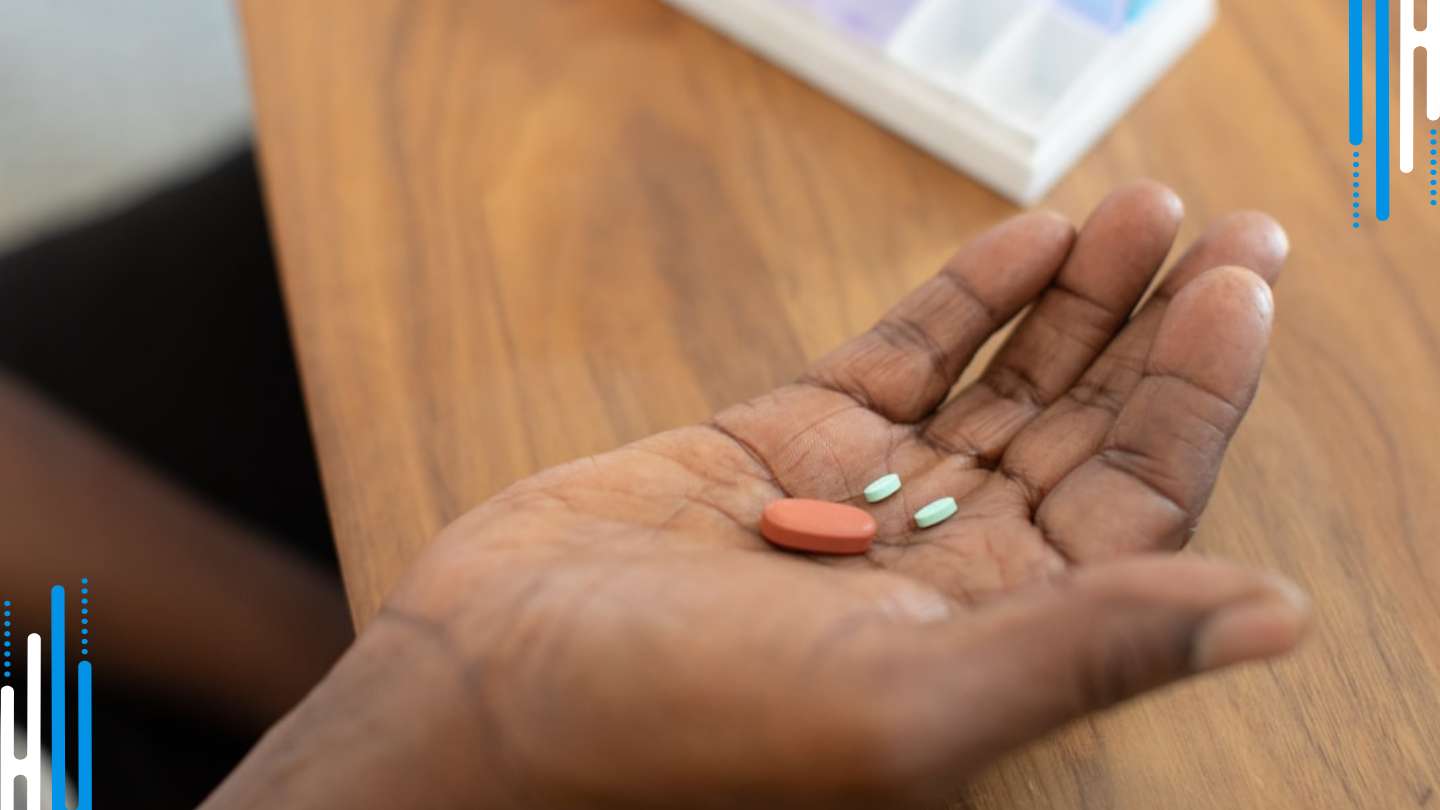
Benzodiazepines, commonly known as benzos, are a class of medications that are prescribed to treat anxiety, insomnia, and other related conditions. They work by enhancing the effects of a neurotransmitter called gamma-aminobutyric acid (GABA) in the brain, which helps to calm the central nervous system. While benzos can be effective in managing these conditions, they also come with potential risks and side effects. One of the most significant concerns with benzo use is the potential for dependence and withdrawal symptoms when trying to stop taking them. This is why it is important to taper off benzos slowly and under medical supervision.
Benzo tapering refers to the process of gradually reducing the dosage of the medication over a period of time in order to minimize withdrawal symptoms and allow the body to adjust to lower levels of the drug. Abruptly stopping benzos can lead to severe withdrawal symptoms, including anxiety, insomnia, tremors, and even seizures. Tapering off benzos is important because it allows the body to slowly adjust to lower levels of the medication, reducing the severity of withdrawal symptoms.
Creating a tapering schedule is an essential part of the process. This involves working with a healthcare provider to determine the appropriate rate at which to reduce the dosage and how long each step should last. The tapering schedule will vary depending on factors such as the individual’s dosage, how long they have been taking benzos, and their overall health. It is important to follow the tapering schedule closely and not make any changes without consulting a healthcare provider.
One common side effect of long-term benzo use is weight gain. This can be attributed to several factors, including increased appetite, slowed metabolism, and changes in hormone levels. When tapering off benzos, it is not uncommon for individuals to experience weight loss. This can be due to a variety of reasons, including a decrease in appetite, increased physical activity, and improved metabolism.
Managing weight loss during benzo tapering is important to ensure that it does not become excessive or unhealthy. It is essential to maintain a balanced diet and engage in regular exercise to support overall health and well-being. It is also important to monitor weight loss closely and consult with a healthcare provider if there are any concerns.
Withdrawal symptoms can vary from person to person and can range from mild to severe. Common withdrawal symptoms include anxiety, insomnia, irritability, muscle aches, and headaches. It is important to note that these symptoms can be challenging to manage on your own, which is why seeking medical advice is crucial.
There are several strategies that can help manage withdrawal symptoms during the tapering process. These include practicing relaxation techniques such as deep breathing exercises or meditation, engaging in regular physical activity to release endorphins and reduce anxiety, getting enough sleep, and maintaining a healthy diet. It is also important to stay hydrated and avoid caffeine and other stimulants that can exacerbate withdrawal symptoms.
Read More: The Role of Meditation in Managing Benzodiazepine Withdrawal Symptoms
Maintaining a healthy diet and engaging in regular exercise are crucial during the benzo tapering process. A healthy diet can help support overall health and well-being, while regular exercise can help reduce anxiety, improve sleep quality, and boost mood.
It is important to focus on consuming nutrient-dense foods that provide essential vitamins and minerals. This includes fruits, vegetables, whole grains, lean proteins, and healthy fats. Avoiding processed foods, sugary snacks, and excessive caffeine can also help support overall health.
Incorporating regular exercise into your routine can have numerous benefits during the tapering process. Exercise releases endorphins, which are natural mood boosters, and can help reduce anxiety and improve sleep quality. Engaging in activities such as walking, jogging, yoga, or swimming can be beneficial. It is important to start slowly and gradually increase the intensity and duration of exercise as tolerated.
In addition to traditional medical approaches, there are also alternative therapies that can help provide relief during the benzo tapering process. These therapies can be used in conjunction with medical treatment and should be discussed with a healthcare provider.
Some examples of alternative therapies that may be beneficial include acupuncture, massage therapy, herbal supplements, and mindfulness practices such as meditation or yoga. These therapies can help reduce anxiety, promote relaxation, and support overall well-being. It is important to note that not all alternative therapies are supported by scientific evidence, so it is crucial to discuss them with a healthcare provider before incorporating them into your tapering plan.
Read More: The Role of Therapy in Benzodiazepine Withdrawal Recovery
Having a strong support system in place during the benzo tapering process is crucial for success. Withdrawal symptoms can be challenging to manage on your own, and having the support of friends, family, or a support group can make a significant difference.
A support system can provide emotional support, encouragement, and accountability. They can also help you stay motivated and provide assistance when needed. It is important to communicate your needs and concerns with your support system and let them know how they can best support you during this time.
Emotional and psychological withdrawal symptoms are common during the benzo tapering process. These symptoms can include increased anxiety, depression, mood swings, irritability, and difficulty concentrating. It is important to develop coping strategies to manage these symptoms effectively.
One effective coping strategy is to practice relaxation techniques such as deep breathing exercises, progressive muscle relaxation, or meditation. These techniques can help reduce anxiety and promote a sense of calm. Engaging in activities that bring joy and relaxation, such as listening to music, reading, or spending time in nature, can also be beneficial.
If emotional and psychological symptoms become overwhelming or interfere with daily functioning, it is important to seek professional help. A mental health professional can provide support, guidance, and potentially recommend additional treatment options if needed.
Read More: The Emotional Rollercoaster of Benzodiazepine Withdrawal
Slow and steady benzo tapering has several benefits compared to rapid tapering. Gradually reducing the dosage allows the body to adjust to lower levels of the medication, minimizing withdrawal symptoms. It also reduces the risk of severe withdrawal symptoms such as seizures.
Following a tapering schedule is important to ensure a safe and successful taper. Making changes to the schedule without consulting a healthcare provider can lead to complications and setbacks. It is important to communicate any concerns or difficulties with your healthcare provider so that adjustments can be made if necessary.
Maintaining a healthy lifestyle after benzo tapering is crucial for long-term health and well-being. This includes continuing to eat a balanced diet, engaging in regular exercise, getting enough sleep, managing stress levels, and seeking support when needed.
It is important to continue regular check-ins with a healthcare provider to monitor overall health and address any concerns that may arise. They can provide guidance on maintaining a healthy lifestyle and offer support if any symptoms or issues related to benzo use persist.
Read More: Hitting Zero: A Catalyst for Profound Self-Discovery After Benzo Tapering is Complete
Seeking professional help during the benzo tapering process is essential for a safe and successful taper. Healthcare providers such as doctors, psychiatrists, or addiction specialists can provide guidance, monitor progress, and make adjustments to the tapering schedule as needed.
It is important to reach out to a healthcare provider who has experience in benzo tapering and withdrawal. They can provide the necessary support and resources to help navigate the process. Online resources and support groups can also be helpful in finding professional help and connecting with others who have gone through similar experiences.
Tapering off benzodiazepines is an important process that should be done under medical supervision. It is crucial to follow a tapering schedule and seek professional help to ensure a safe and successful taper. Managing withdrawal symptoms, maintaining a healthy lifestyle, and having a strong support system in place are all essential components of the tapering process. Remember, you are not alone in this journey, and seeking help and support is key to a successful benzo tapering and withdrawal experience. For individuals seeking a benzo taper in Fort Lauderdale, working with knowledgeable professionals can significantly improve safety and outcomes. Contact us today to learn more about the benzo taper in Fort Lauderdale.
If you’re looking for information on benzodiazepine tapering and withdrawal, you may find this article on safely tapering off oxazepam helpful. It provides a comprehensive guide to managing benzodiazepine withdrawal and offers tips and strategies for a smooth transition. Additionally, if you’re interested in learning about another benzodiazepine tapering method, this article on safely tapering off chlordiazepoxide is worth checking out. It offers valuable insights and guidance for those going through the withdrawal process. Lastly, if you’re specifically interested in clonazepam and its effects on weight loss during withdrawal, this article on safe and effective tranxene taper provides useful tips and strategies to ensure a successful withdrawal journey.

Mark Leeds, D.O. is an osteopathic physician and deprescribing specialist in Fort Lauderdale, Florida. He helps patients come off benzodiazepines and sleeping pills with a slow, patient-directed taper guided by the Ashton Manual and the Maudsley Deprescribing Guidelines. Physical dependence is not addiction, and a careful taper is measured in months, not days.
Contact Us for expert guidance on safely tapering off benzodiazepines and reclaiming your life.