
Benzodiazepines are a class of medications commonly prescribed for the treatment of anxiety, insomnia, and other related conditions. They work by enhancing the effects of a neurotransmitter called gamma-aminobutyric acid (GABA) in the brain, which helps to reduce anxiety and promote relaxation. While benzodiazepines can be effective in managing these symptoms, they also carry the risk of dependence and withdrawal symptoms when used for an extended period.
Benzodiazepine tapering and withdrawal is the process of gradually reducing the dosage of benzodiazepines and eventually discontinuing their use. This process is necessary to minimize the risk of withdrawal symptoms, which can range from mild discomfort to severe and potentially life-threatening complications. Tapering off benzodiazepines should always be done under the guidance of a healthcare professional to ensure safety and minimize the risk of withdrawal symptoms.
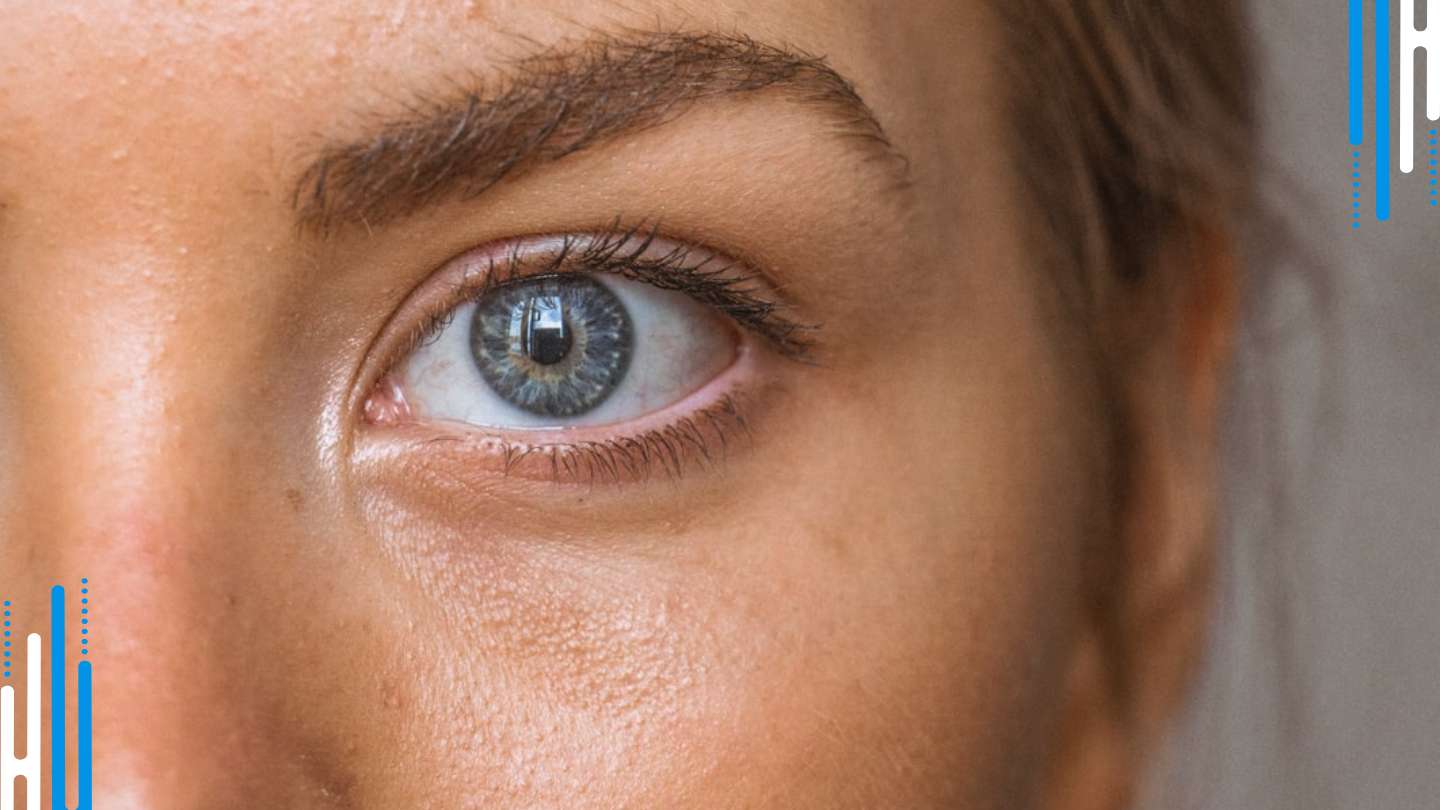
While benzodiazepines are primarily known for their effects on the central nervous system, there is growing evidence suggesting a link between benzodiazepine use and eye problems. Several studies have reported an increased risk of eye disorders among long-term benzodiazepine users, including cataracts, glaucoma, and dry eye syndrome.
Monitoring eye health during benzodiazepine use and withdrawal is crucial to detect any potential problems early on. Regular eye examinations can help identify any changes or abnormalities in the eyes that may be related to benzodiazepine use. It is important for healthcare professionals to be aware of this potential connection and include eye health assessments as part of the overall care plan for individuals undergoing benzodiazepine tapering and withdrawal.
1. Cataracts: Cataracts are a common eye condition characterized by clouding of the lens, leading to blurred vision and decreased visual acuity. Long-term benzodiazepine use has been associated with an increased risk of developing cataracts. The exact mechanism behind this association is not fully understood, but it is believed that benzodiazepines may interfere with the normal metabolism of the lens, leading to the formation of cataracts.
2. Glaucoma: Glaucoma is a group of eye conditions that damage the optic nerve, often due to increased pressure within the eye. Benzodiazepines have been found to increase intraocular pressure, which can contribute to the development or progression of glaucoma. Individuals with a history of glaucoma or those at risk for developing glaucoma should be closely monitored during benzodiazepine use and withdrawal.
3. Dry Eye Syndrome: Dry eye syndrome is a condition characterized by insufficient tear production or poor tear quality, leading to dryness, irritation, and discomfort in the eyes. Benzodiazepines can affect tear production and quality, potentially contributing to the development or worsening of dry eye syndrome. Symptoms of dry eye syndrome during benzodiazepine use may include redness, burning sensation, and excessive tearing.
The exact mechanisms by which benzodiazepines can damage the eyes are not fully understood. However, several theories have been proposed to explain this association.
One theory suggests that benzodiazepines may interfere with the normal metabolism of the lens, leading to the formation of cataracts. The lens relies on a delicate balance of nutrients and antioxidants to maintain its transparency and function properly. Benzodiazepines may disrupt this balance, causing oxidative stress and damage to the lens cells.
Another theory suggests that benzodiazepines may increase intraocular pressure, which can contribute to the development or progression of glaucoma. Increased intraocular pressure can damage the optic nerve and lead to vision loss if left untreated.
Additionally, benzodiazepines can affect tear production and quality, potentially contributing to the development or worsening of dry eye syndrome. Tear production is regulated by a complex interplay of nerves and glands in the eyes, and benzodiazepines may disrupt this delicate balance, leading to dryness and discomfort.
Early detection and diagnosis of eye problems during benzodiazepine use and withdrawal are crucial for several reasons. Firstly, prompt identification of eye problems allows for timely intervention and treatment, which can help prevent further damage and preserve vision. Secondly, early detection can help healthcare professionals make informed decisions regarding the continuation or modification of benzodiazepine treatment. Lastly, early diagnosis allows individuals to take proactive steps to protect their eye health and manage any symptoms or complications that may arise.
Untreated eye problems can have significant consequences on an individual’s quality of life. Vision loss or impairment can impact daily activities such as reading, driving, and even social interactions. It can also lead to increased dependence on others for assistance and a reduced overall sense of well-being. Therefore, it is essential to prioritize eye health during benzodiazepine tapering and withdrawal to minimize the risk of long-term complications.
Several factors can affect eye health during benzodiazepine withdrawal. These factors include the duration and dosage of benzodiazepine use, individual susceptibility to eye problems, pre-existing eye conditions, and overall health status.
Long-term benzodiazepine use is associated with a higher risk of developing eye problems compared to short-term use. The longer an individual has been using benzodiazepines, the greater the likelihood of experiencing eye-related complications. Similarly, higher dosages of benzodiazepines may increase the risk of eye problems.
Individual susceptibility to eye problems can vary, with some individuals being more prone to developing certain conditions than others. Factors such as age, genetics, and lifestyle choices can influence an individual’s susceptibility to eye problems during benzodiazepine withdrawal.
Pre-existing eye conditions, such as cataracts or glaucoma, can be exacerbated by benzodiazepine use and withdrawal. Individuals with a history of eye problems should be closely monitored and may require additional interventions or treatments to manage their eye health during benzodiazepine tapering.
Overall health status can also impact eye health during benzodiazepine withdrawal. Chronic health conditions, such as diabetes or autoimmune disorders, can increase the risk of developing eye problems. It is important for healthcare professionals to consider these factors when developing a comprehensive care plan for individuals undergoing benzodiazepine tapering and withdrawal.
Nutrition and lifestyle changes can play a significant role in promoting eye health during benzodiazepine withdrawal. A balanced diet rich in antioxidants, vitamins, and minerals is essential for maintaining healthy eyes. Foods such as leafy greens, citrus fruits, nuts, and fish are known to support eye health due to their high content of nutrients like vitamin C, vitamin E, zinc, and omega-3 fatty acids.
In addition to a healthy diet, lifestyle changes such as regular exercise and adequate sleep can also support eye health. Exercise improves blood circulation and oxygen delivery to the eyes, while sleep allows for proper rest and repair of the eyes. Avoiding smoking and excessive alcohol consumption is also important, as these habits can contribute to the development or progression of eye problems.
Proper eye hygiene is another crucial aspect of maintaining eye health during benzodiazepine withdrawal. This includes regular eye washing, avoiding rubbing or touching the eyes excessively, and using protective eyewear when necessary. It is also important to follow any specific recommendations or guidelines provided by healthcare professionals regarding eye care during benzodiazepine tapering and withdrawal.
In addition to traditional medical interventions, several alternative therapies can be used to manage eye symptoms during benzodiazepine withdrawal. These therapies aim to provide relief from discomfort, reduce inflammation, and support overall eye health.
1. Warm Compresses: Applying warm compresses to the eyes can help relieve dryness, redness, and irritation. The warmth helps to stimulate tear production and improve the flow of oil from the glands in the eyelids.
2. Artificial Tears: Artificial tears are over-the-counter eye drops that can help lubricate the eyes and relieve dryness. They can be used as needed throughout the day to provide temporary relief from dry eye symptoms.
3. Omega-3 Fatty Acids: Omega-3 fatty acids have been shown to have anti-inflammatory properties and may help reduce inflammation in the eyes. They can be obtained through dietary sources such as fish or taken as supplements.
4. Herbal Remedies: Certain herbal remedies, such as chamomile or calendula, have soothing properties and can be used as eye washes or compresses to relieve eye discomfort. However, it is important to consult with a healthcare professional before using any herbal remedies, as they may interact with medications or have potential side effects.
It is important to note that while these alternative therapies may provide relief from symptoms, they should not replace medical advice or treatment. It is always recommended to consult with a healthcare professional before starting any new therapies or making changes to your treatment plan.
Minimizing eye strain and protecting eye health during benzodiazepine tapering is essential to support overall eye health. Here are some practical tips to consider:
1. Take Regular Breaks: If you spend long periods of time looking at a screen or performing close-up tasks, such as reading or writing, it is important to take regular breaks. Follow the 20-20-20 rule, which suggests looking away from the screen every 20 minutes and focusing on an object at least 20 feet away for 20 seconds.
2. Adjust Lighting: Ensure that the lighting in your environment is adequate for the task at hand. Avoid excessive glare or harsh lighting, as this can strain the eyes. Use task lighting or adjustable lamps to provide focused lighting when needed.
3. Use Proper Eyewear: If you wear glasses or contact lenses, make sure they are up-to-date and properly fitted. Wearing the correct prescription can help reduce eye strain and improve visual clarity.
4. Practice Good Eye Hygiene: Wash your hands before touching your eyes and avoid rubbing or touching them excessively. If you experience dryness or irritation, use artificial tears as directed by a healthcare professional.
5. Maintain a Healthy Lifestyle: Eat a balanced diet, exercise regularly, and get enough sleep to support overall eye health. Avoid smoking and excessive alcohol consumption, as these habits can contribute to eye problems.
6. Protect Your Eyes: Wear protective eyewear when engaging in activities that may pose a risk to your eyes, such as sports or working with hazardous materials. Sunglasses with UV protection are also important to shield your eyes from harmful UV rays.
In conclusion, monitoring and supporting eye health during benzodiazepine tapering and withdrawal is crucial to minimize the risk of eye problems and preserve vision. Benzodiazepines have been associated with an increased risk of eye disorders such as cataracts, glaucoma, and dry eye syndrome. Early detection and diagnosis of eye problems are essential for timely intervention and treatment.
Factors such as the duration and dosage of benzodiazepine use, individual susceptibility to eye problems, pre-existing eye conditions, and overall health status can impact eye health during benzodiazepine withdrawal. Nutrition and lifestyle changes, as well as alternative therapies, can play a role in promoting eye health and managing symptoms.
Comprehensive care that includes regular eye examinations, monitoring of eye health, and appropriate interventions is necessary to ensure the well-being of individuals undergoing benzodiazepine tapering and withdrawal. By prioritizing eye health, healthcare professionals can help minimize the risk of long-term complications and support overall recovery.
If you’re looking for information on benzodiazepine tapering and withdrawal, you may find this article on safely tapering off Ativan helpful. It provides a comprehensive guide to managing anxiety medication withdrawal and offers valuable insights into the process. Additionally, if you’re interested in a safe and effective tapering method for Remeron, this step-by-step guide is worth checking out. Both articles offer practical advice and strategies for successfully navigating the challenges of benzodiazepine withdrawal. For more information on fitness trainer services, you can also explore this link.

Mark Leeds, D.O. is an osteopathic physician and deprescribing specialist in Fort Lauderdale, Florida. He helps patients come off benzodiazepines and sleeping pills with a slow, patient-directed taper guided by the Ashton Manual and the Maudsley Deprescribing Guidelines. Physical dependence is not addiction, and a careful taper is measured in months, not days.
Contact Us for expert guidance on safely tapering off benzodiazepines and reclaiming your life.