

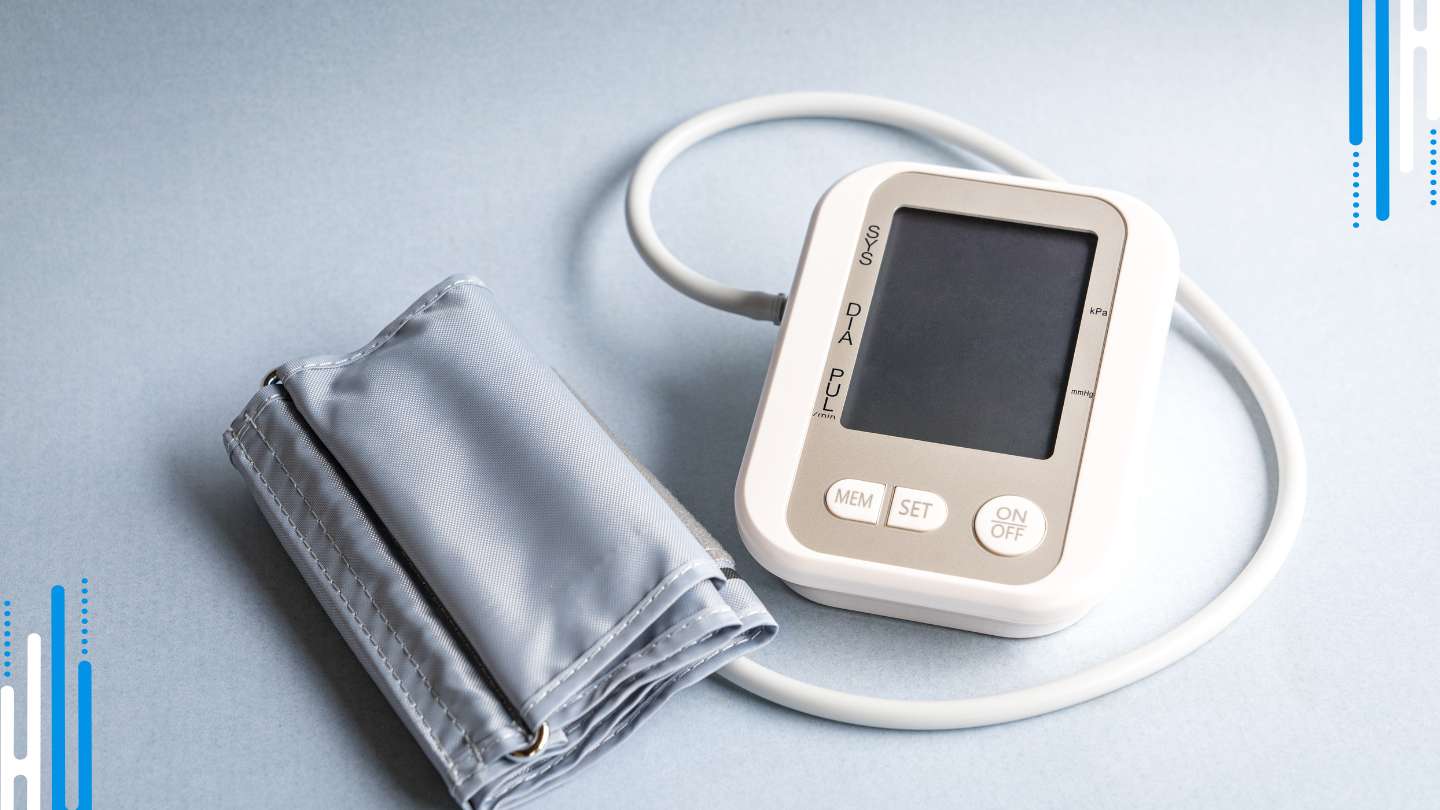
Yes. Benzodiazepine withdrawal can raise blood pressure and speed up the pulse, and the benzodiazepine labels revised after the 2020 boxed-warning update from the United States Food and Drug Administration (FDA) say so in plain words. Their list of acute withdrawal signs and symptoms includes hypertension and tachycardia, the medical terms for high blood pressure and a fast heart rate, beside tremor, insomnia, panic attacks, and muscle stiffness.
The Ashton Manual, written by Professor C. Heather Ashton and published at benzo.org.uk, describes the same thing from the patient’s side. Chapter III, in its section on the heart and lungs, lists palpitations, a pounding heart, a rapid pulse, flushing, and sweating as usual companions of panic attacks that can also arrive on their own, and says plainly that they do not signify heart disease. They are the expression of an overactive autonomic nervous system.
So, a person who sees higher numbers on a home cuff during a taper is not imagining it, and is probably not developing a new disease. The numbers are a withdrawal symptom, and the remedy is a slower taper.
Benzodiazepines work by strengthening the effect of gamma-aminobutyric acid (GABA), the brain’s main calming chemical messenger. With daily use over weeks and months, the body adapts to the extra calming signal, and the receptors that respond to GABA become less responsive. This adaptation is physical dependence, and it happens to people who took the medication exactly as prescribed.
Physical dependence is not addiction. A person with dependence is not chasing a high. Their nervous system has rebuilt itself around the drug and needs time to rebuild itself without it, the same line the FDA label update draws between dependence and taking a drug to get high.
Think of a benzodiazepine as a foot on the brake of the nervous system. Over months the body compensates by pressing harder on the accelerator, so the car travels at normal speed with the brake still down. Lift the foot off the brake suddenly and the car lurches forward, which is what Chapter III of the Ashton Manual calls rebound overactivity: the excitatory systems the drug had damped down go into overdrive.
The sympathetic nervous system, the branch that readies the body for action, is one of those systems. When it fires too hard, the heart beats faster, blood vessels tighten, the skin flushes and sweats, and blood pressure climbs. Anxiety and broken sleep, withdrawal symptoms in their own right, add to the same effect.
It can. When tolerance sets in, a steady dose no longer produces the calming effect it once did, and withdrawal symptoms can appear even though the person takes the medication every day. This is often called tolerance withdrawal, and Chapter I of the Ashton Manual describes it. Blood pressure and pulse can rise with it just as they do after a reduction, because the mechanism is the same.
Short-acting benzodiazepines add a second pattern. A drug that wears off within hours can leave the nervous system in mild withdrawal before the next dose is due, so a reading taken late in the dosing interval can run higher than one taken an hour after a dose. Z-drugs, the sleeping medications that act on the same GABA receptors, can produce the same picture, and Dr. Leeds tapers them by the same principles.
The size of the rebound tracks the speed of the removal. The 2020 label update warns that abrupt discontinuation or rapid dosage reduction can bring on acute withdrawal reactions, seizures among them, and it states that no standard tapering schedule suits every patient. Chapter II of the Ashton Manual says the same: abrupt or over-rapid withdrawal, especially from a high dose, can produce severe symptoms, and there is no need to hurry.
A seizure is a medical emergency. Anyone who has a seizure, or who sees one happen, should call emergency services at once.
Unfortunately, the sharpest rises belong to people whose dose was cut fast, stopped on a fixed short timeline, or stopped by a prescriber who would not refill it. Fortunately, the reverse is also true. When the dose comes down slowly enough for the nervous system to keep up, the surge is smaller and the readings tend to stay near the person’s usual.
When blood pressure and pulse climb during a taper, the first question is not which new medication to add. It is whether the last reduction was too large or too soon. Chapter II of the Ashton Manual tells a reader in trouble to stop at the current dose for a few weeks if necessary and to try not to go back up, and Professor Ashton’s rule was that the patient must be in control of the pace.
A hold is not a setback. The taper resumes when the readings and the other symptoms settle, at a smaller step if the last one proved too big, and patients direct the pace, with the physician advising a slower one when the body says so.
The Maudsley Deprescribing Guidelines add the shape of the reductions. Because a benzodiazepine’s effect on its receptors is not proportional to the dose, the last milligrams matter far more than the first, so reductions shrink as the dose falls. Each step removes a similar fraction of what remains, and the steps near the end can be very small.
Whether a blood-pressure medication also belongs in the plan is an individual decision, made between the patient and the prescriber after the taper speed has been addressed, not a standard part of withdrawal care. The numbers of any taper belong to that same conversation, and an article can offer only the shape: slow, patient-directed, and adjusted to the person.
A person whose blood pressure was normal before the taper, and whose readings rise after each cut, has a withdrawal symptom. The general advice for long-term hypertension does not answer it, because the cause is a nervous system catching up with a change in dose. As the taper slows and the body adapts, the readings tend to settle on their own.
A person who already had high blood pressure before the taper is in a different position, and their prescriber needs to know a taper is starting, so a withdrawal rise is not mistaken for a failure of their usual treatment. Either way, a rise that follows each reduction and eases during a hold points to withdrawal.
A home cuff is useful when used the same way each time. Take readings seated, after five quiet minutes, with the arm supported, at the same times each day, and record the reading, the time, and the time of the last dose. A reading taken in the middle of a panic attack measures the panic, so wait for the wave to pass and measure again.
Call the prescriber, without waiting for the next visit, when readings stay above the person’s usual for several days, when the pulse stays fast at rest, or when the rise came right after a reduction. That call is not a failure. It is the information the prescriber needs to slow the taper or add a hold.
Call 911 or go to the nearest emergency department if any of these occurs:
Anyone having thoughts of suicide can call or text 988, the Suicide and Crisis Lifeline, at any hour.
Dr. Leeds is an osteopathic physician and deprescribing specialist in Fort Lauderdale, Florida, and his practice offers medically supervised benzodiazepine tapering to patients throughout Florida. A taper in his practice is measured in months, sometimes longer, and adapted to the person rather than to a calendar. When the crossover taper to diazepam described in the Ashton Manual helps, because diazepam’s long half-life smooths the fall in blood level and allows very small steps, he uses it, and when it does not help, he does not.
Rising blood pressure during a taper is treated as information about pace. The step gets smaller or the dose holds, and the patient keeps the right to slow down, pause, or decline any change, because informed consent in his practice starts with the risks, includes the alternatives, and ends with an exit plan the patient controls.
Blood pressure that rises during a benzodiazepine taper is a nervous system asking for more time, and the answer, almost always, is to give it that time with a physician who expects the symptom. Anyone in Florida who is tapering, or wants to start, and sees this pattern can talk it through with Dr. Leeds’ practice. Contact Dr. Leeds to ask about a supervised taper.
This article is educational. It is not medical advice, and reading it does not create a doctor-patient relationship. Decisions about starting, continuing, or tapering any medication should be made with your own physician.

Mark Leeds, D.O. is an osteopathic physician and deprescribing specialist in Fort Lauderdale, Florida. He helps patients come off benzodiazepines and sleeping pills with a slow, patient-directed taper guided by the Ashton Manual and the Maudsley Deprescribing Guidelines. Physical dependence is not addiction, and a careful taper is measured in months, not days.
Contact Us for expert guidance on safely tapering off benzodiazepines and reclaiming your life.