

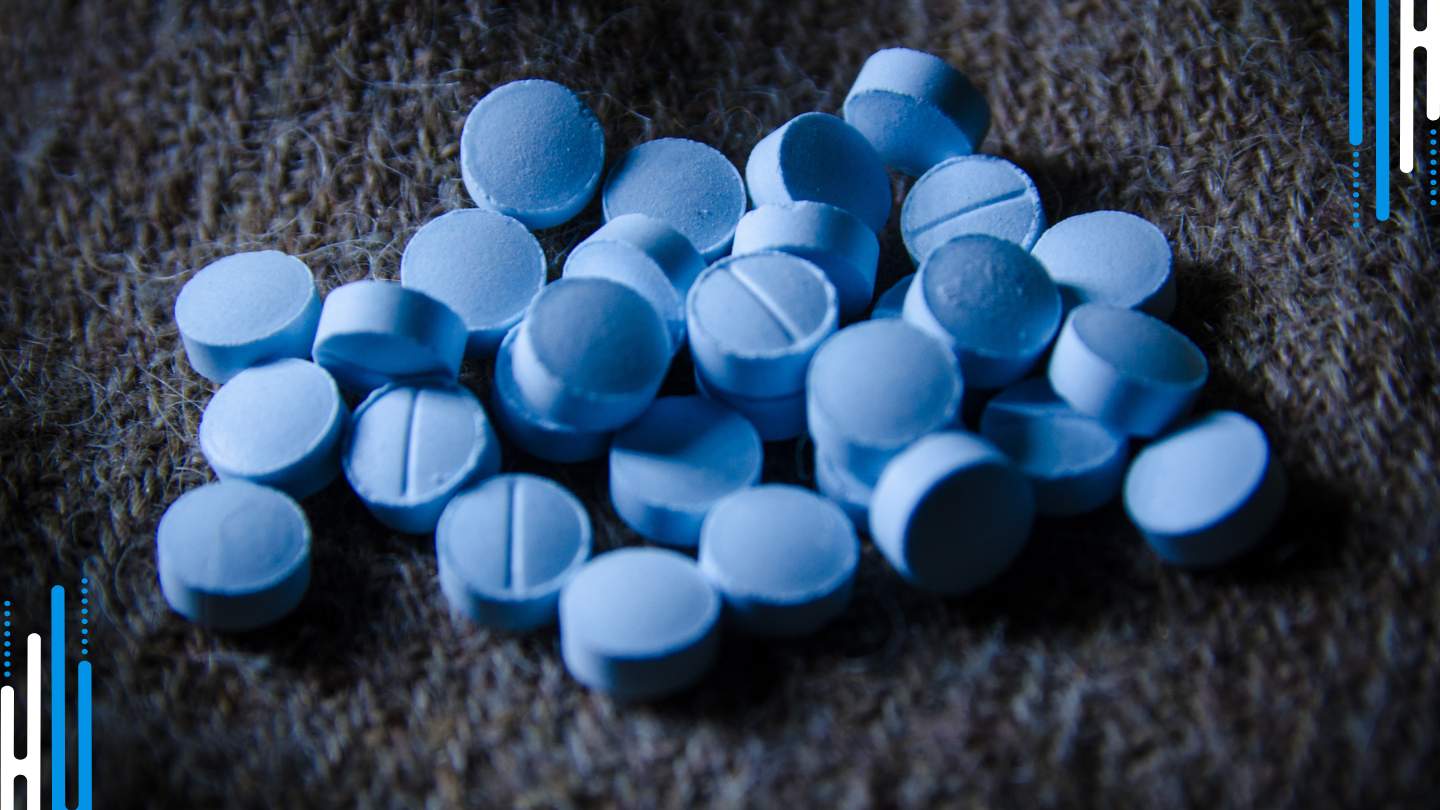
Benzodiazepine withdrawal is a challenging process that many individuals face when trying to discontinue the use of these medications. Benzodiazepines are a class of drugs commonly prescribed for anxiety, insomnia, and other mental health conditions. However, they can be highly addictive and can lead to dependence if used for an extended period of time. When individuals decide to stop taking benzodiazepines, they often experience a range of withdrawal symptoms that can be both physically and mentally distressing.
Social media has become an integral part of our lives, providing us with a platform to connect with others, share our experiences, and seek support. In recent years, social media has also played a significant role in the benzodiazepine withdrawal community. Many individuals going through withdrawal have turned to social media platforms such as Facebook groups, Reddit forums, and Twitter hashtags to find support, share their stories, and seek advice from others who have gone through or are currently going through the same experience.
While social media can provide a sense of community and support for individuals going through benzodiazepine withdrawal, it is important to acknowledge the potential negative effects it can have on mental health. Research has shown that excessive use of social media can contribute to feelings of loneliness, depression, anxiety, and low self-esteem. The constant comparison to others’ highlight reels and the pressure to present oneself in a certain way can lead to feelings of inadequacy and negatively impact mental well-being.
Studies have also found a correlation between social media use and poor sleep quality. The blue light emitted by screens can disrupt the production of melatonin, a hormone that regulates sleep-wake cycles. Additionally, the constant exposure to stimulating content on social media can make it difficult for individuals to wind down and relax before bed, leading to sleep disturbances.
Benzodiazepine withdrawal can be a challenging process due to the range of symptoms individuals may experience. Common withdrawal symptoms include anxiety, insomnia, irritability, muscle tension, headaches, and difficulty concentrating. These symptoms can be both physically and mentally distressing, making it difficult for individuals to function in their daily lives.
One of the challenges of managing benzodiazepine withdrawal is the lack of understanding and support from healthcare professionals. Many individuals report feeling dismissed or misunderstood by their doctors when discussing their withdrawal symptoms. This can lead to feelings of frustration and isolation, making it even more important for individuals to seek support from others who have gone through or are currently going through benzodiazepine withdrawal.
Social media can play a dual role in benzodiazepine withdrawal, both helpful and harmful. On one hand, social media platforms provide a space for individuals to connect with others who are going through similar experiences. Support groups on Facebook, forums on Reddit, and hashtags on Twitter allow individuals to share their stories, seek advice, and find comfort in knowing they are not alone.
These online communities can provide a sense of validation and understanding that may be lacking in offline interactions. Individuals can find solace in knowing that others have experienced similar symptoms and challenges during benzodiazepine withdrawal. They can also gain valuable insights and coping strategies from those who have successfully navigated the withdrawal process.
However, it is important to recognize the potential pitfalls of relying solely on social media for support during benzodiazepine withdrawal. Social media platforms can sometimes perpetuate misinformation or unverified advice, which can be harmful to individuals seeking accurate information about their withdrawal process. It is crucial to approach online communities with caution and verify information with trusted healthcare professionals.
Finding and joining supportive social media communities can be a valuable resource for individuals going through benzodiazepine withdrawal. Here are some tips for building a supportive social media community:
1. Research and choose reputable groups: Look for groups or forums that are moderated by professionals or individuals with experience in benzodiazepine withdrawal. These groups are more likely to provide accurate information and support.
2. Participate actively: Engage with the community by sharing your experiences, asking questions, and offering support to others. Active participation can help you build connections and find the support you need.
3. Be mindful of your boundaries: While it is important to connect with others, it is equally important to set boundaries and prioritize your own well-being. Take breaks from social media when needed and avoid comparing your progress to others’.
4. Seek professional advice: While social media communities can provide valuable support, it is important to consult with healthcare professionals for personalized advice and guidance during benzodiazepine withdrawal.
Self-care plays a crucial role in managing benzodiazepine withdrawal symptoms and promoting overall well-being. It is important to prioritize self-care activities that promote relaxation, reduce stress, and support physical and mental health.
During benzodiazepine withdrawal, individuals may experience heightened anxiety, insomnia, and muscle tension. Engaging in activities such as deep breathing exercises, meditation, yoga, or gentle stretching can help alleviate these symptoms and promote relaxation.
Additionally, maintaining a healthy lifestyle by eating nutritious meals, staying hydrated, and engaging in regular exercise can support overall well-being during withdrawal. It is also important to establish a consistent sleep routine to promote restful sleep.
Finding a balance between social media connection and self-care is essential for individuals going through benzodiazepine withdrawal. Here are some strategies to help achieve this balance:
1. Set boundaries: Establish specific times during the day when you will engage with social media and stick to those times. Avoid mindlessly scrolling through social media when you could be engaging in self-care activities.
2. Prioritize self-care: Make self-care activities a non-negotiable part of your daily routine. Schedule time for activities that promote relaxation, reduce stress, and support your overall well-being.
3. Practice mindfulness: Be mindful of how social media makes you feel. If you notice that certain platforms or interactions are triggering negative emotions or anxiety, take a step back and reevaluate your engagement.
4. Take breaks: It is important to take breaks from social media when needed. If you find yourself feeling overwhelmed or anxious, give yourself permission to step away and focus on self-care activities that promote relaxation and well-being.
Social media can be a source of triggers for individuals going through benzodiazepine withdrawal. It is important to recognize these triggers and take steps to avoid them. Here are some tips:
1. Unfollow or mute triggering accounts: If certain accounts or individuals consistently trigger negative emotions or anxiety, consider unfollowing or muting them. Your mental health should always be a priority.
2. Limit exposure to triggering content: Be mindful of the type of content you consume on social media. If certain topics or discussions trigger negative emotions or anxiety, consider limiting your exposure to those types of content.
3. Use content filters: Many social media platforms offer content filters that allow you to control the type of content you see in your feed. Utilize these filters to avoid triggering content and create a more positive online experience.
4. Seek support from trusted sources: Instead of relying solely on social media for support, seek advice and guidance from trusted healthcare professionals or support groups that have been vetted by professionals.
While social media can provide valuable support during benzodiazepine withdrawal, it is important to seek professional help as well. Healthcare professionals can provide personalized advice, guidance, and treatment options to help individuals navigate the withdrawal process.
There are different types of professional help available for benzodiazepine withdrawal, including:
1. Medical professionals: Consult with your primary care physician or a psychiatrist who specializes in addiction medicine. They can provide guidance on tapering schedules, manage withdrawal symptoms, and offer support throughout the process.
2. Therapists or counselors: Consider seeking therapy or counseling to address any underlying mental health issues that may have contributed to benzodiazepine use. Therapy can also provide coping strategies for managing withdrawal symptoms and promote overall well-being.
3. Support groups: In addition to online support groups, consider joining in-person support groups for individuals going through benzodiazepine withdrawal. These groups provide a safe space to share experiences, seek advice, and find support from others who understand what you are going through.
As we navigate the digital age, it is important to maintain balance and connection while prioritizing self-care and mental health. Here are some tips for staying connected while also taking care of yourself:
1. Set boundaries: Establish clear boundaries around your social media use. Determine specific times when you will engage with social media and stick to those times. Avoid mindless scrolling and prioritize self-care activities instead.
2. Practice digital detoxes: Take regular breaks from social media to recharge and focus on self-care activities. Use this time to engage in activities that bring you joy, promote relaxation, and support your overall well-being.
3. Cultivate offline connections: While online communities can provide valuable support, it is important to cultivate offline connections as well. Spend time with loved ones, engage in hobbies, and participate in activities that bring you joy and fulfillment.
4. Seek professional help when needed: If you find that social media is negatively impacting your mental health or if you are struggling with benzodiazepine withdrawal, do not hesitate to seek professional help. Healthcare professionals can provide personalized guidance and support to help you navigate these challenges.
In conclusion, social media can be a valuable tool for individuals going through benzodiazepine withdrawal, providing a sense of community, support, and validation. However, it is important to approach social media with caution and prioritize self-care and mental health. By setting boundaries, recognizing and avoiding triggers, seeking professional help when needed, and maintaining a balance between online connection and self-care, individuals can navigate benzodiazepine withdrawal while staying connected in the digital age.
If you’re looking for more information on benzodiazepine withdrawal and how to navigate the process, you may find the article “Sleep Soundly Again: A Safe Guide to Tapering off Lunesta” helpful. This comprehensive guide provides valuable insights and practical tips for safely tapering off Lunesta, a commonly prescribed benzodiazepine sleep medication. It emphasizes the importance of a gradual approach and offers strategies to manage withdrawal symptoms effectively. Check out the article here to gain a better understanding of the tapering process and ensure a smoother transition towards better sleep and overall well-being.

Dr. Leeds specializes in the Ashton Method, a well-established and evidence-based protocol for tapering off benzodiazepines. Developed by the renowned Dr. Heather Ashton, the Ashton Method provides a structured and safe approach to gradually reducing benzodiazepine dosages, minimizing withdrawal symptoms, and ultimately achieving freedom from these medications.
Contact Us for expert guidance on safely tapering off benzodiazepines and reclaiming your life.