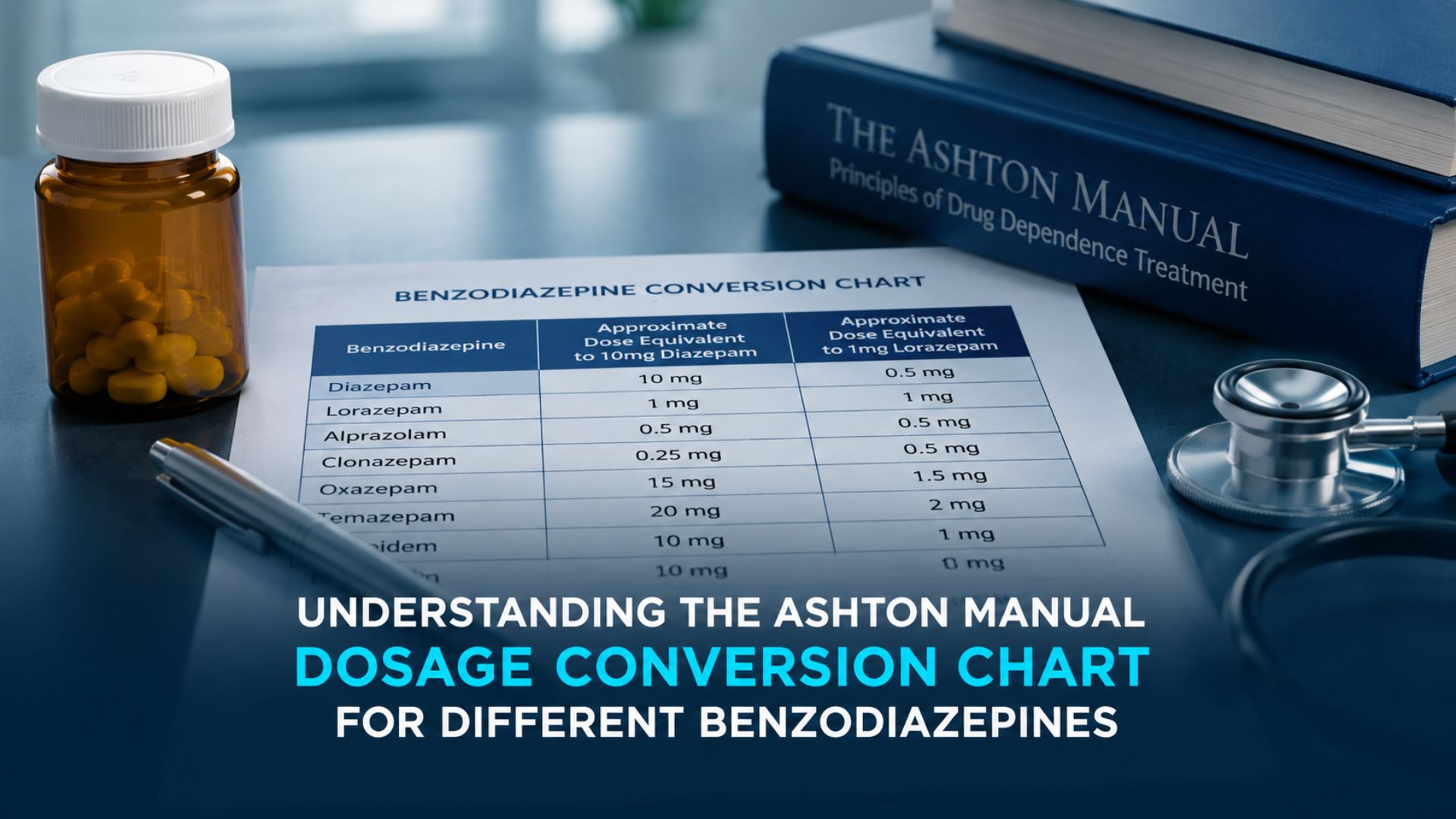
Benzodiazepines are a class of medications commonly prescribed to treat anxiety, insomnia, and other related disorders. They work by enhancing the effects of a neurotransmitter called gamma-aminobutyric acid (GABA) in the brain, which helps to produce a calming effect. This mechanism makes benzodiazepines effective for short-term relief of anxiety and sleep disturbances.
However, their use can lead to dependence, making it essential to understand both their therapeutic effects and potential risks. The effects of benzodiazepines can vary based on the specific medication, dosage, and individual response. Commonly reported effects include sedation, muscle relaxation, and reduced anxiety.
While these benefits can significantly improve quality of life for those struggling with anxiety or sleep issues, the potential for tolerance and dependence raises concerns about long-term use. As individuals continue to take these medications, they may find that higher doses are required to achieve the same effects, leading to a cycle that can be difficult to break.
Risks and Benefits of Benzodiazepine Use
The benefits of benzodiazepines are often evident in their ability to provide quick relief from anxiety and insomnia. For many individuals, these medications can be a lifeline during periods of acute stress or sleep deprivation. They can help restore a sense of normalcy and allow individuals to function more effectively in their daily lives.
However, the risks associated with benzodiazepine use cannot be overlooked. Prolonged use can lead to physical dependence, where the body becomes accustomed to the drug, resulting in withdrawal symptoms when the medication is reduced or stopped. Additionally, there is a risk of cognitive impairment with long-term benzodiazepine use.
Some individuals may experience memory issues or difficulty concentrating, which can impact their personal and professional lives. The potential for misuse is another significant concern, as some individuals may take these medications inappropriately or in combination with other substances, leading to dangerous situations. Balancing the benefits and risks is crucial for anyone considering or currently using benzodiazepines.
Importance of Benzodiazepine Dose Reduction
Reducing the dose of benzodiazepines is an important step for individuals who have been using these medications for an extended period. Gradual dose reduction can help minimize withdrawal symptoms and reduce the risk of dependence. It is essential to approach this process thoughtfully and systematically, as abrupt discontinuation can lead to significant discomfort and complications.
A well-planned dose reduction strategy allows individuals to regain control over their medication use while addressing the underlying issues that led to benzodiazepine use in the first place. This process not only promotes physical health but also encourages psychological resilience. By gradually reducing their reliance on these medications, individuals can explore alternative coping mechanisms and therapeutic options that support long-term well-being.
Working with Healthcare Professionals to Create a Dose Reduction Plan
Collaborating with healthcare professionals is vital when creating a dose reduction plan for benzodiazepines. Medical experts can provide personalized guidance based on an individual’s specific circumstances, including their medical history, current health status, and any co-occurring conditions. This collaboration ensures that the dose reduction process is safe and effective.
Healthcare professionals can also help monitor progress throughout the reduction process. Regular check-ins allow for adjustments to the plan as needed, ensuring that individuals receive the support they require during this transition. By working closely with a healthcare provider, individuals can feel more confident in their ability to reduce their benzodiazepine use while maintaining their overall health.
When considering benzodiazepine discontinuation, it is crucial to understand the difference between gradual tapering and abrupt discontinuation. Gradual tapering involves slowly reducing the dosage over time, allowing the body to adjust to lower levels of the medication. This method is generally recommended because it minimizes withdrawal symptoms and helps maintain stability during the transition.
On the other hand, abrupt discontinuation can lead to severe withdrawal symptoms and increased anxiety or insomnia. Individuals who stop taking benzodiazepines suddenly may experience heightened discomfort and a return of the very symptoms they sought to alleviate. Therefore, gradual tapering is often viewed as the safer and more effective approach for those looking to discontinue benzodiazepine use.
Managing Withdrawal Symptoms During Dose Reduction
Managing withdrawal symptoms during dose reduction is an essential aspect of the process. As individuals reduce their benzodiazepine intake, they may experience various symptoms such as anxiety, irritability, or sleep disturbances. Being prepared for these potential challenges can help individuals navigate this period more effectively.
Developing a plan for managing withdrawal symptoms can include various strategies such as relaxation techniques, mindfulness practices, or engaging in physical activity. These methods can help alleviate discomfort and promote emotional well-being during this transition. Additionally, maintaining open communication with healthcare professionals can provide valuable support and resources for managing any difficulties that arise.
Developing Coping Strategies for Anxiety and Insomnia Without Benzodiazepines
As individuals work towards reducing their benzodiazepine use, it is essential to develop alternative coping strategies for managing anxiety and insomnia. These strategies may include cognitive-behavioral techniques, mindfulness practices, or lifestyle changes that promote relaxation and emotional balance. Cognitive-behavioral therapy (CBT) is one effective approach that helps individuals identify negative thought patterns and develop healthier responses to stressors.
Mindfulness practices such as meditation or deep breathing exercises can also be beneficial in promoting relaxation and reducing anxiety levels. By incorporating these strategies into daily routines, individuals can build resilience and improve their ability to cope without relying on benzodiazepines.
Incorporating Lifestyle Changes to Support Dose Reduction
Incorporating lifestyle changes can significantly support the process of benzodiazepine dose reduction. Simple adjustments in daily habits can enhance overall well-being and create a more conducive environment for managing anxiety and insomnia. Regular physical activity is one such change that has been shown to improve mood and reduce stress levels.
Additionally, establishing a consistent sleep routine can help regulate sleep patterns and improve sleep quality. This may involve setting a regular bedtime, creating a calming pre-sleep routine, and minimizing exposure to screens before bed. By making these lifestyle changes, individuals can create a supportive foundation that aids in their journey toward reducing benzodiazepine use.
Utilizing Behavioral Therapies and Support Groups
Behavioral therapies play a crucial role in supporting individuals during benzodiazepine dose reduction. These therapies focus on changing negative thought patterns and behaviors associated with anxiety and insomnia. Engaging in therapy can provide valuable tools for managing stressors without relying on medication.
Support groups also offer a sense of community and understanding for those going through similar experiences. Sharing challenges and successes with others who are on a similar journey can foster motivation and accountability. Whether through formal therapy sessions or informal support groups, these resources can be instrumental in helping individuals navigate their path toward a benzodiazepine-free life.
Monitoring Progress and Adjusting the Dose Reduction Plan as Needed
Monitoring progress during the dose reduction process is essential for ensuring success. Regular assessments allow individuals to evaluate how they are feeling physically and emotionally as they reduce their benzodiazepine intake. This ongoing evaluation helps identify any challenges that may arise and provides an opportunity to adjust the plan as needed.
Flexibility in the dose reduction plan is crucial; if an individual experiences significant discomfort or setbacks, it may be necessary to slow down the tapering process or make other adjustments. By remaining attentive to one’s needs and working closely with healthcare professionals, individuals can create a personalized approach that supports their unique journey toward reducing benzodiazepine use.
Celebrating Success and Maintaining a Benzodiazepine-Free Lifestyle
Celebrating milestones throughout the dose reduction process is vital for maintaining motivation and reinforcing positive changes. Acknowledging progress—whether it’s successfully reducing dosage or managing anxiety without medication—can boost confidence and encourage continued commitment to a benzodiazepine-free lifestyle. Maintaining this lifestyle requires ongoing effort and dedication.
Individuals should continue utilizing coping strategies, engaging in supportive therapies, and making healthy lifestyle choices even after achieving their goals. By fostering resilience and remaining proactive about mental health, individuals can enjoy a fulfilling life free from the constraints of benzodiazepine dependence.