Effexor, also known as venlafaxine, is a medication commonly prescribed to treat depression and anxiety disorders. It belongs to a class of drugs called serotonin-norepinephrine reuptake inhibitors (SNRIs), which work by increasing the levels of serotonin and norepinephrine in the brain. Effexor is known for its effectiveness in managing symptoms of depression and anxiety, but like any medication, it can have potential side effects and withdrawal symptoms.
When discontinuing Effexor, it is important to taper off the medication gradually to minimize the risk of withdrawal symptoms. Abruptly stopping Effexor can lead to a range of unpleasant symptoms, including dizziness, nausea, headache, irritability, and brain zaps. Tapering off the medication allows the body to adjust slowly and reduces the likelihood of experiencing these withdrawal symptoms.
Understanding Effexor and Tapering
Effexor works by inhibiting the reuptake of serotonin and norepinephrine in the brain, which increases the levels of these neurotransmitters. This helps regulate mood and alleviate symptoms of depression and anxiety. However, when someone has been taking Effexor for an extended period of time, their brain becomes accustomed to the increased levels of serotonin and norepinephrine.
Tapering off Effexor is necessary because abruptly stopping the medication can cause a sudden drop in serotonin and norepinephrine levels, leading to withdrawal symptoms. Tapering involves gradually reducing the dosage over a period of time to allow the brain to adjust slowly. This process gives the body time to adapt to the decreasing levels of medication and minimizes the risk of withdrawal symptoms.
The tapering process typically involves reducing the dosage by 10% every one to two weeks. This slow reduction allows for a smooth transition and gives the body time to adjust. It is important to note that the tapering process can vary depending on individual factors, such as the dosage and duration of medication use, as well as the person’s overall health. It is always best to work with a healthcare professional to develop a personalized tapering plan.
The Importance of Gradual and Safe Tapering
Tapering off Effexor should be done slowly and under medical supervision to ensure safety and minimize the risk of withdrawal symptoms. Rapid tapering or quitting cold turkey can lead to severe withdrawal symptoms, including flu-like symptoms, insomnia, anxiety, and even suicidal thoughts. These symptoms can be debilitating and may last for weeks or even months.
Protracted withdrawal is another potential risk of rapid tapering or quitting cold turkey. Protracted withdrawal refers to the persistence of withdrawal symptoms long after the medication has been discontinued. This can be a challenging and distressing experience for individuals who are trying to discontinue Effexor. Gradual tapering under medical supervision can help reduce the risk of protracted withdrawal.
The Ashton Manual: A Guide to Tapering
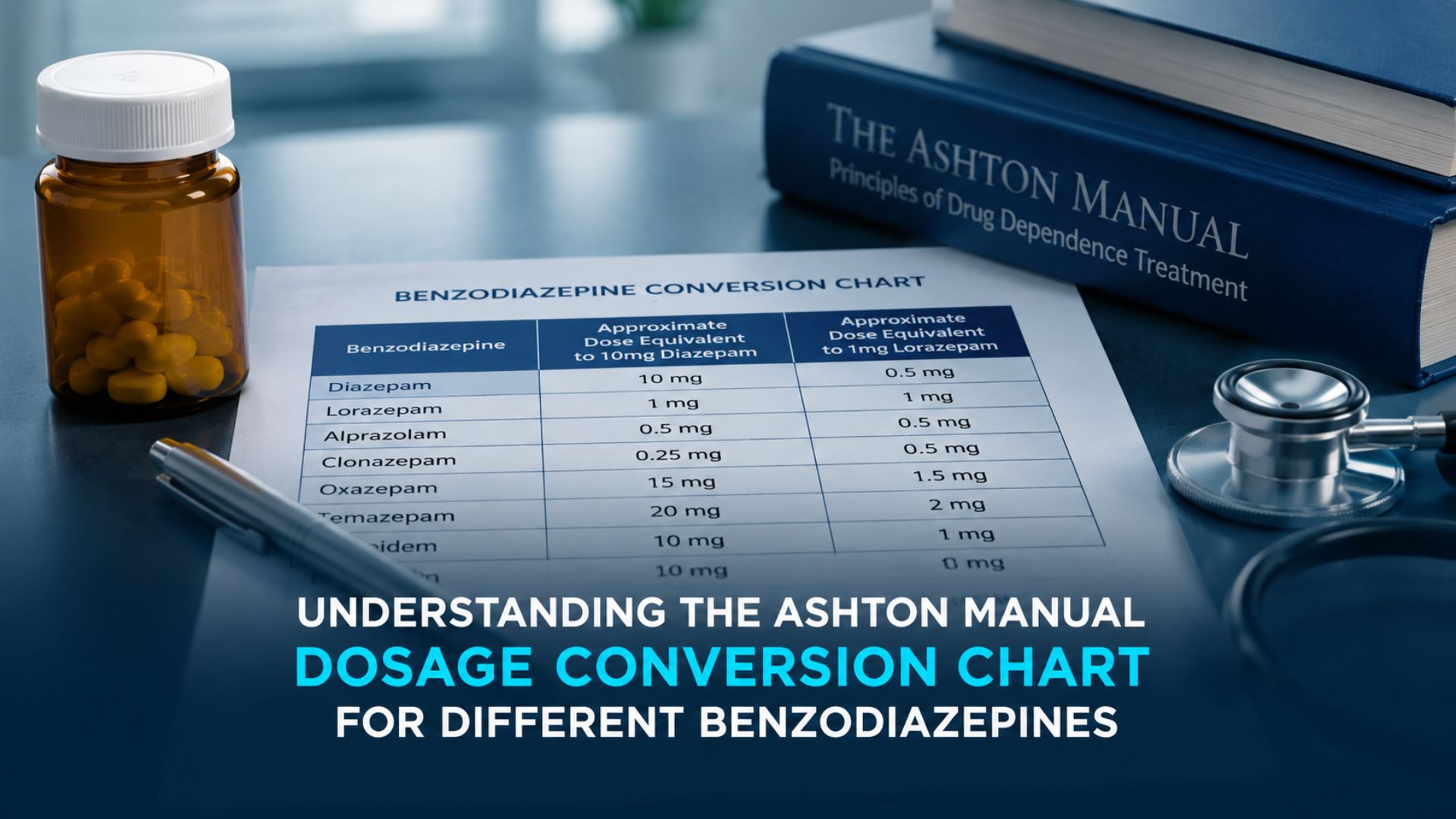
The Ashton Manual is a widely recognized resource for tapering off various medications, including Effexor. It was developed by Professor Heather Ashton, a leading expert in benzodiazepine withdrawal. While the Ashton Manual primarily focuses on benzodiazepines, many of the principles and strategies outlined in the manual can be applied to tapering off other medications, including Effexor.
The Ashton Manual recommends a gradual tapering schedule for Effexor, reducing the dosage by 10% every one to two weeks. This slow reduction allows for a smooth transition and minimizes the risk of withdrawal symptoms. It is important to note that individual variations may require adjustments to the tapering schedule, and it is always best to work with a healthcare professional when developing a tapering plan.
Following a tapering plan is crucial for a successful discontinuation of Effexor. It helps ensure that the body has enough time to adjust to the decreasing levels of medication and reduces the risk of withdrawal symptoms. It is important to be patient and consistent with the tapering process, as rushing or skipping doses can lead to complications.
Finding a Deprescribing Doctor
A deprescribing doctor is a healthcare professional who specializes in helping patients safely and effectively taper off medications. They have expertise in understanding the complexities of medication withdrawal and can provide guidance and support throughout the tapering process.
Finding a deprescribing doctor can be challenging, as not all healthcare professionals are knowledgeable about tapering off medications. It is important to seek out a doctor who has experience in deprescribing and is familiar with the specific medication you are tapering off, such as Effexor.
One way to find a deprescribing doctor is to ask for referrals from your primary care physician or mental health provider. They may be able to recommend someone who has experience in tapering off medications. Additionally, online resources and support groups can provide valuable information and recommendations for finding a deprescribing doctor.
Working with a deprescribing doctor offers several benefits during the tapering process. They can provide personalized guidance and support, monitor your progress, and adjust the tapering plan as needed. They can also help manage any potential side effects or withdrawal symptoms that may arise during the tapering process.
Medically Supervised Tapering: What to Expect

When undergoing a medically supervised taper, you can expect regular check-ins with your deprescribing doctor to monitor your progress and make any necessary adjustments to the tapering plan. Your doctor will guide you through the process, ensuring that you are reducing your dosage at a safe and manageable pace.
During the tapering process, it is important to communicate openly with your doctor about any symptoms or concerns you may have. They will be able to provide guidance and support, and may recommend additional strategies or interventions to help manage any side effects or withdrawal symptoms.
It is common to experience some side effects or withdrawal symptoms during the tapering process. These can include dizziness, nausea, headache, irritability, and mood swings. Your doctor will work with you to manage these symptoms and ensure that you are comfortable throughout the tapering process.
Preventing Protracted Withdrawal
Protracted withdrawal refers to the persistence of withdrawal symptoms long after the medication has been discontinued. It can be a challenging and distressing experience for individuals who are trying to discontinue Effexor. However, there are steps you can take to minimize the risk of protracted withdrawal.
Self-care is crucial during the tapering process. This includes getting enough rest, eating a balanced diet, engaging in regular exercise, and practicing stress-reducing techniques such as meditation or deep breathing exercises. Taking care of your physical and mental well-being can help minimize the severity and duration of withdrawal symptoms.
It is also important to stay on track with your tapering plan and not rush the process. Skipping doses or reducing the dosage too quickly can increase the risk of withdrawal symptoms and protracted withdrawal. Following your doctor’s guidance and being consistent with your tapering schedule is key to a successful discontinuation of Effexor.
Compounded Medications Designed for Tapering
Compounded medications are custom-made medications that are tailored to meet individual needs. They can be particularly useful in tapering off medications like Effexor, as they allow for more precise dosage adjustments.
Compounded medications can be formulated in smaller dosages than commercially available medications, making it easier to gradually reduce the dosage during the tapering process. This can help minimize the risk of withdrawal symptoms and make the transition smoother.
Working with a compounding pharmacy and doctor who specialize in tapering off medications can ensure that you have access to the most appropriate compounded medications for your needs. They can provide guidance and support throughout the tapering process, ensuring that you are receiving the right dosage and formulation for a successful discontinuation of Effexor.
Coping Strategies During Tapering
Tapering off Effexor can be a challenging and emotional process. It is important to have coping strategies in place to manage symptoms and navigate the emotional challenges that may arise during the tapering process.
First and foremost, self-care is crucial. This includes getting enough rest, eating a balanced diet, engaging in regular exercise, and practicing stress-reducing techniques such as meditation or deep breathing exercises. Taking care of your physical and mental well-being can help alleviate symptoms and improve overall well-being.
Support from loved ones can also be invaluable during the tapering process. Letting friends and family know about your journey can provide a support system and understanding ear when you need it most. Additionally, joining support groups or seeking therapy can provide additional support and guidance throughout the tapering process.
The Benefits of Gradual and Safe Tapering
Tapering off Effexor slowly and under medical supervision offers several benefits. It reduces the risk of withdrawal symptoms, including protracted withdrawal, and allows the body to adjust gradually to decreasing levels of medication. A successful taper can lead to reduced side effects, improved mental health, and a smoother transition to life without Effexor.
It is important to seek support and work with a deprescribing doctor during the tapering process. They can provide personalized guidance, monitor your progress, and help manage any potential side effects or withdrawal symptoms that may arise. With their expertise and support, you can navigate the tapering process safely and effectively, leading to a successful discontinuation of Effexor.
If you’re looking for information on safe tapering of Effexor, you may find the article “Finding Freedom from Benzodiazepine Dependence in Fort Lauderdale, Florida” on benzodoc.com helpful. This article discusses the challenges of overcoming benzodiazepine dependence and provides insights into the treatment options available in Fort Lauderdale, Florida. To learn more about this topic, you can read the article here.
FAQs
What is Effexor?
Effexor is a prescription medication used to treat depression, anxiety, and panic disorders.
What is an Effexor taper?
An Effexor taper is a gradual reduction of the medication dosage over a period of time to avoid withdrawal symptoms and potential side effects.
Why is a safe Effexor taper important?
A safe Effexor taper is important to avoid withdrawal symptoms such as nausea, dizziness, and headaches, and to prevent potential side effects such as seizures.
How long does an Effexor taper take?
The length of an Effexor taper varies depending on the individual’s dosage and how long they have been taking the medication. It can take several weeks to several months.
Can I taper off Effexor on my own?
It is not recommended to taper off Effexor on your own. It is important to consult with a healthcare professional to create a safe and effective tapering plan.
What are some tips for a safe Effexor taper?
Some tips for a safe Effexor taper include gradually reducing the dosage, following a tapering schedule created by a healthcare professional, and monitoring for any withdrawal symptoms or side effects.