

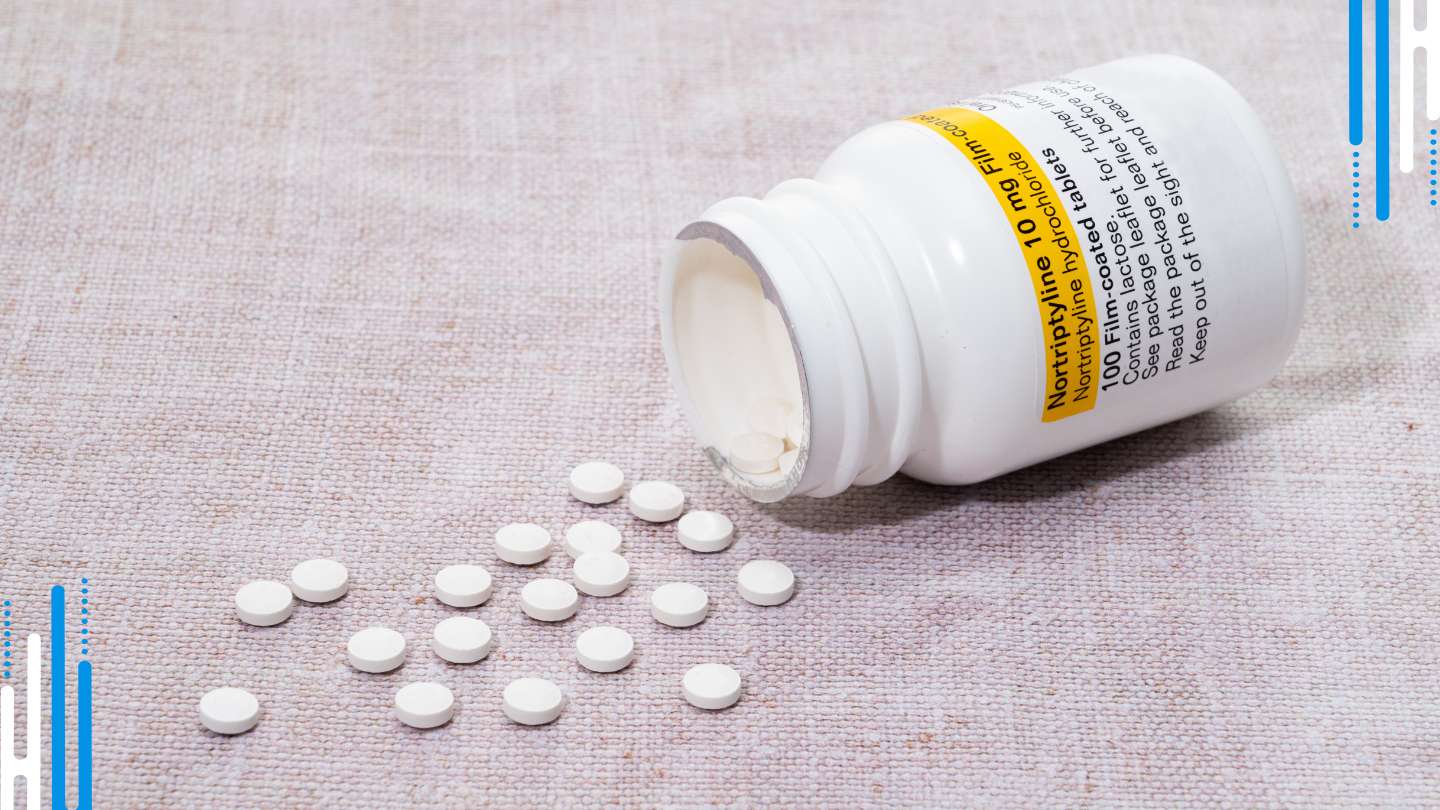
Gradual goodbyes refer to the process of tapering off medication slowly and gradually, rather than abruptly stopping. This approach is important for medication tapering because it allows the body to adjust to the changes and minimize withdrawal symptoms. In this blog post, we will focus on nortriptyline tapering, a medication commonly used to treat depression and other mental health conditions.
Nortriptyline is a tricyclic antidepressant that is often prescribed for the treatment of depression, anxiety, and other mood disorders. It works by increasing the levels of certain chemicals in the brain that help regulate mood. Nortriptyline can be effective in managing these conditions, but it also comes with potential side effects.
Some common side effects of nortriptyline include drowsiness, dry mouth, constipation, blurred vision, and weight gain. These side effects can be bothersome for some individuals and may impact their quality of life. Additionally, long-term use of nortriptyline can lead to dependence on the medication.
Tapering off nortriptyline is necessary to avoid withdrawal symptoms and potential harm to the body. Abruptly stopping nortriptyline can lead to a range of withdrawal symptoms, including nausea, headache, dizziness, irritability, and sleep disturbances. These symptoms can be uncomfortable and may even worsen the original condition that the medication was prescribed for.
Safe tapering involves gradually reducing the dosage of nortriptyline over a period of time, allowing the body to adjust to the changes. This approach minimizes the risk of withdrawal symptoms and ensures a smoother transition off the medication.
The Ashton Manual is a comprehensive guide to tapering off medications, including nortriptyline. It was developed by Professor Heather Ashton, a leading expert in the field of psychopharmacology. The manual provides detailed instructions on how to safely and effectively taper off various medications, including tricyclic antidepressants like nortriptyline.
Using the Ashton Manual for nortriptyline tapering can be beneficial because it provides a structured approach and guidelines for reducing the dosage gradually. It also offers information on potential withdrawal symptoms and how to manage them during the tapering process.
Consulting with a deprescribing doctor is crucial for safe and effective tapering off nortriptyline. A deprescribing doctor is a healthcare professional who specializes in helping patients reduce or discontinue their medications safely. They have the knowledge and expertise to develop an individualized tapering plan based on the patient’s specific needs and circumstances.
A deprescribing doctor will assess the patient’s medical history, current condition, and any potential risks or contraindications before developing a tapering plan. They will also monitor the patient’s progress throughout the tapering process and make adjustments as needed. This ensures that the tapering is done in a controlled manner, minimizing the risk of withdrawal symptoms and other complications.

Medically supervised nortriptyline tapering involves a step-by-step process that is tailored to each individual’s needs. The process typically starts with an assessment by a deprescribing doctor, who will gather information about the patient’s medical history, current condition, and any potential risks or contraindications.
Based on this assessment, the deprescribing doctor will develop a tapering plan that outlines the dosage reductions and timeline for tapering off nortriptyline. The plan may involve reducing the dosage by a certain percentage or milligram amount every week or every other week, depending on the individual’s response and tolerance.
Throughout the tapering process, the deprescribing doctor will closely monitor the patient’s progress and make adjustments to the tapering plan as needed. This may involve slowing down the tapering process, pausing the tapering temporarily, or making smaller dosage reductions. The goal is to ensure that the patient is comfortable and able to manage any withdrawal symptoms that may arise.
Protracted withdrawal refers to the persistence of withdrawal symptoms beyond the expected timeframe. Some individuals may experience prolonged or recurring withdrawal symptoms even after completing the tapering process. This can be challenging and may require additional support and management.
To prevent protracted withdrawal, it is important to manage symptoms effectively during the tapering process. This may involve implementing strategies such as lifestyle changes, stress management techniques, and alternative therapies. It is also important to communicate any concerns or difficulties to the deprescribing doctor, who can provide guidance and support.
Compounded medications can be a valuable tool for tailored tapering off nortriptyline. Compounded medications are custom-made by compounding pharmacies to meet the specific needs of individual patients. They can be formulated in different strengths and dosage forms, allowing for more precise dosage reductions during the tapering process.
Using compounded medications for nortriptyline tapering can help minimize withdrawal symptoms and provide a smoother transition off the medication. The deprescribing doctor can work with a compounding pharmacist to develop a customized formulation that meets the patient’s needs and ensures a gradual reduction in dosage.
Making lifestyle changes can greatly support the nortriptyline tapering process. These changes can help improve overall well-being and reduce the reliance on medication. Some lifestyle changes that may be beneficial during nortriptyline tapering include:
1. Regular exercise: Engaging in regular physical activity can help boost mood, reduce anxiety, and improve sleep quality.
2. Healthy diet: Eating a balanced diet that is rich in fruits, vegetables, whole grains, and lean proteins can provide essential nutrients for optimal brain health.
3. Stress management techniques: Practicing stress management techniques such as meditation, deep breathing exercises, and mindfulness can help reduce anxiety and promote relaxation.
4. Support system: Building a strong support system of friends, family, or support groups can provide emotional support and encouragement during the tapering process.
In conclusion, tapering off nortriptyline requires a gradual and controlled approach to minimize withdrawal symptoms and potential harm. The Ashton Manual and the guidance of a deprescribing doctor are valuable resources for safe and effective tapering. Medically supervised tapering involves a step-by-step process that is tailored to each individual’s needs, with close monitoring and adjustments as needed. Lifestyle changes and compounded medications can also support the tapering process. Seeking professional help and support is crucial for a successful nortriptyline tapering journey.
If you’re looking for information on safe tapering of Nortriptyline, you may also be interested in this article on finding freedom from benzodiazepine dependence in Fort Lauderdale, Florida. It provides valuable insights and resources for those seeking support and guidance in overcoming benzodiazepine addiction. Check it out here.
Nortriptyline is a medication used to treat depression. It belongs to a class of drugs called tricyclic antidepressants.
A Nortriptyline taper is a gradual reduction in the dosage of the medication over a period of time. This is done to minimize withdrawal symptoms and to safely discontinue the medication.
Abruptly stopping Nortriptyline can cause withdrawal symptoms such as nausea, headache, dizziness, and insomnia. A taper helps to minimize these symptoms and allows the body to adjust to the lower dosage.
The length of a Nortriptyline taper can vary depending on the individual and the dosage being taken. Tapers can take anywhere from a few weeks to several months.
A Safe Nortriptyline taper can help to minimize withdrawal symptoms and reduce the risk of relapse. It also allows the body to adjust to the lower dosage and can help to prevent any potential long-term side effects.
A Safe Nortriptyline taper should be supervised by a healthcare professional such as a doctor or pharmacist. They can monitor the individual’s progress and adjust the taper as needed.
If you experience withdrawal symptoms during a Nortriptyline taper, you should contact your healthcare professional immediately. They may need to adjust the taper or provide additional support to help manage the symptoms.

Dr. Leeds specializes in the Ashton Method, a well-established and evidence-based protocol for tapering off benzodiazepines. Developed by the renowned Dr. Heather Ashton, the Ashton Method provides a structured and safe approach to gradually reducing benzodiazepine dosages, minimizing withdrawal symptoms, and ultimately achieving freedom from these medications.