

Psychiatric drug dependence refers to the reliance on medications prescribed for mental health conditions such as depression, anxiety, bipolar disorder, and schizophrenia. These medications, including antidepressants, anti-anxiety drugs, mood stabilizers, and antipsychotics, are often essential for managing symptoms and improving the quality of life for individuals with mental health disorders. However, dependence can develop when these medications are used inappropriately or for an extended period of time.
Psychiatric drug dependence can occur when individuals become reliant on these medications to function in their daily lives. This reliance can lead to a range of negative consequences, including physical and psychological dependence, tolerance, and withdrawal symptoms when the medication is reduced or discontinued. It’s important to understand that psychiatric drug dependence is a complex issue that can impact individuals of all ages and backgrounds. It’s not a sign of weakness or failure, but rather a result of the complex interplay between genetics, brain chemistry, environmental factors, and the use of psychiatric medications.
Psychiatric drug dependence can be challenging to recognize, as individuals may not realize they have developed a dependence on their medication. It’s important to be aware of the signs and symptoms of dependence so that appropriate support and professional help can be sought. Understanding the signs of psychiatric drug dependence is crucial for both individuals who are taking these medications and their loved ones. By recognizing the signs of dependence, individuals can take proactive steps to seek support and professional help to address their dependence and work towards recovery.
Recognizing the signs of psychiatric drug dependence is essential for individuals who are taking these medications and their loved ones. Some common signs of psychiatric drug dependence include an increased tolerance to the medication, meaning that higher doses are needed to achieve the same effects. Individuals may also experience withdrawal symptoms when they attempt to reduce or discontinue their medication, such as anxiety, irritability, insomnia, and physical discomfort.
Another sign of psychiatric drug dependence is the presence of cravings or a strong desire to continue using the medication despite negative consequences. Individuals may also find that their medication use has become a central focus in their lives, leading to neglect of other important responsibilities and activities. Additionally, individuals may experience difficulties in managing their emotions and functioning without the medication, leading to a sense of reliance on the medication for daily functioning.
It’s important for individuals and their loved ones to be aware of these signs and symptoms so that appropriate support and professional help can be sought. Recognizing the signs of psychiatric drug dependence is the first step towards addressing the issue and working towards recovery. By being proactive in recognizing these signs, individuals can take control of their health and well-being and seek the support they need to overcome psychiatric drug dependence.
Seeking support and professional help is crucial for individuals who are struggling with psychiatric drug dependence. It’s important to reach out to trusted friends, family members, or mental health professionals to discuss concerns about medication use and dependence. By seeking support from loved ones, individuals can receive encouragement, understanding, and practical assistance in addressing their dependence on psychiatric medications.
In addition to seeking support from loved ones, it’s essential to consult with a qualified mental health professional who can provide guidance and support in addressing psychiatric drug dependence. Mental health professionals, such as psychiatrists, psychologists, or counselors, can offer specialized expertise in managing psychiatric medication use and developing a plan for recovery. These professionals can conduct a thorough assessment of an individual’s medication use and mental health needs, provide education about psychiatric drug dependence, and offer evidence-based treatments to support recovery.
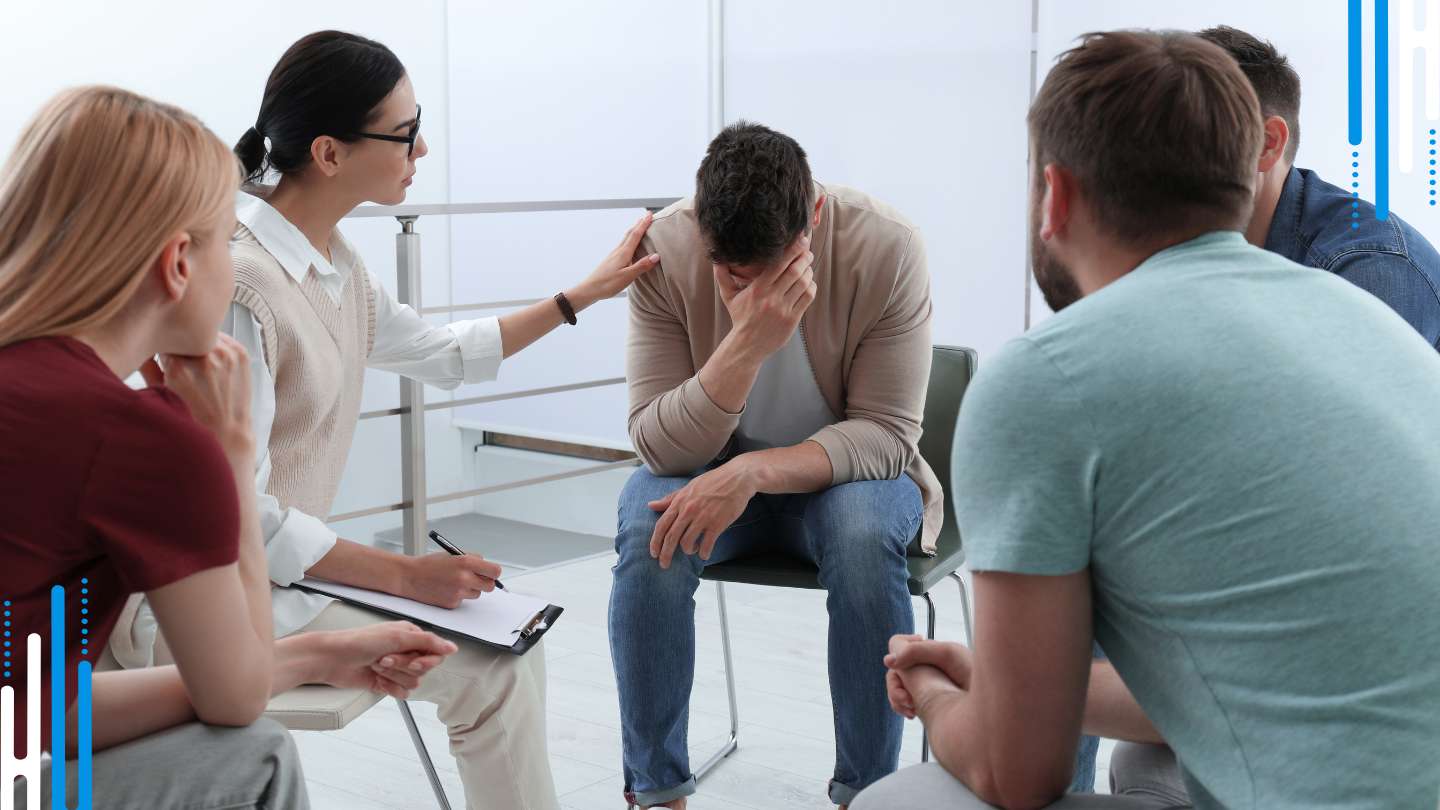
Support groups can also be valuable resources for individuals struggling with psychiatric drug dependence. Joining a support group can provide a sense of community, understanding, and encouragement from others who have experienced similar challenges with psychiatric medication use. Support groups can offer a safe space for individuals to share their experiences, learn from others, and receive practical tips for managing psychiatric drug dependence.
Developing a plan for recovery from psychiatric drug dependence is a critical step towards regaining control over one’s health and well-being. A comprehensive plan for recovery should be tailored to an individual’s unique needs and circumstances, taking into account their specific medication use, mental health condition, and personal goals for recovery.
A key component of developing a plan for recovery is working closely with a qualified mental health professional who can provide guidance and support throughout the recovery process. This may involve collaborating with a psychiatrist or psychologist to conduct a thorough assessment of an individual’s medication use, mental health needs, and any co-occurring conditions that may impact recovery.
In addition to professional support, developing a plan for recovery may involve making lifestyle changes to support overall well-being. This could include adopting healthy habits such as regular exercise, balanced nutrition, adequate sleep, stress management techniques, and engaging in meaningful activities that promote mental and emotional well-being.
Furthermore, developing a plan for recovery may involve exploring alternative treatments or therapies to manage mental health symptoms without relying solely on psychiatric medications. This could include psychotherapy, mindfulness practices, holistic approaches, or complementary therapies that align with an individual’s preferences and values.
Rebuilding a healthy lifestyle is an essential aspect of recovery from psychiatric drug dependence. This involves making positive changes in various areas of life to support overall well-being and reduce reliance on psychiatric medications. Rebuilding a healthy lifestyle may include adopting healthy habits such as regular physical activity, balanced nutrition, adequate sleep, stress management techniques, and engaging in activities that promote mental and emotional well-being.
In addition to making lifestyle changes, rebuilding a healthy lifestyle may involve addressing any co-occurring conditions that could impact recovery from psychiatric drug dependence. This could include seeking treatment for substance abuse disorders, addressing underlying medical conditions, or managing other mental health concerns that may contribute to reliance on psychiatric medications.
Furthermore, rebuilding a healthy lifestyle may involve exploring alternative treatments or therapies to manage mental health symptoms without relying solely on psychiatric medications. This could include engaging in psychotherapy, mindfulness practices, holistic approaches, or complementary therapies that align with an individual’s preferences and values.
Rebuilding a healthy lifestyle is an ongoing process that requires commitment, patience, and perseverance. It’s important for individuals in recovery from psychiatric drug dependence to prioritize self-care, seek support from loved ones and mental health professionals, and remain open to exploring new approaches to managing mental health symptoms.
Managing withdrawal symptoms is an important aspect of recovery from psychiatric drug dependence. When individuals attempt to reduce or discontinue their medication use, they may experience withdrawal symptoms that can be uncomfortable or distressing. It’s essential for individuals to work closely with a qualified mental health professional to develop a safe and effective plan for managing withdrawal symptoms.
A key component of managing withdrawal symptoms is gradually tapering off psychiatric medications under the guidance of a qualified mental health professional. This involves reducing the dosage of the medication slowly over time to minimize the risk of withdrawal symptoms and ensure a smooth transition off the medication.
In addition to tapering off medications, managing withdrawal symptoms may involve implementing strategies to alleviate discomfort and support overall well-being during this transition period. This could include engaging in stress-reducing activities such as mindfulness practices, relaxation techniques, or physical exercise. It’s also important for individuals to prioritize self-care by getting adequate rest, maintaining a balanced diet, staying hydrated, and seeking emotional support from loved ones or support groups.
Furthermore, managing withdrawal symptoms may involve exploring alternative treatments or therapies to manage mental health symptoms during this transition period. This could include engaging in psychotherapy, holistic approaches, or complementary therapies that can provide additional support during the withdrawal process.
Embracing life after psychiatric drug dependence is a significant milestone in an individual’s recovery journey. It’s important for individuals to celebrate their progress and accomplishments as they work towards regaining control over their health and well-being. Embracing life after psychiatric drug dependence involves cultivating a sense of empowerment, resilience, and hope for the future.
After successfully managing withdrawal symptoms and reducing reliance on psychiatric medications, individuals can focus on rebuilding their lives and pursuing meaningful goals that align with their values and aspirations. This may involve re-engaging in activities that bring joy and fulfillment, pursuing educational or career opportunities, nurturing relationships with loved ones, and contributing to their communities in meaningful ways.
Embracing life after psychiatric drug dependence also involves prioritizing ongoing self-care practices that support overall well-being. This could include maintaining healthy habits such as regular physical activity, balanced nutrition, adequate sleep, stress management techniques, and engaging in activities that promote mental and emotional well-being.
Furthermore, embracing life after psychiatric drug dependence may involve seeking ongoing support from mental health professionals or support groups to maintain progress and address any challenges that may arise during the recovery journey. By embracing life after psychiatric drug dependence with courage and determination, individuals can create a fulfilling and meaningful life beyond their struggles with medication dependence.
Transitioning off psychiatric drugs can be a complex and challenging process. It is crucial to approach this journey with care and guidance. Here’s a step-by-step guide to help you navigate this transition safely.
Remember, the goal is to ensure a safe and healthy transition off psychiatric medication. Taking these steps can help you reclaim your life with confidence and support.
Psychiatric Drug Dependence: A condition characterized by reliance on psychiatric medications prescribed for mental health disorders, leading to potential physical and psychological dependence, tolerance, and withdrawal symptoms.
Common manifestations include: Physical dependence, Psychological dependence, Tolerance to medication effects, and others.
It is crucial to consult with a healthcare provider before making any changes to your psychiatric medication regimen. They can help you create a safe and effective tapering schedule, minimizing potential withdrawal symptoms. Additionally, consider seeking support from a therapist or a support group to help navigate the emotional aspects of discontinuing medication.
Managing withdrawal symptoms involves following your healthcare provider’s tapering plan closely and monitoring your physical and mental health. Stay hydrated, maintain a balanced diet, and get regular exercise to support your body’s recovery. If symptoms become severe, contact your healthcare provider immediately for guidance.
The duration varies significantly depending on the type of medication, the dosage, and individual factors such as metabolism and overall health. While some individuals may adjust within a few weeks, others may experience symptoms for several months. Regular follow-up with your healthcare provider is essential to monitor progress.
Adopting healthy lifestyle habits can significantly aid recovery. Prioritize regular physical activity, establish a consistent sleep schedule, and engage in mindfulness practices such as meditation or yoga. Additionally, maintaining a strong social network can provide emotional support and encouragement.
Alternative therapies, such as cognitive-behavioral therapy (CBT), acupuncture, and mindfulness-based stress reduction (MBSR), can be beneficial during recovery. These therapies can help manage anxiety, depression, and stress, providing additional tools to cope with life after psychiatric medication. Discuss these options with your healthcare provider to ensure they complement your recovery plan.
Psychiatric Drug Dependence: A condition characterized by reliance on psychiatric medications, leading to physical and psychological dependence, tolerance, and withdrawal symptoms.
Common manifestations include: Physical dependence, Psychological dependence, Tolerance, and others.

Dr. Leeds specializes in the Ashton Method, a well-established and evidence-based protocol for tapering off benzodiazepines. Developed by the renowned Dr. Heather Ashton, the Ashton Method provides a structured and safe approach to gradually reducing benzodiazepine dosages, minimizing withdrawal symptoms, and ultimately achieving freedom from these medications.
Contact Us for expert guidance on safely tapering off benzodiazepines and reclaiming your life.