

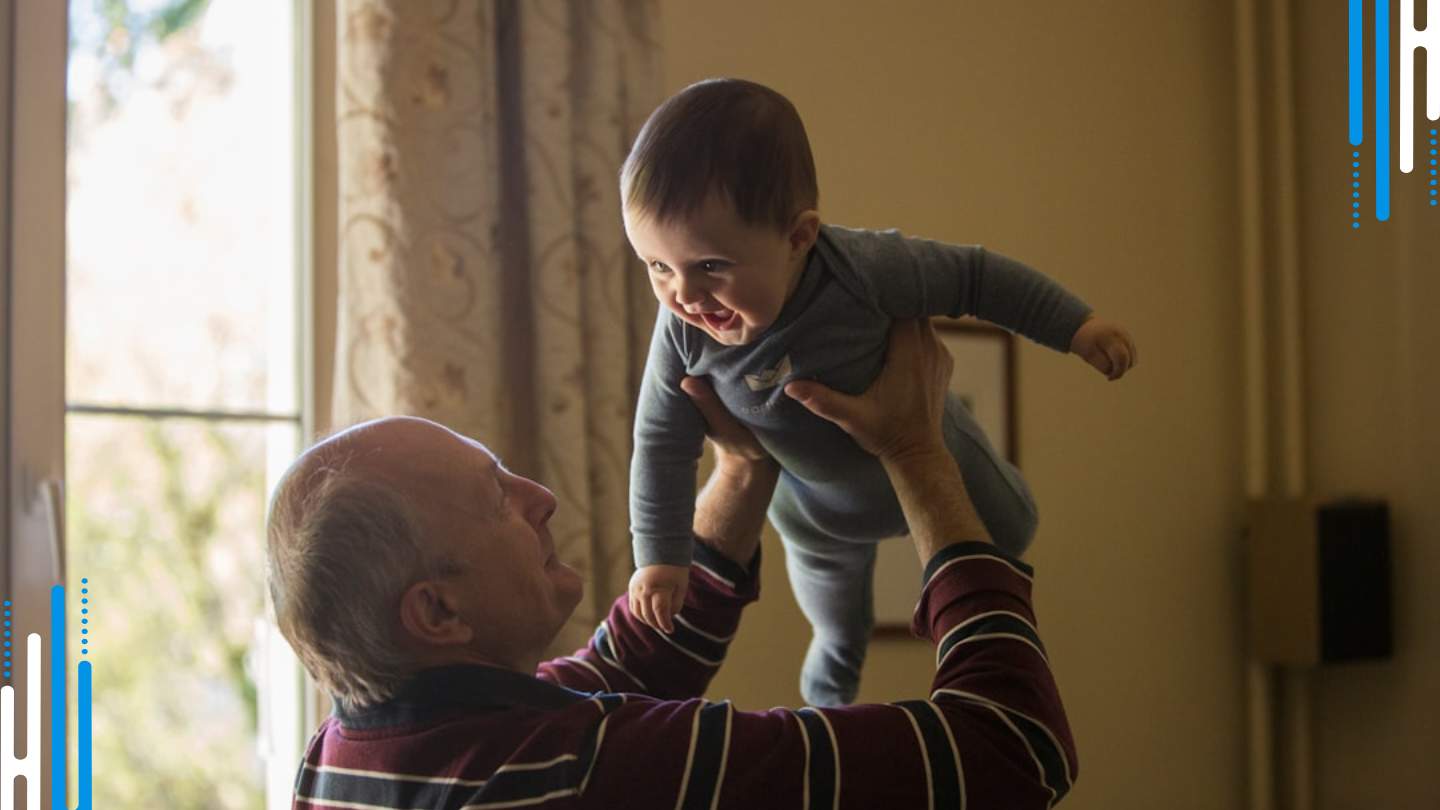
Living with anxiety can be challenging, but having a strong support system can make a world of difference. A support system consists of friends, family members, and other individuals who provide emotional, practical, and informational support. They can help reduce anxiety levels and provide a sense of comfort and security. In this article, we will explore the importance of having a support system for individuals with anxiety and discuss strategies for building and maintaining strong relationships with supportive individuals.
Having a support system is crucial for individuals with anxiety as it can significantly reduce anxiety levels. When faced with anxiety-inducing situations, having someone to lean on can provide a sense of comfort and reassurance. Supportive individuals can offer emotional support by listening, offering encouragement, and providing a safe space to express feelings and concerns.
Practical support is also essential in reducing anxiety. This can include helping with daily tasks or responsibilities that may feel overwhelming for someone with anxiety. For example, a supportive friend or family member may offer to accompany someone to appointments or assist with household chores during times of heightened anxiety.
Furthermore, a support system can provide informational support by offering guidance and resources. They can help individuals with anxiety better understand their condition, learn coping strategies, and connect them with professional help if needed. Having access to accurate information and resources can empower individuals to take control of their anxiety and seek appropriate treatment.
Not everyone in our lives is equipped to provide the support we need when dealing with anxiety. It is important to identify supportive friends and family members who can be relied upon during difficult times.
Supportive individuals often possess certain characteristics that make them well-suited for providing assistance. They are empathetic, understanding, and non-judgmental. They listen actively and validate the experiences and feelings of those with anxiety. Supportive individuals are also reliable and dependable, making themselves available when needed.
On the other hand, there are signs that someone may not be supportive. They may dismiss or minimize your anxiety, invalidate your feelings, or offer unsolicited advice without truly understanding your situation. It is important to recognize these signs and distance yourself from individuals who are not supportive or may even exacerbate your anxiety.
Effective communication is key in any relationship, including those within a support system. When communicating your needs to your support system, it is important to be clear and assertive. Clearly express what you need from them, whether it is emotional support, practical assistance, or simply someone to listen.
Setting boundaries is also crucial in maintaining a healthy support system. Let your loved ones know what you are comfortable with and what you need space for. This can help prevent feelings of overwhelm or resentment and ensure that your support system respects your boundaries.
Additionally, it is important to remember that communication is a two-way street. Be open to listening and understanding the needs of your support system as well. Building strong relationships requires mutual respect and reciprocity.
Socializing and connecting with others can have a profound impact on reducing anxiety levels. Engaging in social activities can provide a distraction from anxious thoughts and help individuals feel more connected to the world around them.
Socializing can also provide a sense of belonging and support. Being around others who understand and empathize with your experiences can be incredibly validating and comforting. It can remind individuals that they are not alone in their struggles and that there are people who care about their well-being.
There are various social activities that can be beneficial for individuals with anxiety. Joining support groups or participating in group therapy sessions can provide a safe space to share experiences and learn from others. Engaging in hobbies or interests that involve social interaction, such as joining a sports team or attending art classes, can also help individuals with anxiety build connections and reduce feelings of isolation.
Building stronger relationships with supportive individuals requires effort and intentionality. Here are some tips for strengthening your support system:
1. Show appreciation: Express gratitude and appreciation for the support you receive. Let your loved ones know how much their presence means to you and how their support has positively impacted your life.
2. Be present: Show up for your support system in the same way they show up for you. Be present and attentive when they need support or someone to talk to. Offer a listening ear and provide encouragement when needed.
3. Communicate openly: Foster open and honest communication within your support system. Share your thoughts, feelings, and needs, and encourage others to do the same. This can help deepen understanding and strengthen the bond between individuals.
4. Spend quality time together: Make an effort to spend quality time with your supportive friends and family members. Engage in activities that you both enjoy and create lasting memories together.
Empathy and active listening are essential components of providing effective support to individuals with anxiety. Empathy involves understanding and sharing the feelings of another person. It is about putting yourself in their shoes and validating their experiences.
Active listening goes hand in hand with empathy. It involves fully focusing on the speaker, paying attention to both verbal and non-verbal cues, and responding in a way that shows understanding and empathy. Active listening allows individuals with anxiety to feel heard, understood, and supported.
To practice empathy and active listening, try to suspend judgment and truly listen to what the other person is saying. Reflect back their feelings and experiences to show that you understand and validate their emotions. Avoid interrupting or offering unsolicited advice unless it is specifically requested.
Anxiety triggers can vary from person to person, but having a support system can greatly assist in coping with them. Supportive individuals can help identify triggers and provide guidance on how to manage them effectively.
For example, if someone with anxiety experiences panic attacks triggered by crowded places, a supportive friend or family member may offer to accompany them to public spaces until they feel more comfortable. They can provide reassurance and act as a calming presence during anxiety-inducing situations.
Coping strategies such as deep breathing exercises, mindfulness techniques, and grounding exercises can also be practiced with the help of a support system. Supportive individuals can remind someone with anxiety to utilize these strategies when they are feeling overwhelmed or anxious.
While having a support system is crucial, it is equally important to avoid toxic relationships and negative influences. Toxic relationships can exacerbate anxiety and have a detrimental impact on mental health.
Signs of toxic relationships include constant criticism, manipulation, lack of respect for boundaries, and emotional or physical abuse. It is important to recognize these signs and distance yourself from individuals who are not supportive or may even contribute to your anxiety.
Negative influences can also have a detrimental impact on mental health. These can include individuals who constantly bring negativity into your life, engage in unhealthy behaviors, or encourage you to engage in behaviors that are detrimental to your well-being. Surrounding yourself with positive influences is essential for maintaining good mental health.
Maintaining a healthy balance between independence and dependence within your support system is crucial. While it is important to rely on others for support, it is equally important to develop self-reliance and independence.
Dependence on others for all aspects of support can lead to feelings of helplessness and hinder personal growth. It is important to develop coping strategies and self-care practices that can be utilized independently. This can include engaging in activities that bring joy, practicing mindfulness, and seeking professional help when needed.
At the same time, it is important to recognize that it is okay to ask for help and lean on your support system when needed. Balancing independence and dependence involves knowing when to reach out for support and when to take responsibility for your own well-being.
Expressing gratitude and appreciation to your supportive friends and family members can go a long way in maintaining strong relationships. Showing gratitude not only benefits the recipient but also enhances your own well-being.
Take the time to express your appreciation for the support you receive. Let your loved ones know how much their presence means to you and how their support has positively impacted your life. This can be done through verbal expressions of gratitude, handwritten notes, or small gestures of kindness.
Furthermore, practicing gratitude in your own life can help shift your focus from anxiety-inducing thoughts to the positive aspects of your life. Keep a gratitude journal or make it a habit to reflect on three things you are grateful for each day. This can help cultivate a positive mindset and strengthen your relationships with supportive individuals.
In conclusion, having a strong support system is crucial for individuals with anxiety. A support system can provide emotional, practical, and informational support, which can significantly reduce anxiety levels. It is important to identify supportive friends and family members, communicate your needs effectively, and build stronger relationships with them.
Socializing and connecting with others can also have a positive impact on reducing anxiety. Engaging in social activities and joining support groups can provide a sense of belonging and support. Additionally, practicing empathy and active listening within your support system can enhance the effectiveness of the support provided.
It is important to cope with anxiety triggers with the help of your support system and avoid toxic relationships and negative influences. Balancing independence and dependence within your support system is crucial for personal growth and maintaining healthy relationships. Finally, expressing gratitude and appreciation to your supportive friends and family members can help maintain strong relationships and enhance your own well-being.
Seeking out and maintaining a strong support system is essential for individuals with anxiety. Remember, you are not alone, and there are people who care about your well-being. Reach out, communicate your needs, and cultivate strong relationships that will support you on your journey towards managing anxiety.
Connect with supportive friends and family to reduce anxiety. According to a recent article on benzodoc.com, having a strong support system can greatly alleviate anxiety symptoms. Whether you’re struggling with benzodiazepine dependence or looking for a safe tapering guide, reaching out to loved ones can make a significant difference in your journey towards recovery. To learn more about the importance of support networks, check out this informative article: Finding Freedom from Benzodiazepine Dependence in Fort Lauderdale, Florida.

Dr. Leeds specializes in the Ashton Method, a well-established and evidence-based protocol for tapering off benzodiazepines. Developed by the renowned Dr. Heather Ashton, the Ashton Method provides a structured and safe approach to gradually reducing benzodiazepine dosages, minimizing withdrawal symptoms, and ultimately achieving freedom from these medications.
Contact Us for expert guidance on safely tapering off benzodiazepines and reclaiming your life.