
Anxiety is a common mental health condition that affects millions of people worldwide. It is characterized by feelings of worry, fear, and unease, often accompanied by physical symptoms such as increased heart rate, sweating, and trembling. According to the World Health Organization, anxiety disorders are the most prevalent mental health disorders globally, affecting around 264 million people. Managing anxiety is crucial for overall well-being and quality of life. While there are various treatment options available, including therapy and medication, herbal remedies have gained popularity for their potential to alleviate anxiety symptoms naturally.
Anxiety is a normal response to stress or danger. It is the body’s way of preparing for a perceived threat. However, when anxiety becomes excessive and interferes with daily life, it may be classified as an anxiety disorder. Common causes of anxiety include genetics, brain chemistry, personality traits, and life experiences. Symptoms of anxiety can vary from person to person but often include feelings of restlessness or irritability, difficulty concentrating, muscle tension, and sleep disturbances. It is important to recognize these symptoms and seek appropriate help to manage anxiety effectively.
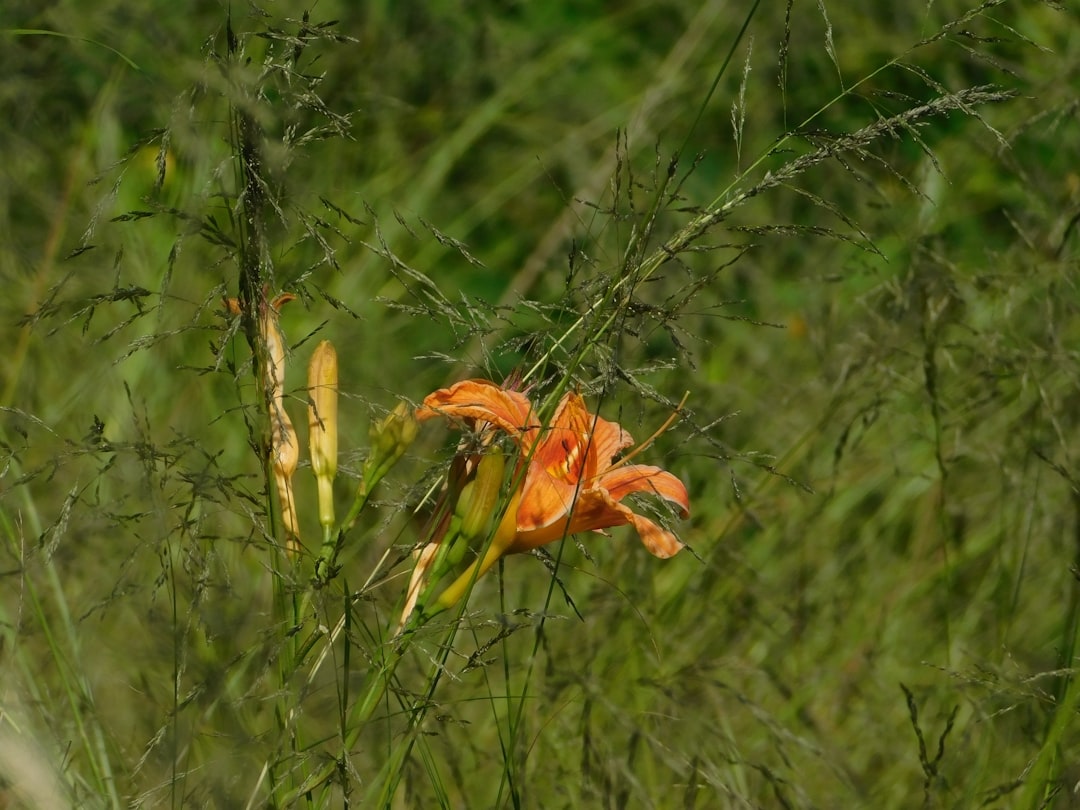
Herbal remedies have been used for centuries to promote relaxation and reduce anxiety symptoms. Two popular herbs known for their calming properties are passionflower and lemon balm. Passionflower (Passiflora incarnata) is a flowering plant native to North America that has been traditionally used as a natural relaxant. Lemon balm (Melissa officinalis) is a member of the mint family and has been used for its calming effects on the mind and body. These herbs offer a natural alternative to pharmaceutical medications for those seeking relief from anxiety.
Passionflower is a beautiful flowering plant that has been used for centuries to promote relaxation and reduce anxiety symptoms. It contains several active compounds, including flavonoids and alkaloids, which are believed to have anxiety-reducing properties. Passionflower works by increasing the levels of gamma-aminobutyric acid (GABA) in the brain, a neurotransmitter that helps regulate anxiety. Research studies have shown promising results in the use of passionflower for anxiety relief. A study published in the Journal of Clinical Pharmacy and Therapeutics found that passionflower extract was as effective as a prescription medication in reducing anxiety symptoms.
Lemon balm is a fragrant herb known for its calming effects on the mind and body. It contains compounds such as rosmarinic acid and flavonoids, which have been shown to have anti-anxiety properties. Lemon balm works by increasing GABA levels in the brain, similar to passionflower. Research studies have demonstrated the effectiveness of lemon balm in reducing anxiety symptoms. A study published in the Journal of Ethnopharmacology found that lemon balm extract significantly reduced anxiety symptoms in participants.
The active compounds found in passionflower and lemon balm are responsible for their anxiety-reducing properties. Passionflower contains flavonoids such as chrysin and apigenin, which have been shown to have sedative effects and promote relaxation. These compounds work by binding to GABA receptors in the brain, increasing GABA activity and reducing anxiety. Lemon balm contains rosmarinic acid, which has been found to inhibit the breakdown of GABA, leading to increased GABA levels in the brain. This mechanism helps calm the mind and reduce anxiety symptoms.
Scientific evidence supports the use of passionflower and lemon balm for anxiety relief. A study published in the Journal of Clinical Psychopharmacology found that passionflower extract significantly reduced anxiety symptoms in participants compared to a placebo. Another study published in the Journal of Herbal Pharmacotherapy found that lemon balm extract improved mood and reduced anxiety symptoms in participants. These studies provide further support for the use of passionflower and lemon balm as natural remedies for anxiety.
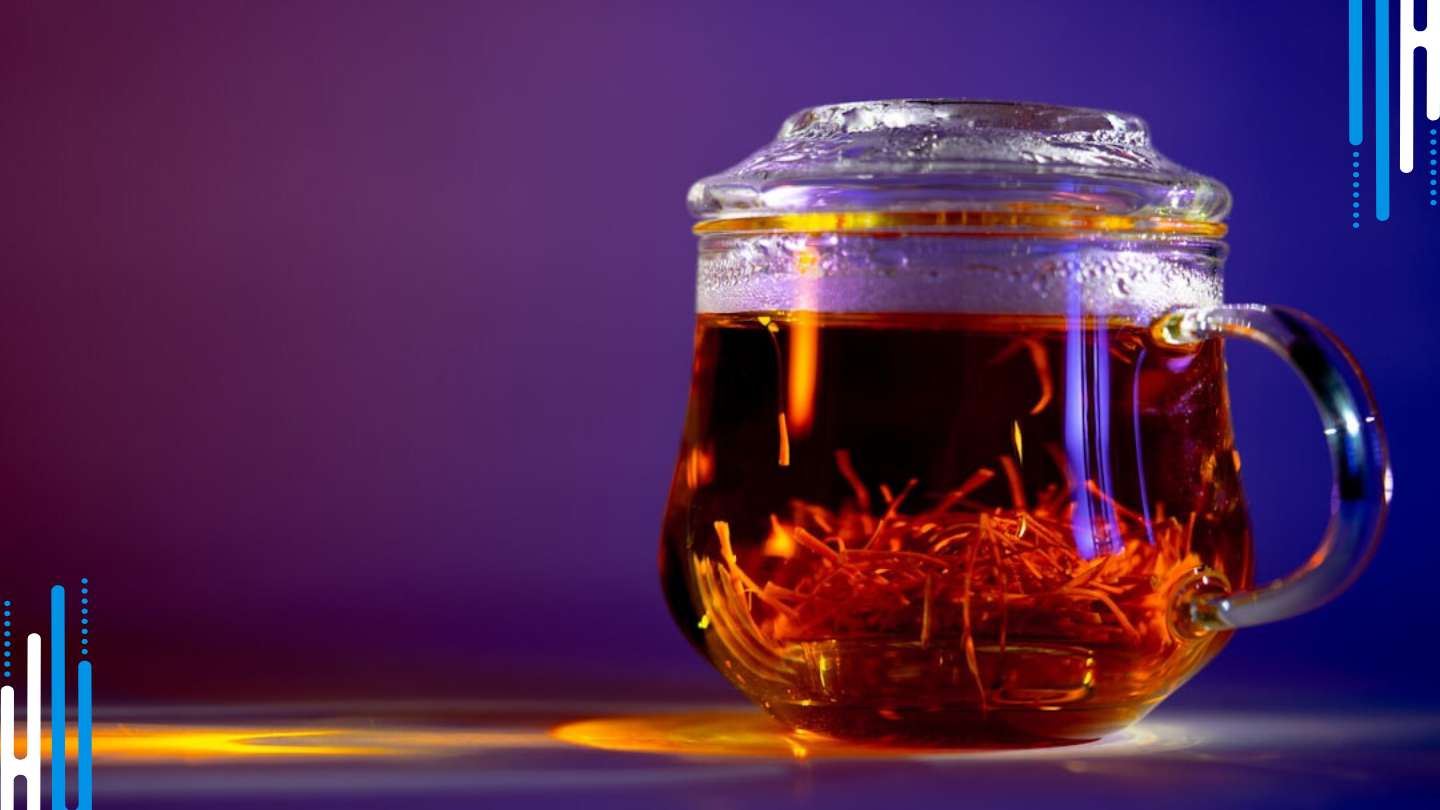
One of the most popular ways to consume passionflower and lemon balm is by brewing them into a tea. Here is a step-by-step guide on how to prepare passionflower and lemon balm tea for maximum benefits:
1. Gather the ingredients: You will need dried passionflower leaves or flowers and dried lemon balm leaves.
2. Boil water: Bring a pot of water to a boil.
3. Measure the herbs: Use one teaspoon of dried passionflower leaves or flowers and one teaspoon of dried lemon balm leaves for every cup of water.
4. Steep the herbs: Place the herbs in a teapot or infuser and pour the boiling water over them. Let it steep for about 10 minutes.
5. Strain and serve: After steeping, strain the tea to remove the herbs. Serve hot or let it cool for iced tea.
Incorporating herbal teas into your daily routine can be a beneficial way to manage anxiety. Herbal teas offer a natural and gentle approach to relaxation and can be enjoyed throughout the day. To make herbal teas a part of your daily routine, consider the following tips:
1. Start your day with a calming cup of passionflower or lemon balm tea to set a relaxed tone for the day ahead.
2. Take breaks throughout the day to enjoy a cup of herbal tea. Use this time to pause, breathe, and center yourself.
3. Replace caffeinated beverages with herbal teas. Caffeine can exacerbate anxiety symptoms, so opting for herbal teas can help promote relaxation.
4. Wind down in the evening with a soothing cup of passionflower or lemon balm tea before bed. This can help calm the mind and prepare you for a restful night’s sleep.
There are also other herbal teas that can help with anxiety management, such as chamomile, lavender, and valerian root. Experiment with different blends and find what works best for you.
While passionflower and lemon balm can be effective on their own, combining them with other herbs can enhance their anxiety-relieving properties. Some herbs that can be combined with passionflower and lemon balm for enhanced anxiety relief include chamomile, lavender, and valerian root.
Chamomile is a gentle herb known for its calming effects. It can be combined with passionflower and lemon balm to create a soothing blend that promotes relaxation and reduces anxiety symptoms.
Lavender is another herb that has been used for centuries to promote relaxation and reduce anxiety. Combining lavender with passionflower and lemon balm can create a fragrant and calming blend that helps calm the mind and body.
Valerian root is a powerful herb that has been used as a natural sedative for centuries. It can be combined with passionflower and lemon balm to create a potent blend that promotes deep relaxation and alleviates anxiety symptoms.
When combining herbs, it is important to follow dosage recommendations and consult with a healthcare professional if you have any underlying health conditions or are taking medications.
While passionflower and lemon balm are generally safe for most people, there are some precautions to take when consuming them in tea form. It is important to note that these herbs may interact with certain medications, including sedatives and blood thinners. If you are taking any medications, it is best to consult with a healthcare professional before incorporating passionflower and lemon balm tea into your routine.
Possible side effects of passionflower and lemon balm tea consumption may include drowsiness, dizziness, and upset stomach. If you experience any adverse reactions, it is recommended to discontinue use and consult with a healthcare professional.
It is also important to note that passionflower and lemon balm should be avoided during pregnancy and breastfeeding, as their safety has not been established for these populations.
In addition to herbal remedies, there are other lifestyle changes that can help reduce anxiety. Exercise is a powerful tool for managing anxiety as it releases endorphins, improves mood, and reduces stress. Engaging in regular physical activity, such as walking, jogging, or yoga, can have a positive impact on anxiety symptoms.
Meditation and mindfulness practices can also be beneficial for anxiety management. Taking time each day to quiet the mind and focus on the present moment can help reduce anxiety and promote a sense of calm.
A healthy diet can also play a role in managing anxiety. Consuming a balanced diet rich in fruits, vegetables, whole grains, and lean proteins can provide essential nutrients that support brain health and reduce anxiety symptoms. Avoiding excessive caffeine and alcohol intake is also recommended as they can exacerbate anxiety symptoms.
In conclusion, managing anxiety is crucial for overall well-being and quality of life. While there are various treatment options available, herbal remedies such as passionflower and lemon balm offer a natural alternative for anxiety relief. These herbs have been used for centuries to promote relaxation and reduce anxiety symptoms. The active compounds found in passionflower and lemon balm work by increasing GABA levels in the brain, leading to a reduction in anxiety. Scientific evidence supports the use of passionflower and lemon balm for anxiety relief, and they can be consumed in tea form for maximum benefits.
It is important to note that herbal remedies should not replace professional help for severe anxiety. If you are experiencing severe anxiety symptoms, it is recommended to seek the guidance of a healthcare professional. However, for mild to moderate anxiety, incorporating herbal remedies and lifestyle changes such as exercise, meditation, and a healthy diet can be beneficial. By taking a holistic approach to anxiety management, individuals can find relief and improve their overall well-being.
If you’re looking for natural alternatives to reduce anxiety, consider trying herbal teas like passionflower or lemon balm. These herbs have been used for centuries to promote relaxation and calmness. In fact, a recent article on benzodoc.com explores the benefits of herbal teas in managing anxiety. To learn more about how these teas can help you find relief, check out the article here.

Dr. Leeds specializes in the Ashton Method, a well-established and evidence-based protocol for tapering off benzodiazepines. Developed by the renowned Dr. Heather Ashton, the Ashton Method provides a structured and safe approach to gradually reducing benzodiazepine dosages, minimizing withdrawal symptoms, and ultimately achieving freedom from these medications.
Contact Us for expert guidance on safely tapering off benzodiazepines and reclaiming your life.