
Anxiety is a prevalent mental health condition that affects millions of people worldwide. It can manifest in various ways, including excessive worry, restlessness, irritability, and difficulty concentrating. While anxiety is a normal response to stress, chronic anxiety can significantly impact a person’s quality of life. Therefore, it is crucial to have effective management strategies in place. One powerful tool for anxiety reduction is self-care.
Self-care refers to the practice of taking deliberate actions to improve one’s physical, mental, and emotional well-being. It involves prioritizing activities and habits that promote self-nurturing and stress reduction. By incorporating self-care into our daily lives, we can better manage anxiety and improve our overall mental health.
To understand how self-care can help reduce anxiety, it is essential to explore the physiological and psychological mechanisms behind anxiety. Anxiety is often triggered by the body’s stress response, also known as the fight-or-flight response. When faced with a perceived threat or danger, the body releases stress hormones such as cortisol and adrenaline, preparing us to either fight or flee.
However, in individuals with anxiety disorders, this stress response can become dysregulated, leading to chronic activation of the fight-or-flight response. This dysregulation can result in heightened levels of anxiety and increased sensitivity to stressors.
Self-care practices can positively impact these mechanisms by activating the body’s relaxation response. Activities such as deep breathing exercises, meditation, and physical exercise have been shown to reduce cortisol levels and promote a sense of calm and relaxation. By engaging in self-care regularly, we can help regulate our stress response system and reduce anxiety.
Creating a personalized self-care routine is crucial for effectively managing anxiety. Here are some practical tips for developing a routine that works for you:
1. Identify your needs: Take some time to reflect on what activities and practices make you feel calm, centered, and rejuvenated. This could include activities such as reading, taking baths, spending time in nature, or engaging in creative pursuits.
2. Start small: Begin by incorporating one or two self-care activities into your daily routine. It’s important to start small and gradually build up your self-care practice to avoid feeling overwhelmed or pressured.
3. Be consistent: Consistency is key when it comes to self-care. Set aside dedicated time each day or week for self-care activities and commit to sticking to your routine.
4. Prioritize self-care: Make self-care a non-negotiable part of your life. Prioritize your well-being and recognize that taking care of yourself is essential for managing anxiety and maintaining overall mental health.
Regular exercise has been shown to be an effective strategy for managing anxiety. Research has consistently demonstrated that physical activity can reduce symptoms of anxiety and improve overall mental well-being.
Exercise helps reduce anxiety by increasing the production of endorphins, which are natural mood-boosting chemicals in the brain. It also promotes the release of neurotransmitters such as serotonin and dopamine, which are known to improve mood and reduce anxiety.
Incorporating exercise into your self-care routine can be as simple as going for a walk or jog, practicing yoga, or participating in a group fitness class. The key is to find activities that you enjoy and that you can commit to on a regular basis.
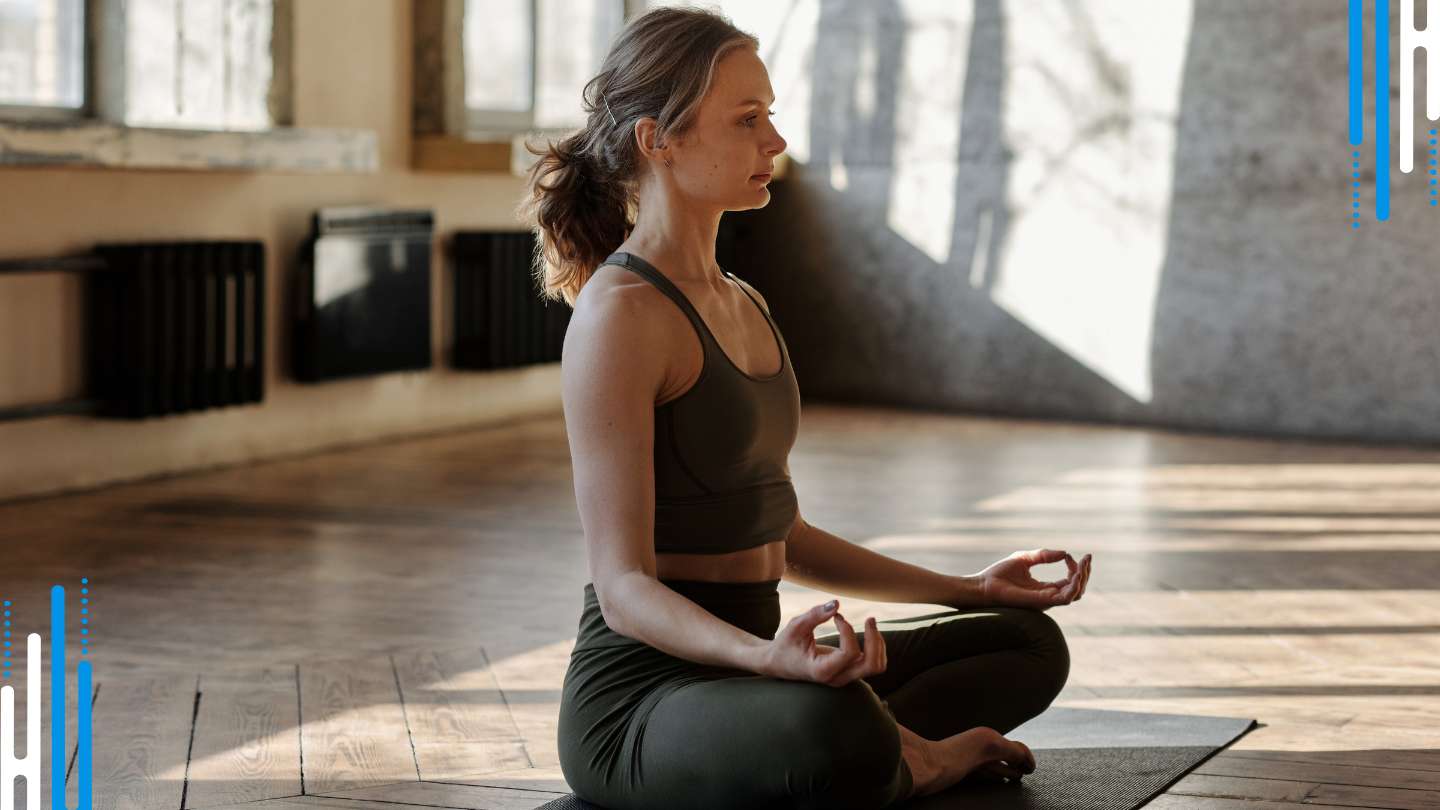
Mindfulness and meditation are powerful tools for anxiety reduction. Mindfulness involves paying attention to the present moment without judgment, while meditation involves focusing the mind and achieving a state of deep relaxation.
Research has shown that mindfulness and meditation can help reduce anxiety by promoting a sense of calm and relaxation. These practices can also help individuals develop a greater awareness of their thoughts and emotions, allowing them to respond to anxiety-provoking situations more effectively.
Incorporating mindfulness and meditation into your self-care routine can be as simple as setting aside a few minutes each day to practice deep breathing exercises or engaging in guided meditation sessions. There are also numerous mindfulness apps and online resources available to help you get started.
Sleep plays a crucial role in anxiety management. Lack of sleep or poor sleep quality can significantly impact our mental health and increase our vulnerability to anxiety.
Research has shown that individuals with anxiety disorders often experience disrupted sleep patterns, including difficulty falling asleep, staying asleep, or experiencing restful sleep. On the other hand, getting enough quality sleep can help regulate our emotions, reduce stress levels, and improve overall mental well-being.
To improve sleep quality as part of your self-care routine, it is important to establish a consistent sleep schedule, create a relaxing bedtime routine, and create a sleep-friendly environment. This may include avoiding caffeine and electronic devices before bed, practicing relaxation techniques such as deep breathing or meditation, and ensuring your bedroom is cool, dark, and quiet.
Nutrition plays a significant role in anxiety management. Certain foods and nutrients have been shown to either exacerbate or alleviate anxiety symptoms.
For example, consuming excessive amounts of caffeine or sugar can increase feelings of anxiety and restlessness. On the other hand, incorporating foods rich in omega-3 fatty acids, such as fatty fish, walnuts, and flaxseeds, can help reduce inflammation in the brain and promote a sense of calm.
Incorporating a balanced diet that includes plenty of fruits, vegetables, whole grains, lean proteins, and healthy fats can support anxiety reduction as part of your self-care routine. It is also important to listen to your body and pay attention to how certain foods make you feel, as individual responses to food can vary.
Engaging in creative activities can be a powerful form of self-care for anxiety relief. Creative activities such as painting, writing, playing an instrument, or gardening can help reduce anxiety by providing a sense of focus, distraction, and self-expression.
Research has shown that engaging in creative activities can promote relaxation, improve mood, and reduce stress levels. These activities allow individuals to tap into their creativity and engage in a state of flow, where they are fully absorbed in the present moment.
Incorporating creative activities into your self-care routine can be as simple as setting aside dedicated time each week for pursuing a hobby or exploring new creative outlets. The key is to find activities that bring you joy and allow you to express yourself freely.
Building and maintaining strong relationships is an important aspect of self-care for anxiety reduction. Social support plays a crucial role in managing anxiety and promoting overall mental well-being.
Research has consistently shown that individuals with strong social connections have lower levels of anxiety and better mental health outcomes. Having a support system in place can provide comfort, reassurance, and a sense of belonging, which can help reduce feelings of anxiety and isolation.
To build strong relationships as part of your self-care routine, it is important to prioritize quality time with loved ones, engage in open and honest communication, and seek out social activities that bring you joy. It is also important to set boundaries and surround yourself with positive influences that support your mental health.
In conclusion, self-care is a powerful tool for anxiety reduction. By prioritizing activities and habits that promote physical, mental, and emotional well-being, we can effectively manage anxiety and improve our overall mental health.
Creating a personalized self-care routine involves identifying your needs, starting small, being consistent, and prioritizing self-care. Regular exercise, mindfulness and meditation, quality sleep, nutrition, engaging in creative activities, and building strong relationships are all important components of a comprehensive self-care routine for anxiety management.
It is important to remember that self-care is not a one-size-fits-all approach. What works for one person may not work for another. Therefore, it is crucial to explore different self-care practices and find what resonates with you personally.
By incorporating self-care into your daily life and making it a long-term commitment, you can effectively manage anxiety and improve your overall well-being. Remember to be patient with yourself and give yourself permission to prioritize your own needs. Your mental health matters, and practicing self-care is an essential step towards achieving optimal anxiety management.
If you’re looking for ways to practice self-care and reduce anxiety, you may also find this article on safely tapering off paroxetine helpful. It provides a comprehensive guide to minimizing withdrawal symptoms while discontinuing the use of this medication. Taking care of your mental health is crucial, and understanding how to safely manage medication changes is an important aspect of self-care. Check out the article here for more information. And if you’re interested in exploring other topics related to mental health and well-being, be sure to visit benzodoc.com for a wide range of informative articles. Additionally, if you’re looking for a fitness trainer to help you incorporate exercise into your self-care routine, don’t forget to check out their fitness trainer checkout page.

Dr. Leeds specializes in the Ashton Method, a well-established and evidence-based protocol for tapering off benzodiazepines. Developed by the renowned Dr. Heather Ashton, the Ashton Method provides a structured and safe approach to gradually reducing benzodiazepine dosages, minimizing withdrawal symptoms, and ultimately achieving freedom from these medications.
Contact Us for expert guidance on safely tapering off benzodiazepines and reclaiming your life.