

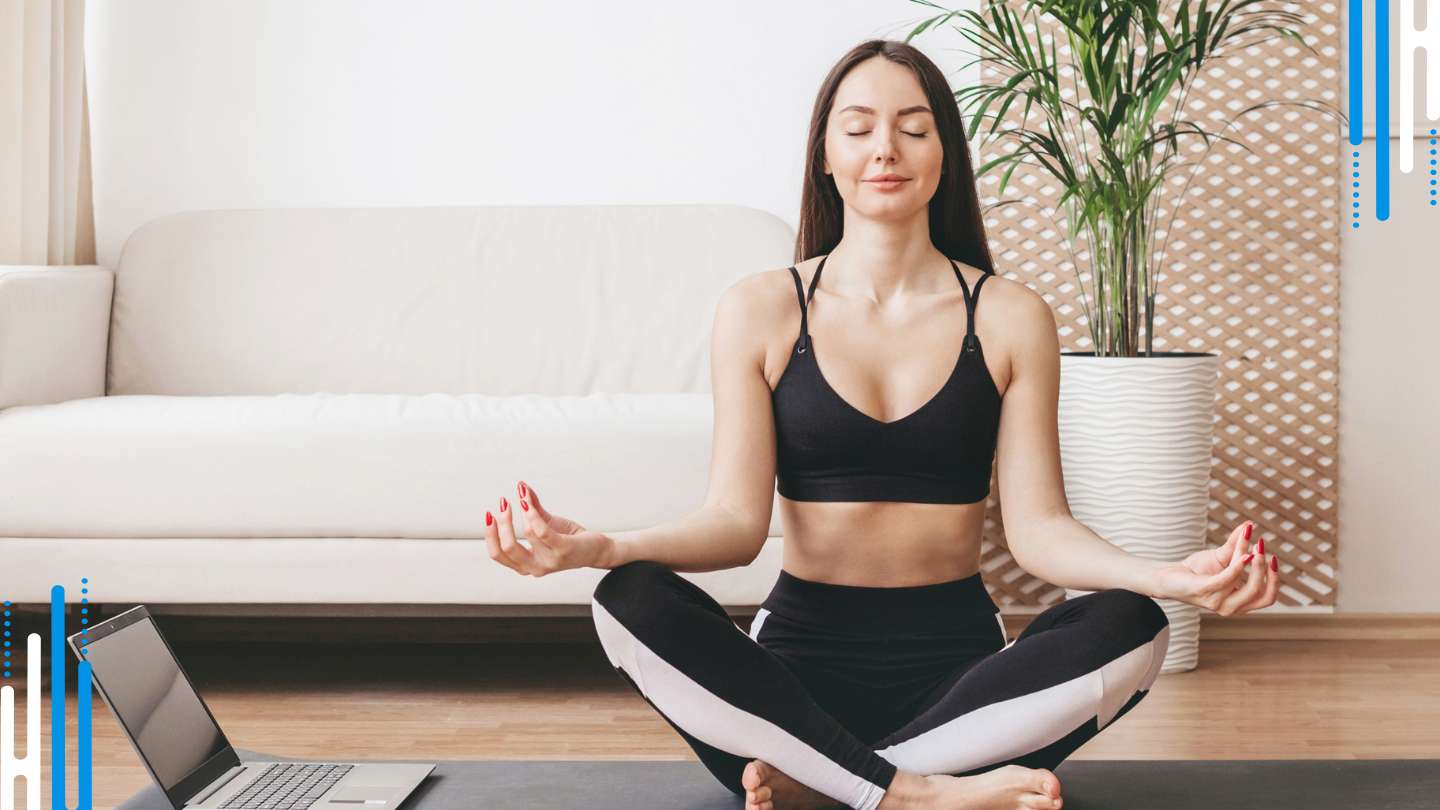
In today’s fast-paced and stressful world, finding time to relax and unwind is more important than ever. Relaxation practice is not only a way to de-stress and find inner peace, but it also has a direct impact on our sleep quality and overall well-being. By incorporating relaxation techniques into our daily routine, we can improve our sleep, reduce anxiety, and enhance our overall physical and mental health.
Relaxation practice refers to any activity or technique that helps to calm the mind and relax the body. It can include activities such as deep breathing, meditation, yoga, or even taking a warm bath. The benefits of relaxation practice are numerous. It can help to reduce stress and anxiety, lower blood pressure, improve concentration and focus, and promote a sense of well-being.
One of the key benefits of relaxation practice is its ability to reduce stress and anxiety. When we are stressed or anxious, our bodies release stress hormones such as cortisol, which can have a negative impact on our sleep quality. By practicing relaxation techniques regularly, we can lower our stress levels and promote a state of calmness and relaxation, making it easier for us to fall asleep and stay asleep throughout the night.
Bedtime anxiety is a common problem that many people face. It can be caused by a variety of factors, including stress, worry, fear, or even an overactive mind. When we are anxious at bedtime, it can be difficult to relax and fall asleep. This can lead to sleep disturbances and poor sleep quality.
Stress is one of the most common causes of bedtime anxiety. Whether it’s work-related stress, relationship problems, or financial worries, stress can keep our minds racing at night and prevent us from getting the restful sleep we need. Worry and fear are also common causes of bedtime anxiety. We may worry about the events of the day or fear what tomorrow may bring. These thoughts can keep us awake and make it difficult to relax and fall asleep.
There is a strong connection between relaxation and sleep quality. When we are relaxed, our bodies are better able to enter a state of rest and repair, which is essential for a good night’s sleep. On the other hand, when we are stressed or anxious, our bodies remain in a state of alertness, making it difficult to fall asleep and stay asleep throughout the night.
Relaxation techniques can help to promote a state of relaxation and calmness, making it easier for us to fall asleep and stay asleep. By practicing relaxation techniques before bedtime, we can signal to our bodies that it is time to wind down and prepare for sleep. This can help to reduce the time it takes us to fall asleep and improve the overall quality of our sleep.
There are many simple relaxation techniques that you can try at home to promote relaxation and improve sleep quality. One of the most effective techniques is deep breathing. Deep breathing involves taking slow, deep breaths in through your nose and out through your mouth. This can help to slow down your heart rate, relax your muscles, and calm your mind.
Another effective relaxation technique is visualization. Visualization involves creating a mental image of a peaceful and relaxing place. Close your eyes and imagine yourself in this place, focusing on the sights, sounds, and smells. This can help to distract your mind from any anxious thoughts and promote a sense of calmness and relaxation.
Progressive muscle relaxation is another technique that can help to promote relaxation and improve sleep quality. This technique involves tensing and then releasing each muscle group in your body, starting from your toes and working your way up to your head. This can help to release tension and promote a state of relaxation in your body.
Guided meditation is a powerful tool for reducing bedtime anxiety and promoting relaxation. Guided meditations are audio recordings that guide you through a meditation practice, helping you to focus your mind and relax your body. These recordings often include soothing music and calming voiceovers that can help to create a peaceful and relaxing environment.
Guided meditations can be found online or through various meditation apps. When practicing guided meditation, find a quiet and comfortable space where you can relax without distractions. Close your eyes, listen to the guided meditation, and follow along with the instructions. Allow yourself to fully immerse in the experience and let go of any anxious thoughts or worries.
Breathing exercises are another effective way to promote relaxation and calmness. By focusing on your breath, you can help to slow down your heart rate, relax your muscles, and calm your mind. One simple breathing exercise is the 4-7-8 technique. To practice this technique, inhale deeply through your nose for a count of 4, hold your breath for a count of 7, and exhale slowly through your mouth for a count of 8. Repeat this cycle several times until you feel more relaxed.
Another effective breathing exercise is belly breathing. This involves placing one hand on your belly and the other on your chest. Take a deep breath in through your nose, allowing your belly to rise as you fill your lungs with air. Exhale slowly through your mouth, allowing your belly to fall as you release the air. Repeat this cycle several times, focusing on the sensation of your breath moving in and out of your body.
Progressive muscle relaxation is a technique that involves tensing and then releasing each muscle group in your body to promote relaxation and better sleep. To practice progressive muscle relaxation, find a quiet and comfortable space where you can lie down. Start by tensing the muscles in your toes and feet for a few seconds, then release the tension and allow the muscles to relax. Move on to your calves, thighs, buttocks, abdomen, chest, arms, and finally your face and neck. Take your time with each muscle group, focusing on the sensation of tension and relaxation. This technique can help to release physical tension and promote a state of relaxation in your body.
Yoga and stretching are excellent practices for promoting relaxation and reducing stress. These practices involve gentle movements and stretches that help to release tension in the body and promote a sense of calmness and well-being.
Some yoga poses that are particularly beneficial for relaxation include Child’s Pose, Legs-Up-The-Wall Pose, and Corpse Pose. Child’s Pose involves kneeling on the floor with your knees wide apart and your toes touching. Lower your torso between your thighs and extend your arms forward, resting your forehead on the floor. This pose helps to release tension in the back and shoulders and promotes a sense of calmness.
Legs-Up-The-Wall Pose involves lying on your back with your legs extended up against a wall. This pose helps to improve circulation, reduce swelling in the legs, and promote relaxation. Corpse Pose involves lying flat on your back with your arms by your sides and your legs extended. This pose helps to release tension in the body and promote deep relaxation.
Creating a relaxing bedtime routine is essential for promoting better sleep. A bedtime routine helps to signal to your body that it is time to wind down and prepare for sleep. It can include activities such as reading a book, taking a warm bath, practicing relaxation techniques, or listening to calming music.
Start by setting a consistent bedtime and wake-up time, even on weekends. This helps to regulate your body’s internal clock and promote a regular sleep schedule. About an hour before bedtime, start to wind down by engaging in relaxing activities. Avoid stimulating activities such as watching TV or using electronic devices, as the blue light emitted from these devices can interfere with your sleep.
Instead, opt for activities that promote relaxation and calmness. Take a warm bath or shower to relax your muscles and prepare your body for sleep. Practice relaxation techniques such as deep breathing or guided meditation to calm your mind and promote a state of relaxation. Read a book or listen to calming music to help you unwind and prepare for sleep.
Regular relaxation practice has numerous benefits for overall well-being. It can improve both physical and mental health, reduce stress and anxiety, enhance sleep quality, and promote a sense of well-being.
Physically, relaxation practice can help to lower blood pressure, reduce muscle tension, improve digestion, and boost the immune system. Mentally, it can help to reduce anxiety and depression, improve concentration and focus, enhance creativity, and promote a positive outlook on life.
Regular relaxation practice can also have long-term benefits on overall well-being. By incorporating relaxation techniques into your daily routine, you can develop healthy coping mechanisms for stress and anxiety. This can help to prevent the negative effects of chronic stress on your physical and mental health.
In conclusion, relaxation practice is an essential tool for promoting better sleep and overall well-being. By incorporating simple relaxation techniques into your daily routine, you can reduce stress and anxiety, improve sleep quality, and enhance your physical and mental health. Whether it’s deep breathing, guided meditation, progressive muscle relaxation, yoga, or stretching, find the techniques that work best for you and make them a regular part of your routine. Your mind and body will thank you for it.
If you’re struggling with anxiety and looking for ways to reduce it before bed, practicing progressive relaxation can be incredibly helpful. This technique involves systematically tensing and then relaxing different muscle groups in your body, promoting a sense of calm and relaxation. To further explore the topic of managing anxiety and withdrawal symptoms, you may find the article “Finding Freedom from Benzodiazepine Dependence in Fort Lauderdale, Florida” on benzodoc.com informative. This article provides valuable insights into overcoming benzodiazepine dependence and finding support in Fort Lauderdale.

Dr. Leeds specializes in the Ashton Method, a well-established and evidence-based protocol for tapering off benzodiazepines. Developed by the renowned Dr. Heather Ashton, the Ashton Method provides a structured and safe approach to gradually reducing benzodiazepine dosages, minimizing withdrawal symptoms, and ultimately achieving freedom from these medications.
Contact Us for expert guidance on safely tapering off benzodiazepines and reclaiming your life.