Elavil, also known as amitriptyline, is a medication primarily used to treat depression. It belongs to a class of drugs called tricyclic antidepressants and works by increasing the levels of certain chemicals in the brain that help improve mood. In addition to depression, Elavil is also prescribed for other conditions such as anxiety, insomnia, and chronic pain.
Tapering off Elavil is an important process that should be done under medical supervision. Abruptly stopping the medication can lead to withdrawal symptoms and potentially worsen the condition it was originally prescribed for. Working with a healthcare professional who specializes in deprescribing can ensure a safe and effective tapering process.
Understanding Elavil and its Effects on the Body
Elavil works by blocking the reuptake of certain neurotransmitters, such as serotonin and norepinephrine, in the brain. This increases the levels of these chemicals, which can help improve mood and alleviate symptoms of depression. However, this mechanism of action can also lead to side effects.
Common side effects of Elavil include drowsiness, dry mouth, blurred vision, constipation, and urinary retention. These side effects are usually temporary and may diminish over time as the body adjusts to the medication. However, if they persist or become bothersome, it is important to consult with a healthcare professional.
Long-term use of Elavil has been associated with certain risks and potential adverse effects. Prolonged use of tricyclic antidepressants like Elavil can lead to weight gain, sexual dysfunction, and an increased risk of cardiovascular events. It is important for individuals taking Elavil long-term to regularly monitor their health and discuss any concerns with their healthcare provider.
The Ashton Manual: A Comprehensive Guide to Tapering Off Elavil
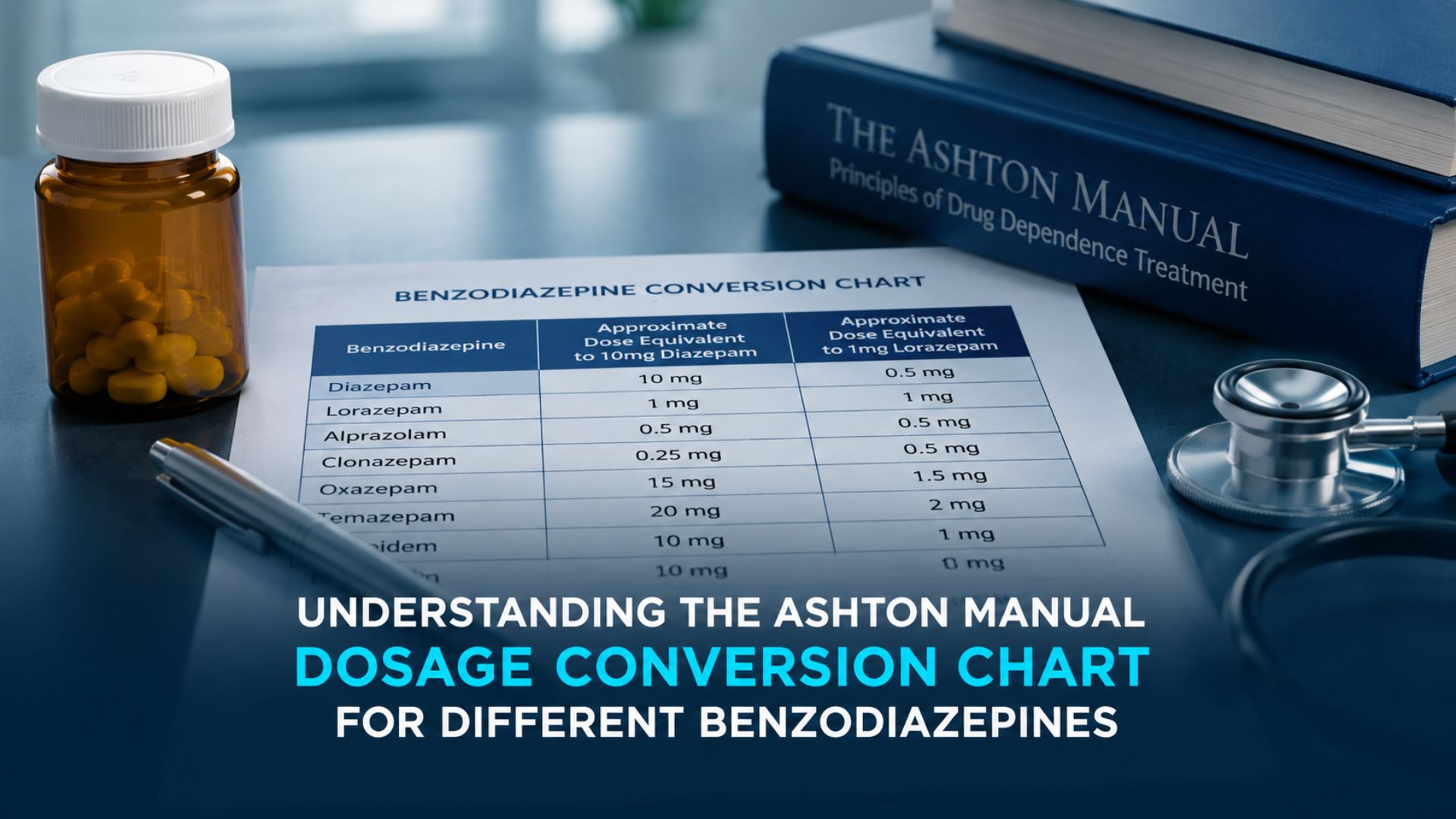
The Ashton Manual is a widely recognized resource for individuals looking to taper off various medications, including Elavil. It was developed by Professor Heather Ashton, a leading expert in the field of psychopharmacology. The manual provides a step-by-step guide to tapering off medications and offers valuable information on withdrawal symptoms and strategies for managing them.
Tapering off Elavil should be done gradually to minimize the risk of withdrawal symptoms. The Ashton Manual recommends reducing the dosage by 10% every 1-2 weeks. This slow tapering process allows the body to adjust to the decreasing levels of the medication and reduces the likelihood of experiencing withdrawal symptoms.
It is important to follow the Ashton Manual under medical supervision. A healthcare professional can provide guidance and support throughout the tapering process, monitor for any potential complications, and make adjustments to the tapering schedule if necessary. They can also provide additional resources and strategies for managing withdrawal symptoms.
The Role of a Deprescribing Doctor in Tapering Off Elavil
A deprescribing doctor is a healthcare professional who specializes in helping individuals safely reduce or discontinue medications that are no longer necessary or may be causing harm. They have expertise in tapering off medications and can provide personalized guidance based on an individual’s specific needs and circumstances.
When it comes to tapering off Elavil, a deprescribing doctor can play a crucial role in ensuring a safe and effective process. They can assess an individual’s overall health, review their medication history, and develop a personalized tapering plan that takes into account any potential risks or complications.
Finding a deprescribing doctor may require some research and effort. It is important to seek out healthcare professionals who have experience and expertise in deprescribing and are familiar with the specific medication being tapered off. Online resources, patient advocacy groups, and local healthcare networks can be helpful in finding a deprescribing doctor in your area.
Gradual Medically Supervised Drug Tapering: A Safe and Effective Approach
Gradual tapering off Elavil is considered the safest and most effective approach. Abruptly stopping the medication can lead to withdrawal symptoms such as nausea, headache, dizziness, and irritability. These symptoms can be uncomfortable and potentially severe, making it difficult to successfully discontinue the medication.
Medically supervised tapering involves working closely with a healthcare professional who can monitor the tapering process and provide support along the way. They can help adjust the tapering schedule if needed, address any concerns or complications that arise, and provide guidance on managing withdrawal symptoms.
The benefits of medically supervised tapering extend beyond minimizing withdrawal symptoms. A healthcare professional can also assess an individual’s overall health and make recommendations for alternative treatments or strategies to manage the condition for which Elavil was originally prescribed. This holistic approach ensures that the individual’s needs are met throughout the tapering process.
Preventing Protracted Withdrawal: Tips and Strategies

Protracted withdrawal refers to a prolonged period of withdrawal symptoms that can persist for weeks or even months after discontinuing a medication. It is important to take steps to prevent protracted withdrawal when tapering off Elavil.
One strategy for preventing protracted withdrawal is to taper off the medication slowly and gradually. This allows the body to adjust to the decreasing levels of the medication and reduces the likelihood of experiencing severe withdrawal symptoms.
Another important strategy is to practice self-care during the tapering process. This includes getting enough rest, eating a balanced diet, engaging in regular exercise, and managing stress through relaxation techniques such as meditation or deep breathing exercises. Taking care of one’s physical and mental well-being can help minimize withdrawal symptoms and support overall health during the tapering process.
Addressing Withdrawal Symptoms: Coping Mechanisms and Self-Care Practices
Withdrawal symptoms are common when tapering off Elavil, but there are coping mechanisms and self-care practices that can help alleviate discomfort and support the tapering process.
Common withdrawal symptoms of Elavil include headache, nausea, dizziness, irritability, and sleep disturbances. To cope with these symptoms, it can be helpful to engage in relaxation techniques such as deep breathing exercises or progressive muscle relaxation. These techniques can help reduce anxiety and promote a sense of calm.
Self-care practices such as maintaining a healthy diet, staying hydrated, and getting regular exercise can also support the tapering process. It is important to listen to one’s body and rest when needed. Taking breaks throughout the day and engaging in activities that bring joy and relaxation can also help alleviate withdrawal symptoms.
The Benefits of Compounded Medications Designed for Tapering Off Elavil
Compounded medications are customized medications that are prepared by a compounding pharmacy according to a healthcare professional’s prescription. They can be particularly beneficial for individuals tapering off Elavil.
Compounded medications allow for precise dosing adjustments, which is important when tapering off a medication like Elavil. A compounding pharmacy can prepare medications in smaller doses or different formulations to accommodate the specific needs of an individual during the tapering process.
In addition, compounded medications can be formulated to minimize potential side effects or withdrawal symptoms. For example, a compounding pharmacy may be able to create a slow-release formulation of Elavil that can help reduce the risk of withdrawal symptoms during the tapering process.
The Importance of Patience and Perseverance in the Tapering Process
Tapering off Elavil can be a long process that requires patience and perseverance. It is important to remember that everyone’s journey is unique and progress may not always be linear.
The tapering process may involve ups and downs, with some days feeling more challenging than others. It is important to celebrate small victories along the way and acknowledge the progress that has been made, even if it feels slow at times.
Having a support system in place can also be beneficial during the tapering process. This can include friends, family members, or support groups who can provide encouragement and understanding. It is important to communicate openly with loved ones about the tapering process and any challenges or concerns that arise.
Achieving Success in Tapering Off Elavil
Tapering off Elavil is an important process that should be done under medical supervision. The Ashton Manual provides a comprehensive guide to tapering off medications like Elavil, and working with a deprescribing doctor can ensure a safe and effective tapering process.
Gradual tapering, supported by a healthcare professional, is the safest approach to minimize withdrawal symptoms and potential complications. Strategies such as practicing self-care, addressing withdrawal symptoms, and considering compounded medications can further support the tapering process.
Patience and perseverance are key during the tapering process, and celebrating small victories along the way can help maintain motivation. With the right support and guidance, individuals can successfully taper off Elavil and find alternative treatments or strategies to manage their condition.
If you’re looking for information on how to safely taper off Elavil, you may find this article on finding freedom from benzodiazepine dependence in Fort Lauderdale, Florida helpful. It provides valuable insights and resources for individuals seeking support and guidance in overcoming benzodiazepine addiction. Check it out here.
FAQs
What is Elavil?
Elavil is a brand name for the drug amitriptyline, which is a tricyclic antidepressant used to treat depression, anxiety, and other mental health conditions.
What is an Elavil taper?
An Elavil taper is a gradual reduction in the dosage of amitriptyline over a period of time, in order to safely discontinue the medication and avoid withdrawal symptoms.
Why is a safe Elavil taper important?
A safe Elavil taper is important because abruptly stopping the medication can cause withdrawal symptoms such as nausea, headache, and insomnia. A gradual taper can help minimize these symptoms and ensure a safe discontinuation of the medication.
How is an Elavil taper done?
An Elavil taper is typically done under the guidance of a healthcare provider, who will gradually reduce the dosage of the medication over a period of weeks or months. The taper schedule may vary depending on the individual’s dosage and response to the medication.
What are the potential risks of an Elavil taper?
The potential risks of an Elavil taper include withdrawal symptoms, relapse of the underlying mental health condition, and the potential for drug interactions if the individual is taking other medications.
Who should not undergo an Elavil taper?
Individuals who are currently experiencing severe depression or suicidal thoughts should not undergo an Elavil taper without close supervision from a healthcare provider. Additionally, individuals who have a history of seizures or heart problems may not be good candidates for an Elavil taper.