

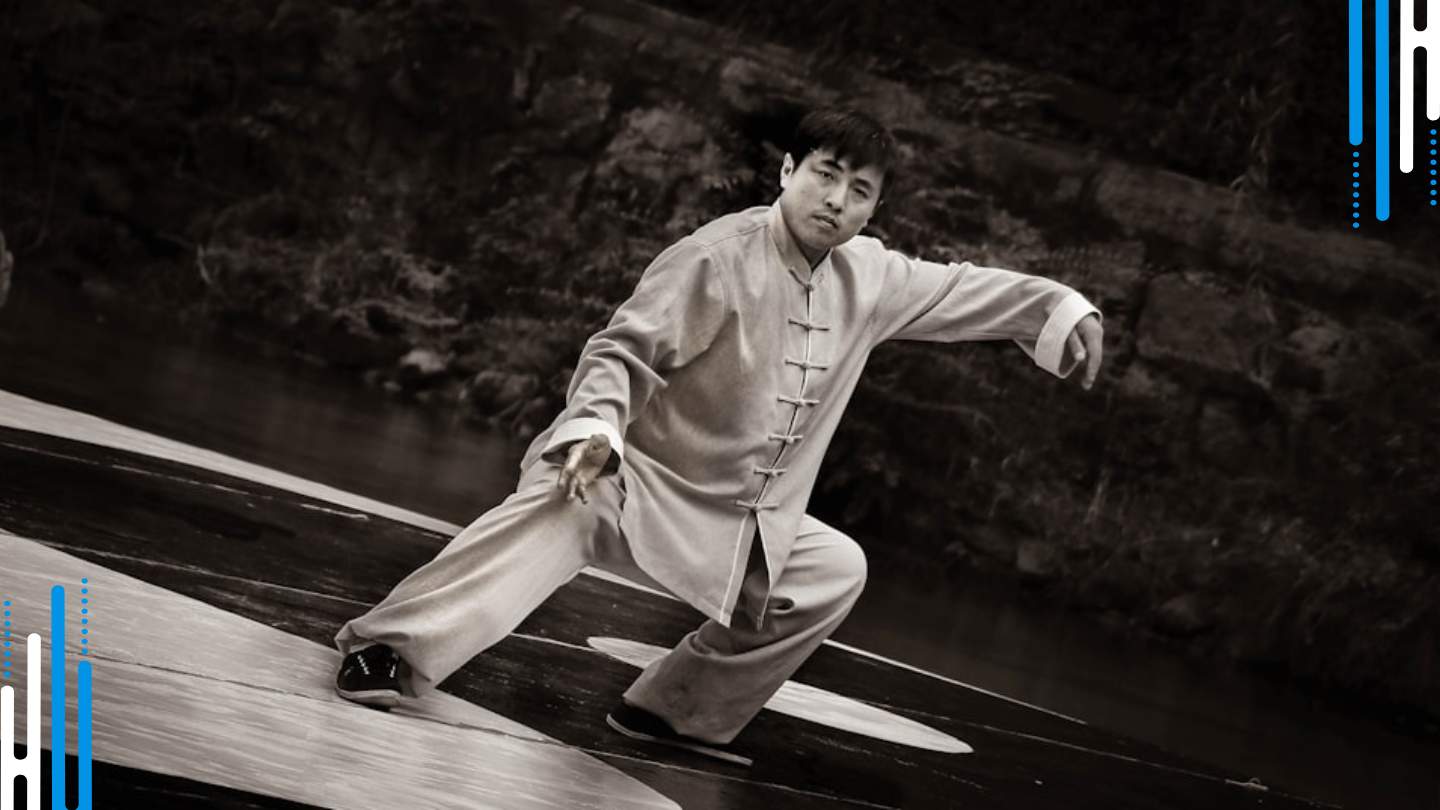
Tai Chi is a traditional Chinese martial art that combines slow, flowing movements with deep breathing and meditation. It is often referred to as “moving meditation” because of its focus on mindfulness and the mind-body connection. Tai Chi has been practiced for centuries and is known for its numerous health benefits, including improved balance, flexibility, and mental well-being.
In recent years, Tai Chi has gained recognition as a valuable tool for managing withdrawal symptoms, particularly those associated with benzodiazepine withdrawal. Benzodiazepines are a class of medications commonly prescribed for anxiety, insomnia, and other conditions. However, they can be highly addictive and can lead to dependence and withdrawal symptoms when used long-term or in high doses.
Benzodiazepine withdrawal symptoms can vary in severity and duration depending on factors such as the individual’s dosage, duration of use, and overall health. Common symptoms include anxiety, insomnia, irritability, muscle tension, headaches, nausea, and difficulty concentrating. These symptoms can be extremely uncomfortable and can significantly impact a person’s quality of life during the withdrawal process.
Tai Chi can be an effective tool for managing benzodiazepine withdrawal symptoms due to its holistic approach to healing the mind and body. The slow, deliberate movements of Tai Chi help to calm the nervous system and reduce anxiety and tension in the body. The deep breathing exercises promote relaxation and help to regulate the body’s stress response.
Research studies have shown that practicing Tai Chi can significantly reduce withdrawal symptoms in individuals going through benzodiazepine withdrawal. One study published in the Journal of Clinical Psychiatry found that participants who practiced Tai Chi experienced a significant reduction in anxiety and insomnia compared to those who did not practice Tai Chi. Another study published in the Journal of Alternative and Complementary Medicine found that Tai Chi improved mood and reduced withdrawal symptoms in individuals undergoing benzodiazepine withdrawal.
Anxiety is one of the most common and distressing symptoms experienced during benzodiazepine withdrawal. The slow, rhythmic movements of Tai Chi help to calm the mind and promote a sense of relaxation and inner peace. The deep breathing exercises in Tai Chi also help to regulate the body’s stress response and reduce anxiety.
Research studies have shown that practicing Tai Chi can significantly reduce anxiety in individuals going through benzodiazepine withdrawal. A study published in the Journal of Clinical Psychiatry found that participants who practiced Tai Chi experienced a significant reduction in anxiety compared to those who did not practice Tai Chi. Another study published in the Journal of Alternative and Complementary Medicine found that Tai Chi reduced anxiety and improved mood in individuals undergoing benzodiazepine withdrawal.
Insomnia is another common symptom experienced during benzodiazepine withdrawal. The slow, gentle movements of Tai Chi help to relax the body and promote a sense of calmness, making it easier to fall asleep and stay asleep. The deep breathing exercises in Tai Chi also help to regulate the body’s sleep-wake cycle and promote restful sleep.
Research studies have shown that practicing Tai Chi can significantly improve sleep quality in individuals going through benzodiazepine withdrawal. A study published in the Journal of Clinical Psychiatry found that participants who practiced Tai Chi experienced a significant reduction in insomnia compared to those who did not practice Tai Chi. Another study published in the Journal of Alternative and Complementary Medicine found that Tai Chi improved sleep quality and reduced insomnia in individuals undergoing benzodiazepine withdrawal.
Mood swings and emotional instability are common symptoms experienced during benzodiazepine withdrawal. The slow, controlled movements of Tai Chi help to regulate the body’s energy and promote a sense of emotional balance and stability. The mindfulness aspect of Tai Chi also helps individuals to become more aware of their emotions and to respond to them in a more constructive way.
Research studies have shown that practicing Tai Chi can significantly improve mood and reduce emotional instability in individuals going through benzodiazepine withdrawal. A study published in the Journal of Clinical Psychiatry found that participants who practiced Tai Chi experienced a significant improvement in mood compared to those who did not practice Tai Chi. Another study published in the Journal of Alternative and Complementary Medicine found that Tai Chi reduced mood swings and improved emotional well-being in individuals undergoing benzodiazepine withdrawal.
Cognitive impairment, such as difficulty concentrating and memory problems, is another common symptom experienced during benzodiazepine withdrawal. The slow, deliberate movements of Tai Chi help to improve blood flow to the brain and promote mental clarity and focus. The mindfulness aspect of Tai Chi also helps individuals to become more present and attentive, which can improve cognitive function.
Research studies have shown that practicing Tai Chi can significantly improve cognitive function in individuals going through benzodiazepine withdrawal. A study published in the Journal of Clinical Psychiatry found that participants who practiced Tai Chi experienced a significant improvement in cognitive function compared to those who did not practice Tai Chi. Another study published in the Journal of Alternative and Complementary Medicine found that Tai Chi improved attention and memory in individuals undergoing benzodiazepine withdrawal.
In addition to the psychological symptoms, benzodiazepine withdrawal can also cause physical symptoms such as muscle tension, headaches, and nausea. The slow, gentle movements of Tai Chi help to release tension in the muscles and promote relaxation throughout the body. The deep breathing exercises in Tai Chi also help to increase oxygen flow to the muscles and reduce pain and discomfort.
Research studies have shown that practicing Tai Chi can significantly reduce physical symptoms in individuals going through benzodiazepine withdrawal. A study published in the Journal of Clinical Psychiatry found that participants who practiced Tai Chi experienced a significant reduction in muscle tension, headaches, and nausea compared to those who did not practice Tai Chi. Another study published in the Journal of Alternative and Complementary Medicine found that Tai Chi reduced pain and improved physical well-being in individuals undergoing benzodiazepine withdrawal.
The mind-body connection is often disrupted during benzodiazepine withdrawal, leading to a sense of disconnection and imbalance. The slow, deliberate movements of Tai Chi help individuals to become more aware of their bodies and to reconnect with themselves on a deeper level. The mindfulness aspect of Tai Chi also helps individuals to become more present and attuned to their physical sensations and emotions.
Research studies have shown that practicing Tai Chi can significantly improve the mind-body connection in individuals going through benzodiazepine withdrawal. A study published in the Journal of Clinical Psychiatry found that participants who practiced Tai Chi experienced a significant improvement in body awareness and self-acceptance compared to those who did not practice Tai Chi. Another study published in the Journal of Alternative and Complementary Medicine found that Tai Chi improved self-perception and body image in individuals undergoing benzodiazepine withdrawal.
In conclusion, Tai Chi is a valuable tool for managing benzodiazepine withdrawal symptoms due to its holistic approach to healing the mind and body. It can help reduce anxiety, improve sleep quality, stabilize mood, enhance cognitive function, manage physical symptoms, and improve the mind-body connection. Research studies have consistently shown the effectiveness of Tai Chi in reducing withdrawal symptoms and improving overall well-being during the withdrawal process.
If you are currently going through benzodiazepine withdrawal, I encourage you to consider incorporating Tai Chi into your withdrawal symptom management plan. It is a gentle, low-impact exercise that can be practiced by individuals of all ages and fitness levels. Whether you choose to practice Tai Chi in a group setting or on your own, the benefits are undeniable. Give yourself the gift of healing and take the first step towards a healthier, more balanced life.
If you’re interested in learning more about safe and effective tapering off medications, such as Celexa, Duloxetine, and Bupropion, you may find this article on benzodoc.com helpful. It provides a comprehensive guide to gradual withdrawal from Celexa, offering safe steps to taper off the medication. For those looking to taper off Duloxetine, there is another article that offers tips and strategies for a safe and effective tapering process. Additionally, if you’re considering tapering off Bupropion, benzodoc.com has a step-by-step guide that can assist you in doing so safely and effectively. Check out these resources to gain valuable insights into the process of medication withdrawal.

Dr. Leeds specializes in the Ashton Method, a well-established and evidence-based protocol for tapering off benzodiazepines. Developed by the renowned Dr. Heather Ashton, the Ashton Method provides a structured and safe approach to gradually reducing benzodiazepine dosages, minimizing withdrawal symptoms, and ultimately achieving freedom from these medications.
Contact Us for expert guidance on safely tapering off benzodiazepines and reclaiming your life.