

Benzodiazepine withdrawal can be a challenging and difficult process, both physically and mentally. The symptoms of withdrawal can range from mild to severe, and can include anxiety, depression, insomnia, and even seizures. The impact on mental health during this time can be significant, as individuals may experience heightened levels of stress, fear, and uncertainty. It is important to explore various coping strategies that can support individuals during this time, and one such strategy is spirituality.
Spirituality is a broad concept that encompasses a sense of connection to something greater than oneself. It is often associated with religious beliefs and practices, but it can also be independent of any specific religious affiliation. Spirituality provides individuals with a sense of purpose and meaning in life, which can be particularly helpful during the challenging process of benzodiazepine withdrawal.
During withdrawal, individuals may feel lost or disconnected from themselves and the world around them. Spirituality can help individuals find a sense of grounding and provide them with a framework for understanding their experiences. It can offer solace and comfort during difficult times, and provide a sense of hope and optimism for the future.
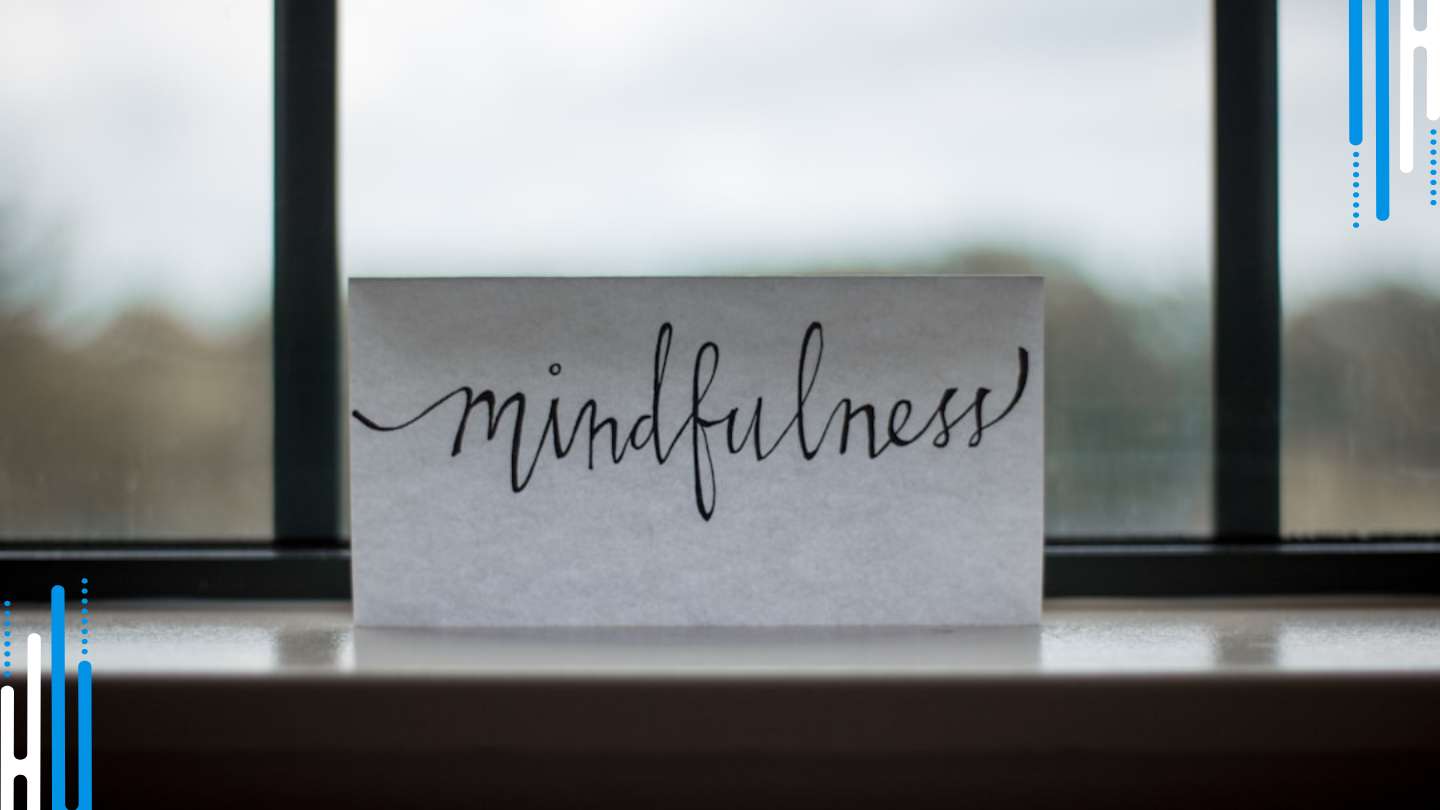
Mindfulness is the practice of being fully present in the moment, without judgment or attachment to thoughts or emotions. It has been shown to be effective in reducing anxiety and stress, which are common symptoms experienced during benzodiazepine withdrawal.
Practicing mindfulness involves bringing attention to the present moment, noticing thoughts and sensations without getting caught up in them. This can help individuals develop a greater awareness of their own experiences and cultivate a sense of acceptance and non-judgment.
There are various techniques for practicing mindfulness, such as deep breathing exercises, body scans, and guided meditations. These techniques can be helpful in reducing anxiety and promoting relaxation during withdrawal.
Meditation and prayer are practices that can help individuals develop a positive mindset during benzodiazepine withdrawal. These practices can provide individuals with a sense of peace and acceptance, even in the midst of difficult circumstances.
Meditation involves focusing the mind on a particular object, thought, or activity, in order to achieve a state of mental clarity and emotional calm. It can help individuals cultivate a positive mindset by promoting self-awareness, self-compassion, and gratitude.
Prayer is a form of communication with a higher power or divine entity. It can provide individuals with a sense of comfort and support during withdrawal, and can help them develop a positive mindset by fostering a sense of trust and surrender.
Social support is crucial during the recovery process, as it provides individuals with a sense of belonging and connection. It can help individuals feel understood and validated, and can provide them with practical assistance and guidance.
Spirituality can play a significant role in social support, as it often involves being part of a community or group that shares similar beliefs and values. This sense of belonging can be particularly helpful during benzodiazepine withdrawal, as individuals may feel isolated or misunderstood by others.
In addition to community support, spirituality can also provide individuals with a sense of connection to something greater than themselves. This connection can offer comfort and solace during difficult times, and can provide individuals with a sense of purpose and meaning in life.
One of the challenges individuals face during benzodiazepine withdrawal is finding meaning and purpose in life. The process of withdrawal can be overwhelming and disorienting, and individuals may question their identity and purpose.
Spirituality can help individuals find meaning and purpose by providing them with a framework for understanding their experiences. It can offer guidance and direction, and can help individuals align their values with their recovery goals.
By exploring their spirituality, individuals can gain a deeper understanding of themselves and their place in the world. This can provide them with a sense of purpose and direction, and can help them navigate the challenges of withdrawal with greater resilience and determination.
Yoga and exercise can be effective tools for coping with withdrawal symptoms. They can help individuals reduce anxiety and stress, improve sleep quality, and promote overall well-being.
Yoga is a mind-body practice that combines physical postures, breathing exercises, and meditation. It can help individuals develop a greater awareness of their bodies and their breath, which can be particularly helpful during withdrawal.
Exercise, such as walking, jogging, or swimming, can also be beneficial during benzodiazepine withdrawal. It can help individuals release tension and stress, improve mood, and promote better sleep.
Spirituality can enhance the mind-body connection during recovery by providing individuals with a sense of purpose and meaning in their physical activities. By approaching yoga and exercise as spiritual practices, individuals can cultivate a deeper sense of connection to themselves and the world around them.
Fear and uncertainty are common emotions experienced during benzodiazepine withdrawal. These emotions can be overwhelming and paralyzing, making it difficult for individuals to move forward in their recovery.
Faith and belief are important aspects of spirituality that can help individuals overcome fear and uncertainty. By cultivating a sense of trust in themselves and the process of recovery, individuals can find the strength to face their fears and move forward.
Spirituality can provide individuals with a sense of hope and optimism during difficult times. It can remind them that they are not alone, and that there is a greater purpose to their experiences.
Forgiveness and gratitude are powerful practices that can aid in the healing process during benzodiazepine withdrawal. Forgiveness involves letting go of resentment and anger towards oneself and others, while gratitude involves acknowledging and appreciating the positive aspects of one’s life.
Spirituality can play a significant role in cultivating forgiveness and gratitude. By connecting to something greater than themselves, individuals can find the strength and compassion to forgive themselves and others for past mistakes.
Cultivating gratitude can also be a transformative practice during withdrawal. By focusing on the positive aspects of their lives, individuals can shift their perspective and develop a greater sense of appreciation for the present moment.
A holistic approach to recovery involves addressing the physical, mental, emotional, and spiritual aspects of an individual’s well-being. It recognizes that all of these aspects are interconnected and influence one another.
Integrating spirituality with medical treatment can enhance the recovery process during benzodiazepine withdrawal. By addressing the spiritual needs of individuals, healthcare providers can support their overall well-being and promote a sense of wholeness.
A holistic approach also encourages individuals to explore various coping strategies that support their recovery, such as mindfulness, meditation, prayer, social support, yoga, exercise, and forgiveness. By embracing a holistic approach, individuals can enhance their resilience and improve their chances of successful recovery.
Benzodiazepine withdrawal can be a challenging and difficult process, both physically and mentally. However, spirituality can provide individuals with a sense of purpose and meaning in life, which can be particularly helpful during this time. By exploring their spirituality, individuals can develop coping strategies that support their recovery and promote their overall well-being. It is important for individuals to recognize the importance of spirituality in benzodiazepine withdrawal and recovery, and to explore this aspect of themselves as a tool for healing.
If you’re interested in learning more about safe and effective tapering strategies for benzodiazepine withdrawal, you may also find our article on “Safe Steps to Tapering off Celexa: A Guide to Gradual Withdrawal” helpful. This comprehensive guide provides valuable insights and practical tips for safely reducing your Celexa dosage and managing withdrawal symptoms. Check it out here to gain a deeper understanding of the tapering process and ensure a smoother transition towards recovery.

Dr. Leeds specializes in the Ashton Method, a well-established and evidence-based protocol for tapering off benzodiazepines. Developed by the renowned Dr. Heather Ashton, the Ashton Method provides a structured and safe approach to gradually reducing benzodiazepine dosages, minimizing withdrawal symptoms, and ultimately achieving freedom from these medications.
Contact Us for expert guidance on safely tapering off benzodiazepines and reclaiming your life.