
Mixed Depressive and Anxiety Disorder, also known as Mixed Anxiety-Depressive Disorder (MADD), is a mental health condition that combines symptoms of both depression and anxiety. This disorder is characterized by a persistent low mood, feelings of worry and unease, and a range of physical and emotional symptoms that can significantly impact a person’s daily life. Individuals with MADD may experience a combination of symptoms from both depression and anxiety, making it challenging to diagnose and treat.
MADD is a relatively new diagnosis in the mental health field, and it is often misunderstood or misdiagnosed. The overlap of symptoms between depression and anxiety can make it difficult for healthcare professionals to accurately identify and treat the disorder. People with MADD may experience symptoms such as persistent sadness, irritability, restlessness, fatigue, difficulty concentrating, and sleep disturbances. It’s important to recognize that MADD is a distinct mental health condition that requires specialized treatment and support.
The symptoms of Mixed Depressive and Anxiety Disorder can vary from person to person, but they generally include a combination of depressive and anxiety-related symptoms. Individuals with MADD may experience persistent feelings of sadness, hopelessness, or emptiness, as well as excessive worry, fear, or unease. They may also have trouble concentrating, making decisions, or remembering things, and may feel irritable or on edge.
Physical symptoms such as fatigue, muscle tension, headaches, and digestive issues are also common in MADD. Sleep disturbances, including difficulty falling asleep or staying asleep, as well as changes in appetite or weight, are also prevalent. People with MADD may also experience a sense of detachment from themselves or their surroundings, as well as thoughts of self-harm or suicide.
It’s important to note that the symptoms of MADD can be severe and long-lasting, significantly impacting a person’s ability to function in their daily life. These symptoms can cause distress and impairment in various areas of life, including work, school, and relationships.
The exact causes of Mixed Depressive and Anxiety Disorder are not fully understood, but it is believed to be a combination of genetic, biological, environmental, and psychological factors. Individuals with a family history of depression or anxiety disorders may be at a higher risk of developing MADD. Additionally, imbalances in brain chemicals such as serotonin and norepinephrine, which are involved in mood regulation, may contribute to the development of MADD.
Stressful life events, trauma, or chronic stress can also trigger the onset of MADD in some individuals. Environmental factors such as childhood adversity, abuse, neglect, or significant life changes can increase the risk of developing MADD. Furthermore, personality traits such as perfectionism, low self-esteem, or a tendency to worry excessively may also play a role in the development of MADD.
It’s important to recognize that MADD is a complex and multifaceted disorder with no single cause. Instead, it is likely the result of a combination of genetic predisposition, biological factors, environmental influences, and individual vulnerabilities.
Diagnosing Mixed Depressive and Anxiety Disorder can be challenging due to the overlap of symptoms with other mental health conditions. Healthcare professionals typically conduct a thorough assessment, including a physical exam, psychological evaluation, and a review of the individual’s symptoms and medical history. It’s essential for healthcare providers to rule out other potential causes of the symptoms before making a diagnosis of MADD.
Treatment for Mixed Depressive and Anxiety Disorder often involves a combination of medication, psychotherapy, and lifestyle changes. Antidepressant medications such as selective serotonin reuptake inhibitors (SSRIs) or serotonin-norepinephrine reuptake inhibitors (SNRIs) may be prescribed to help regulate mood and reduce anxiety symptoms. Additionally, anti-anxiety medications or other psychiatric medications may be used to manage specific symptoms.
Psychotherapy, particularly cognitive-behavioral therapy (CBT), is an essential component of treatment for MADD. CBT can help individuals identify and change negative thought patterns and behaviors that contribute to their symptoms. It can also provide coping skills and strategies for managing stress and anxiety. Lifestyle changes such as regular exercise, healthy eating habits, adequate sleep, and stress management techniques can also support overall mental well-being.
Managing Mixed Depressive and Anxiety Disorder requires a comprehensive approach that addresses both the depressive and anxiety-related symptoms. Individuals with MADD can benefit from developing a self-care routine that includes activities such as exercise, relaxation techniques, mindfulness practices, and hobbies that bring joy and fulfillment. It’s essential to prioritize self-care and make time for activities that promote mental well-being.
Building a strong support network is also crucial for managing MADD. Seeking support from friends, family members, support groups, or mental health professionals can provide valuable emotional support and practical assistance. Open communication about one’s struggles with MADD can help reduce feelings of isolation and stigma while fostering understanding and empathy from others.
Developing healthy coping strategies for managing stress and anxiety is essential for individuals with MADD. This may include practicing mindfulness and meditation, engaging in creative outlets such as art or music, or seeking professional help when needed. It’s important for individuals with MADD to be proactive in managing their symptoms and seeking help when they need it.
Mixed Depressive and Anxiety Disorder can have a significant impact on an individual’s daily life and relationships. The persistent low mood and feelings of worry can make it challenging to concentrate at work or school, leading to decreased productivity and performance. Fatigue and sleep disturbances can also affect energy levels and motivation, making it difficult to engage in daily activities.
In relationships, MADD can lead to feelings of irritability, withdrawal, or emotional distance from loved ones. The constant struggle with depressive and anxiety-related symptoms can strain relationships and make it challenging to maintain social connections. It’s essential for individuals with MADD to communicate openly with their loved ones about their condition and seek understanding and support.
The impact of MADD on daily life and relationships underscores the importance of seeking treatment and support to manage the symptoms effectively. With the right treatment approach and support system in place, individuals with MADD can learn to cope with their symptoms and lead fulfilling lives.
Seeking support for Mixed Depressive and Anxiety Disorder is crucial for managing the condition effectively. It’s essential for individuals with MADD to reach out to healthcare professionals for an accurate diagnosis and personalized treatment plan. Mental health professionals such as psychiatrists, psychologists, or therapists can provide valuable support through medication management, psychotherapy, and coping strategies.
Support groups for depression and anxiety can also offer a sense of community and understanding for individuals with MADD. Connecting with others who have similar experiences can provide validation, encouragement, and practical advice for managing symptoms. Online forums or local support groups can be valuable resources for finding peer support.
Friends and family members can play a vital role in supporting individuals with MADD by offering empathy, understanding, and practical assistance when needed. Open communication about one’s struggles with MADD can help reduce stigma while fostering a supportive environment for healing.
In conclusion, Mixed Depressive and Anxiety Disorder is a complex mental health condition that requires specialized treatment and support. By understanding the symptoms, causes, diagnosis, treatment options, and impact on daily life and relationships associated with MADD, individuals can seek the help they need to manage their symptoms effectively. With the right support system in place, individuals with MADD can learn to cope with their condition and lead fulfilling lives.
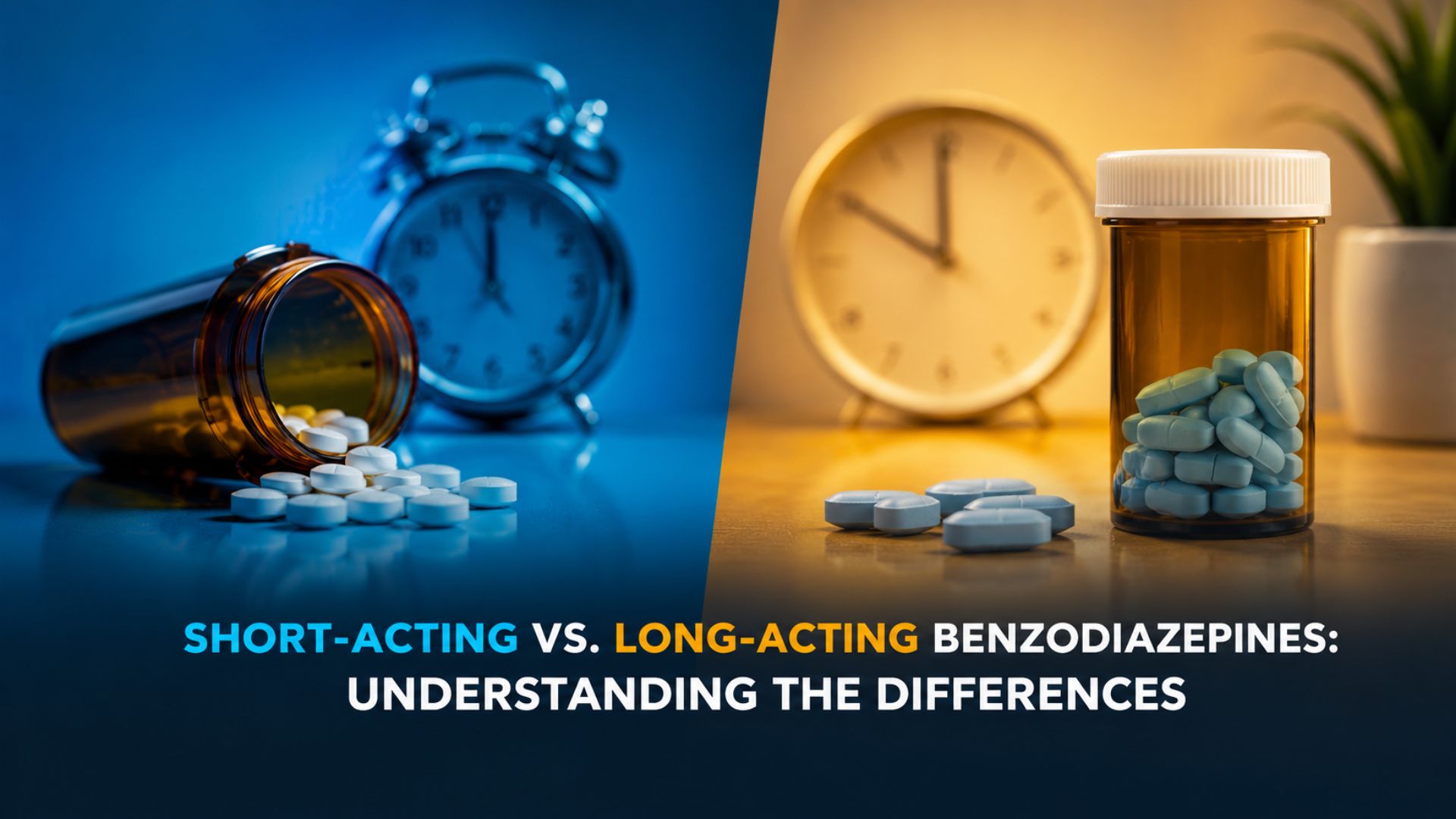
Mixed Depressive and Anxiety Disorder can be a challenging condition to manage, especially when it involves dependence on benzodiazepines. If you or a loved one is struggling with benzodiazepine dependence, finding freedom from this addiction is crucial for overall mental health. A related article on finding freedom from benzodiazepine dependence in Fort Lauderdale, Florida offers valuable insights and resources for those seeking support in overcoming benzodiazepine addiction. Understanding safe and effective tapering methods, such as those outlined in the articles on diazepam taper and temazepam taper, can also be instrumental in the journey towards recovery.
Mixed depressive and anxiety disorder is a mental health condition characterized by symptoms of both depression and anxiety occurring at the same time. It is also known as comorbid depression and anxiety.
Symptoms of mixed depressive and anxiety disorder may include persistent feelings of sadness, hopelessness, irritability, worry, restlessness, trouble concentrating, fatigue, changes in appetite, and sleep disturbances.
The exact cause of mixed depressive and anxiety disorder is not fully understood, but it is believed to be a combination of genetic, biological, environmental, and psychological factors.
Diagnosis of mixed depressive and anxiety disorder is typically based on a thorough assessment of symptoms, medical history, and possibly the use of standardized psychiatric assessment tools.
Treatment for mixed depressive and anxiety disorder may include a combination of psychotherapy, medication, and lifestyle changes. Cognitive-behavioral therapy (CBT) and selective serotonin reuptake inhibitors (SSRIs) are commonly used.
While there is no cure for mixed depressive and anxiety disorder, it can be effectively managed with proper treatment and support. It is important for individuals to seek professional help and adhere to their treatment plan.

Dr. Leeds specializes in the Ashton Method, a well-established and evidence-based protocol for tapering off benzodiazepines. Developed by the renowned Dr. Heather Ashton, the Ashton Method provides a structured and safe approach to gradually reducing benzodiazepine dosages, minimizing withdrawal symptoms, and ultimately achieving freedom from these medications.
Contact Us for expert guidance on safely tapering off benzodiazepines and reclaiming your life.