

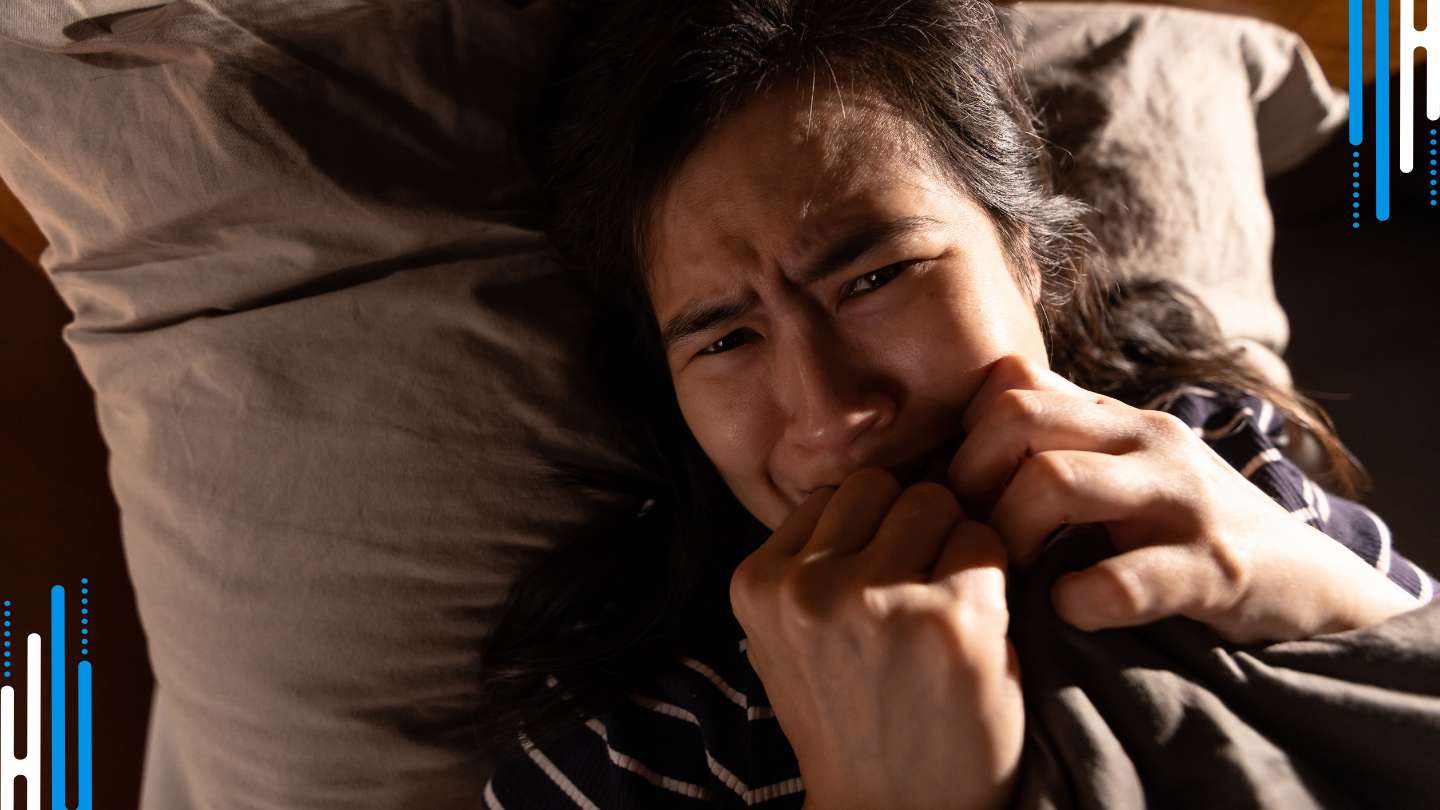
Benzodiazepines are a class of psychoactive drugs that are commonly prescribed for anxiety, insomnia, and other mental health conditions. While they can be effective in managing these symptoms, long-term use of benzodiazepines can lead to physical dependence and withdrawal symptoms when the medication is discontinued. Benzodiazepine withdrawal can be a challenging and distressing experience for many individuals, as it often involves a range of physical and psychological symptoms.
Physically, benzodiazepine withdrawal can manifest as tremors, sweating, nausea, and muscle pain. Psychologically, individuals may experience anxiety, panic attacks, depression, and even psychosis. These symptoms can be severe and debilitating, making it difficult for individuals to function in their daily lives. It is important for individuals who are considering discontinuing benzodiazepines to be aware of the potential withdrawal symptoms and to seek support from healthcare professionals who are knowledgeable about benzodiazepine withdrawal.
Benzodiazepine withdrawal can be a complex and challenging process, and it is important for individuals to have a thorough understanding of what to expect. It is also crucial for individuals to have access to appropriate support and resources to help them navigate the withdrawal process. With the right information and support, individuals can successfully taper off benzodiazepines and manage the associated withdrawal symptoms.
The Ashton Method, developed by Professor Heather Ashton, is a widely recognized and safe approach to benzodiazepine tapering. This method involves a slow and gradual reduction of the benzodiazepine dosage over an extended period of time, which allows the body to adjust to the changes and minimizes the risk of severe withdrawal symptoms. The Ashton Method emphasizes the importance of individualized tapering plans, as each person’s experience with benzodiazepine withdrawal can vary.
The Ashton Method also emphasizes the need for support and monitoring throughout the tapering process. Healthcare professionals who are familiar with the Ashton Method can provide guidance and support to individuals as they taper off benzodiazepines. This can include regular check-ins, adjustments to the tapering schedule as needed, and assistance with managing any withdrawal symptoms that may arise.
Overall, the Ashton Method offers a safe and effective approach to benzodiazepine tapering, with a focus on individualized care and support. By following this method, individuals can reduce the risk of severe withdrawal symptoms and successfully discontinue their use of benzodiazepines.
The Maudsley Deprescribing Guidelines provide a comprehensive approach to benzodiazepine discontinuation, with a focus on evidence-based practices and patient-centered care. These guidelines emphasize the importance of thorough assessment and monitoring throughout the deprescribing process, as well as the need for individualized tapering plans based on each person’s unique needs and experiences.
The Maudsley Deprescribing Guidelines also highlight the importance of addressing any underlying mental health conditions that may have contributed to the initial prescription of benzodiazepines. By providing comprehensive support for mental health, including therapy and other interventions, individuals can better manage their symptoms and reduce their reliance on benzodiazepines.
Overall, the Maudsley Deprescribing Guidelines offer a comprehensive and evidence-based approach to benzodiazepine discontinuation, with a focus on individualized care and support for mental health. By following these guidelines, individuals can receive the support they need to successfully taper off benzodiazepines and manage any associated withdrawal symptoms.
When seeking support for benzodiazepine withdrawal, it is important for individuals to find a healthcare professional who is knowledgeable about deprescribing practices and experienced in supporting individuals through the withdrawal process. A deprescribing doctor should have a thorough understanding of benzodiazepine withdrawal and be familiar with evidence-based approaches to tapering off these medications.
In addition to expertise in deprescribing practices, it is important for individuals to find a doctor who is compassionate and supportive. Benzodiazepine withdrawal can be a challenging experience, and having a healthcare professional who is understanding and empathetic can make a significant difference in an individual’s ability to successfully navigate the withdrawal process.
It is also important for individuals to feel comfortable communicating with their deprescribing doctor and to be actively involved in developing their tapering plan. Open communication and collaboration between the individual and their healthcare provider are essential for creating a successful deprescribing plan that meets the individual’s unique needs and experiences.
Benzodiazepine withdrawal can sometimes lead to psychosis, which is characterized by a loss of touch with reality, hallucinations, and delusions. Managing withdrawal-induced psychosis requires specialized mental health support that addresses both the physical and psychological aspects of this experience.
One key strategy for managing withdrawal-induced psychosis is providing a safe and supportive environment for the individual. This may involve hospitalization or intensive outpatient care to ensure that the individual is in a secure environment where they can receive appropriate support and monitoring.
In addition to providing a safe environment, mental health support for withdrawal-induced psychosis should include therapy and medication management. Therapy can help individuals process their experiences and develop coping strategies for managing psychosis symptoms, while medication management can help stabilize their mental health during the withdrawal process.
Overall, managing withdrawal-induced psychosis requires specialized mental health support that addresses both the physical and psychological aspects of this experience. By providing a safe environment, therapy, and medication management, individuals can receive the support they need to navigate this challenging aspect of benzodiazepine withdrawal.
After successfully tapering off benzodiazepines, some individuals may experience post-withdrawal syndrome, which involves lingering physical and psychological symptoms that persist beyond the initial withdrawal period. Navigating post-withdrawal syndrome requires ongoing support and management to help individuals address these long-term effects.
Physically, post-withdrawal syndrome may involve symptoms such as insomnia, muscle pain, and gastrointestinal issues. Psychologically, individuals may continue to experience anxiety, depression, or cognitive difficulties. It is important for individuals to receive ongoing support from healthcare professionals who are knowledgeable about post-withdrawal syndrome and can provide appropriate interventions to manage these symptoms.
In addition to physical and psychological symptoms, individuals may also experience challenges in adjusting to life without benzodiazepines. This may involve developing new coping strategies for managing anxiety or insomnia without medication, as well as addressing any changes in their mental health that have occurred as a result of long-term benzodiazepine use.
Overall, navigating post-withdrawal syndrome requires ongoing support from healthcare professionals who are knowledgeable about this experience and can provide appropriate interventions to manage physical, psychological, and lifestyle-related challenges that may arise after discontinuing benzodiazepines.
The crisis of benzodiazepine discontinuation highlights the need for better mental health support for individuals who are navigating this challenging experience. Advocating for better mental health support involves raising awareness about the challenges of benzodiazepine withdrawal and advocating for improved access to evidence-based deprescribing practices and mental health resources.
One key aspect of advocating for better mental health support is raising awareness about the potential risks of long-term benzodiazepine use and the importance of safe tapering practices. By educating healthcare professionals and the general public about these issues, advocates can help ensure that individuals receive appropriate support when discontinuing benzodiazepines.
In addition to raising awareness, advocating for better mental health support involves promoting policies and practices that prioritize evidence-based deprescribing approaches and comprehensive mental health care. This may involve working with healthcare organizations, policymakers, and advocacy groups to develop guidelines and resources that support individuals through the process of benzodiazepine discontinuation.
Overall, advocating for better mental health support is essential for addressing the crisis of benzodiazepine discontinuation and ensuring that individuals receive the care they need to successfully navigate this challenging experience. By raising awareness and promoting evidence-based practices, advocates can help improve access to safe deprescribing approaches and comprehensive mental health resources for individuals discontinuing benzodiazepines.
If you are interested in learning more about safely tapering off benzodiazepines, you may want to check out the article “Safe and Effective: The Dalmane Taper Method for Gradual Benzodiazepine Withdrawal”. This article provides a guide for a gradual and safe withdrawal from benzodiazepines, which can be crucial in avoiding withdrawal-induced psychosis and other mental health crises.

Mark Leeds, D.O. is an osteopathic physician and deprescribing specialist in Fort Lauderdale, Florida. He helps patients come off benzodiazepines and sleeping pills with a slow, patient-directed taper guided by the Ashton Manual and the Maudsley Deprescribing Guidelines. Physical dependence is not addiction, and a careful taper is measured in months, not days.
Contact Us for expert guidance on safely tapering off benzodiazepines and reclaiming your life.