

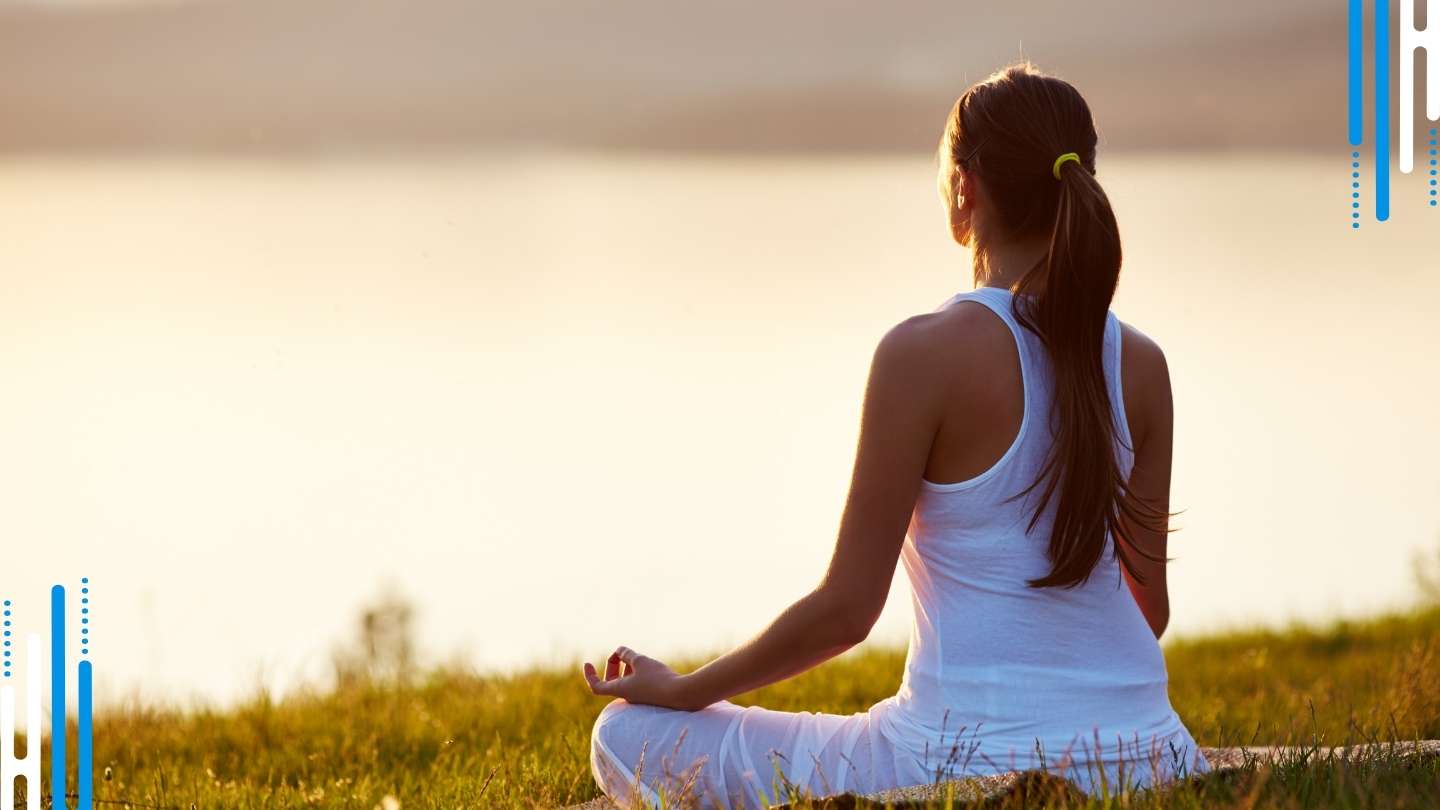
Yoga has long been recognized as a powerful tool for reducing stress and anxiety. In today’s fast-paced and high-stress world, it is more important than ever to find effective ways to manage anxiety. Understanding how yoga can help reduce stress and anxiety is crucial for those seeking natural and holistic approaches to their mental well-being.
One of the key ways that yoga helps to reduce stress and anxiety is through the mind-body connection. Yoga combines physical movement with breath control and mindfulness, allowing individuals to connect with their bodies and calm their minds. This mind-body connection is essential for managing anxiety, as it helps individuals become more aware of their thoughts, emotions, and physical sensations.
Yoga also helps to regulate the nervous system, which plays a significant role in anxiety. The practice of yoga activates the parasympathetic nervous system, also known as the “rest and digest” response. This response counteracts the “fight or flight” response that is often activated during times of stress or anxiety. By activating the parasympathetic nervous system, yoga helps to calm the body and mind.
In addition to the mind-body connection and nervous system regulation, the physical movement involved in yoga also plays a role in reducing anxiety. Physical activity has been shown to release endorphins, which are natural mood boosters. Engaging in regular physical activity, such as yoga, can help individuals manage their anxiety by increasing their overall sense of well-being.
Numerous research studies have explored the link between yoga and anxiety. These studies have found that yoga can have a significant impact on reducing anxiety symptoms. For example, a study published in the Journal of Clinical Psychology found that individuals who participated in a yoga intervention experienced a significant reduction in anxiety symptoms compared to those who did not participate in yoga.
The science behind yoga’s ability to calm the mind lies in its effects on the brain and neurotransmitters. Yoga has been found to increase the production of gamma-aminobutyric acid (GABA), a neurotransmitter that helps regulate anxiety. Low levels of GABA have been linked to anxiety disorders, so increasing GABA production through yoga can help alleviate anxiety symptoms.
In addition to increasing GABA production, yoga has also been found to decrease the production of cortisol, the stress hormone. High levels of cortisol can contribute to anxiety, so reducing cortisol levels through yoga can help individuals manage their anxiety more effectively.
There are several yoga poses that are particularly beneficial for anxiety relief. These poses help to calm the mind, release tension in the body, and promote relaxation. Here is a beginner’s guide to some of these poses:
1. Child’s Pose (Balasana): Start by kneeling on the floor with your knees hip-width apart and your toes touching. Sit back on your heels and fold forward, bringing your forehead to the mat. Extend your arms forward or rest them alongside your body. Breathe deeply and hold the pose for several breaths.
2. Standing Forward Fold (Uttanasana): Stand with your feet hip-width apart and fold forward from your hips, allowing your upper body to hang over your legs. Bend your knees as much as needed to bring your hands to the floor or grab onto opposite elbows. Relax your head and neck and breathe deeply.
3. Legs-Up-The-Wall Pose (Viparita Karani): Lie on your back with your legs extended up against a wall or a sturdy piece of furniture. Rest your arms alongside your body or place them on your belly or chest. Close your eyes and breathe deeply, allowing yourself to relax into the pose.
These poses can be modified for different levels of experience. For beginners, it is important to listen to your body and only go as far as feels comfortable. As you become more familiar with the poses, you can gradually deepen your practice.
Pranayama, or breath control, is an integral part of yoga practice and has numerous benefits for anxiety relief. Deep breathing techniques help to activate the parasympathetic nervous system, which promotes relaxation and reduces anxiety. Here are some beginner-friendly breathing techniques that can be incorporated into a yoga practice:
1. Diaphragmatic Breathing: Sit or lie down in a comfortable position. Place one hand on your belly and the other on your chest. Take a deep breath in through your nose, allowing your belly to rise as you fill your lungs with air. Exhale slowly through your nose, allowing your belly to fall. Repeat for several breaths.
2. Alternate Nostril Breathing (Nadi Shodhana): Sit in a comfortable position and bring your right hand up to your face. Use your thumb to close your right nostril and inhale deeply through your left nostril. Close your left nostril with your ring finger and exhale through your right nostril. Inhale through your right nostril, close it with your thumb, and exhale through your left nostril. Repeat for several rounds.
3. Box Breathing: Sit or lie down in a comfortable position and inhale deeply through your nose for a count of four. Hold the breath for a count of four, then exhale slowly through your nose for a count of four. Hold the breath out for a count of four. Repeat for several rounds.
These breathing techniques can be practiced on their own or incorporated into a yoga practice. They can be particularly helpful during times of heightened anxiety or stress.
Yoga Nidra, also known as yogic sleep, is a powerful tool for deep relaxation and anxiety relief. It is a guided meditation practice that helps individuals enter a state of deep relaxation while remaining conscious. Here is a beginner-friendly yoga nidra practice:
1. Lie down on your back in a comfortable position, such as Savasana (Corpse Pose). Close your eyes and take a few deep breaths to relax your body and mind.
2. Bring your awareness to different parts of your body, starting with your right hand. Focus on each body part for a few moments, noticing any sensations or tension. Allow each body part to relax and release any tension as you move through your entire body.
3. Visualize yourself in a peaceful and calming place, such as a beach or a forest. Engage your senses and imagine the sights, sounds, smells, and sensations of this place. Allow yourself to fully immerse in the experience.
4. Repeat a positive affirmation or mantra to yourself, such as “I am calm and at peace” or “I release all anxiety and stress.” Repeat the affirmation silently or out loud, allowing it to sink into your subconscious mind.
5. Slowly bring your awareness back to your physical body and the present moment. Wiggle your fingers and toes, gently stretch your body, and open your eyes.
Yoga nidra can be practiced for as little as 10 minutes or as long as an hour, depending on your preference and available time. It is best practiced in a quiet and comfortable space where you will not be disturbed.
Mindfulness is an essential component of yoga practice for anxiety relief. Mindfulness involves paying attention to the present moment without judgment. It helps individuals become more aware of their thoughts, emotions, and physical sensations, allowing them to respond to anxiety in a more skillful way.
Incorporating mindfulness into a yoga practice can be as simple as bringing awareness to the breath or focusing on the sensations in the body during each pose. It can also involve practicing mindfulness meditation, where individuals sit quietly and observe their thoughts and sensations without getting caught up in them.
Off the mat, mindfulness can be practiced by bringing awareness to everyday activities such as eating, walking, or washing dishes. By practicing mindfulness in daily life, individuals can cultivate a greater sense of calm and reduce anxiety.
Building a sustainable yoga practice for anxiety management is crucial for long-term success. Here are some tips for building a sustainable practice:
1. Set realistic goals and expectations: Start with small, achievable goals and gradually build from there. Be patient with yourself and remember that progress takes time.
2. Listen to your body: Pay attention to how your body feels during and after each yoga practice. If a pose or sequence feels uncomfortable or causes pain, modify or skip it. Your body knows best.
3. Practice self-compassion: Be kind to yourself and avoid self-judgment. Remember that yoga is a personal journey, and everyone’s practice looks different.
4. Find balance: Incorporate a variety of yoga styles and poses into your practice to keep it interesting and prevent burnout. Balance challenging poses with restorative poses to give your body time to recover.
5. Seek support: Join a supportive yoga community or find an accountability partner who can help you stay motivated and committed to your practice.
Finding the right yoga teacher and studio is essential for individuals seeking anxiety relief through yoga. Here are some tips for finding a supportive yoga community:
1. Research different teachers and studios: Read reviews, ask for recommendations, and visit different studios to get a sense of their teaching style and atmosphere.
2. Communicate your needs: When attending a class or meeting with a potential teacher, communicate your anxiety and any specific concerns or limitations you may have. A good teacher will be understanding and able to offer modifications or alternatives.
3. Trust your intuition: Pay attention to how you feel when interacting with a teacher or visiting a studio. Trust your gut instincts and choose a teacher and studio that feels right for you.
4. Attend trial classes or workshops: Many studios offer trial classes or workshops that allow you to experience different teachers and styles before committing to a membership or class package.
Finding the right yoga teacher and studio can make a significant difference in your yoga practice and overall experience.
Incorporating yoga into your daily routine is key for long-term anxiety management. Here are some tips for making yoga a regular part of your life:
1. Start small: Begin by committing to just a few minutes of yoga each day. As you build consistency, gradually increase the duration and intensity of your practice.
2. Create a dedicated space: Set up a designated area in your home where you can practice yoga without distractions. This will help create a sense of ritual and make it easier to stick to your routine.
3. Schedule it in: Treat your yoga practice as an important appointment with yourself. Block off time in your calendar or set reminders on your phone to ensure you prioritize your practice.
4. Be flexible: If you’re unable to practice at your usual time or location, be flexible and find alternative ways to fit yoga into your day. This could be practicing a few poses during your lunch break or doing a guided meditation before bed.
5. Find accountability: Share your commitment to daily yoga with a friend, family member, or online community. Having someone to hold you accountable can help you stay motivated and committed to your practice.
By making yoga a regular part of your daily routine, you can experience the long-term benefits of anxiety relief and overall well-being.
In conclusion, yoga is a powerful tool for reducing stress and anxiety. By understanding how yoga helps to regulate the nervous system, calm the mind, and promote relaxation, individuals can incorporate yoga into their anxiety management routine. Whether through physical movement, breath control, mindfulness, or guided meditation, yoga offers a holistic approach to managing anxiety and promoting overall well-being. So why not give it a try and see how yoga can transform your life?
If you’re looking for natural ways to reduce anxiety, practicing yoga can be incredibly beneficial. Not only does it help calm the mind and relax the body, but it also promotes a sense of inner peace and tranquility. In fact, a recent study published in the Journal of Clinical Psychology found that yoga can significantly reduce symptoms of anxiety and stress. If you’re interested in learning more about how yoga can help with anxiety relief, check out this informative article on benzodoc.com. It provides valuable insights and practical tips for incorporating yoga into your daily routine to promote overall well-being and reduce anxiety levels.

Dr. Leeds specializes in the Ashton Method, a well-established and evidence-based protocol for tapering off benzodiazepines. Developed by the renowned Dr. Heather Ashton, the Ashton Method provides a structured and safe approach to gradually reducing benzodiazepine dosages, minimizing withdrawal symptoms, and ultimately achieving freedom from these medications.
Contact Us for expert guidance on safely tapering off benzodiazepines and reclaiming your life.