
Anxiety is a prevalent mental health issue that affects millions of people worldwide. It can manifest in various forms, such as generalized anxiety disorder, panic disorder, or social anxiety disorder. Finding healthy coping mechanisms to manage anxiety is crucial for overall well-being. One potential solution that has gained attention in recent years is engaging in hobbies. Hobbies are activities that individuals enjoy and find pleasure in, and they can provide a sense of control and mastery, which can help reduce anxiety. In this article, we will explore the connection between hobbies and anxiety reduction, the science behind how hobbies help ease anxiety, different types of hobbies that can reduce anxiety and stress, and how to incorporate hobbies into a long-term anxiety management plan.
Before delving into the benefits of hobbies for anxiety reduction, it is important to understand what exactly a hobby is and how it differs from other activities. A hobby is an activity that individuals engage in during their leisure time for enjoyment and personal fulfillment. Unlike work or chores, hobbies are not done out of obligation or necessity but rather out of personal interest and passion.
One reason why hobbies can be effective in reducing anxiety is that they provide a sense of control and mastery. When engaging in a hobby, individuals have the freedom to choose what they want to do and how they want to do it. This sense of autonomy can be empowering and help alleviate feelings of helplessness or lack of control that often accompany anxiety. Additionally, hobbies allow individuals to develop skills and expertise over time, which can boost self-confidence and provide a sense of mastery over something.
The idea that hobbies can reduce anxiety is supported by scientific research. Studies have shown that engaging in enjoyable activities, such as hobbies, can lead to the release of endorphins in the brain. Endorphins are neurotransmitters that act as natural painkillers and mood boosters. They can help reduce stress and anxiety, promote feelings of well-being, and improve overall mood.
Furthermore, hobbies can activate the brain’s reward system, which is responsible for feelings of pleasure and motivation. When individuals engage in activities they enjoy, such as hobbies, the brain releases dopamine, a neurotransmitter associated with reward and motivation. This release of dopamine can create a positive feedback loop, reinforcing the enjoyment of the hobby and further reducing anxiety.
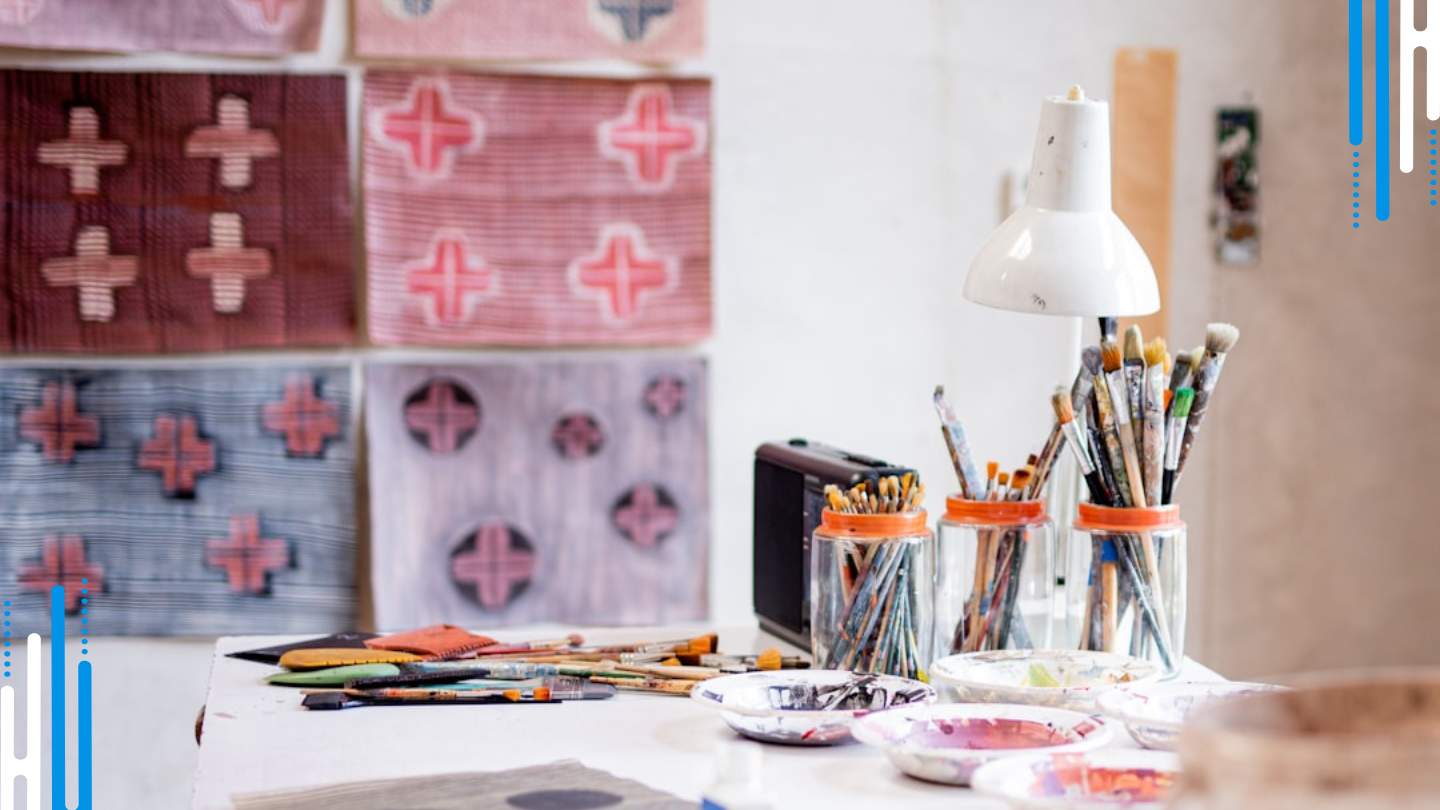
There are numerous creative hobbies that have been shown to reduce anxiety and stress. These hobbies often involve engaging in artistic or expressive activities that allow individuals to channel their emotions and thoughts into a tangible form. Some examples of creative hobbies that can help reduce anxiety include painting, knitting, writing, playing a musical instrument, or engaging in photography.
Creative hobbies are particularly effective for anxiety reduction because they provide an outlet for self-expression and emotional release. They allow individuals to channel their thoughts and feelings into a creative process, which can be cathartic and therapeutic. Additionally, creative hobbies often require focus and concentration, which can help distract the mind from anxious thoughts and promote a state of flow or mindfulness.
Engaging in hobbies not only helps reduce anxiety but also has broader benefits for mental health and well-being. Hobbies provide an opportunity for individuals to engage in activities they enjoy, which can improve mood and increase overall happiness. They also offer a sense of purpose and fulfillment, as individuals are able to pursue their passions and interests.
Furthermore, hobbies can enhance creativity and problem-solving skills. When individuals engage in activities they are passionate about, they are more likely to think outside the box and come up with innovative solutions to challenges. This creative thinking can spill over into other areas of life, leading to increased problem-solving abilities and a more flexible mindset.
Mindfulness is the practice of being fully present and engaged in the present moment, without judgment. It involves paying attention to one’s thoughts, feelings, and sensations in a non-reactive manner. Incorporating mindfulness into hobbies can enhance their anxiety-reducing effects.
One way to practice mindfulness during hobbies is to focus on the sensory experience of the activity. For example, when painting, one can pay attention to the feel of the brush on the canvas, the smell of the paint, and the colors blending together. By immersing oneself in the sensory experience, anxious thoughts can be temporarily set aside, allowing for a sense of calm and relaxation.
Another way to incorporate mindfulness into hobbies is to practice deep breathing or meditation while engaging in the activity. Taking slow, deep breaths and focusing on the breath can help regulate the body’s stress response and promote a state of relaxation. This can be particularly helpful for individuals who experience anxiety-related physical symptoms, such as rapid heartbeat or shallow breathing.
When selecting a hobby for anxiety reduction, it is important to consider personal preferences and limitations. Choosing a hobby that aligns with one’s interests and passions is crucial for long-term engagement and enjoyment. Reflecting on activities that have brought joy or fulfillment in the past can be a helpful starting point.
It is also important to consider any limitations or constraints that may impact hobby choices. For example, individuals with physical limitations may need to choose hobbies that are less physically demanding. Similarly, individuals with limited financial resources may need to explore low-cost or free hobbies.
Experimenting with different hobbies and being open to trying new activities can also be beneficial. It may take some time to find a hobby that resonates with an individual’s personality and needs, but the process of exploration can be enjoyable in itself.
While individual hobbies can be effective for anxiety reduction, group hobbies offer additional benefits. Engaging in hobbies with others provides an opportunity for social support and connection, which can be particularly beneficial for individuals with anxiety.
Group hobbies create a sense of belonging and community, as individuals come together around a shared interest or activity. This sense of belonging can help reduce feelings of isolation and loneliness, which are common experiences for individuals with anxiety. Additionally, the social interaction that occurs during group hobbies can provide a distraction from anxious thoughts and promote a sense of camaraderie.
Incorporating hobbies into a busy lifestyle can be challenging, but it is essential for self-care and anxiety management. Here are some practical tips for making time for hobbies:
1. Prioritize self-care: Recognize the importance of taking care of yourself and make it a priority. Set aside dedicated time each week for engaging in hobbies and creative activities.
2. Schedule it: Treat your hobby time as you would any other appointment or commitment. Block off specific time slots in your calendar for engaging in your chosen hobby.
3. Start small: If you have a busy schedule, start by dedicating just a few minutes each day to your hobby. Gradually increase the amount of time as you become more comfortable and find ways to fit it into your routine.
4. Combine activities: Look for opportunities to combine your hobby with other activities. For example, if you enjoy listening to music, you can incorporate it into your daily commute or while doing household chores.
5. Set boundaries: Learn to say no to activities or commitments that do not align with your priorities or take up too much of your time. Setting boundaries will allow you to create space for your hobbies and creativity.
Exercise is known to be beneficial for anxiety reduction, and combining hobbies with exercise can provide a double dose of anxiety relief. Engaging in physical activity releases endorphins, which can improve mood and reduce anxiety. Some hobbies that can be combined with exercise include hiking, dancing, gardening, or practicing yoga.
By combining a hobby with exercise, individuals can experience the benefits of both activities simultaneously. This can lead to increased feelings of well-being, improved physical health, and enhanced anxiety reduction.
Incorporating hobbies into a long-term anxiety management plan is essential for maintaining overall well-being. Hobbies provide an outlet for self-expression, stress relief, and enjoyment, which are crucial components of self-care.
To make hobbies a consistent part of your anxiety management plan, consider the following tips:
1. Set realistic goals: Set achievable goals for your hobby practice. Start with small, attainable goals and gradually increase the level of challenge as you progress.
2. Create a dedicated space: Designate a specific area in your home or workspace for engaging in your hobby. Having a dedicated space can help create a sense of routine and make it easier to engage in the activity regularly.
3. Find an accountability partner: Share your hobby goals with a friend or family member who can help hold you accountable. Having someone to check in with and provide support can increase motivation and consistency.
4. Practice self-compassion: Be kind to yourself if you miss a day or don’t meet your goals. Remember that hobbies are meant to be enjoyable and stress-relieving, not another source of pressure or self-criticism.
In conclusion, engaging in hobbies can be an effective way to reduce anxiety and improve overall well-being. Hobbies provide a sense of control and mastery, activate the brain’s reward system, and release endorphins, all of which contribute to anxiety reduction. Creative hobbies, in particular, offer an outlet for self-expression and emotional release. By incorporating mindfulness into hobbies, individuals can enhance their anxiety-reducing effects. It is important to choose a hobby that aligns with personal preferences and needs, and to make time for hobbies in a busy schedule. Group hobbies can provide additional benefits through social support and connection. By combining hobbies with exercise, individuals can experience a double dose of anxiety relief. Finally, incorporating hobbies into a long-term anxiety management plan is crucial for maintaining overall well-being. So why not give it a try? Find a hobby that brings you joy and start reaping the benefits for your mental health and well-being.
Engaging in hobbies and creative activities has been proven to be an effective way to reduce anxiety. According to a recent article on benzodoc.com, finding joy in activities such as painting, writing, or playing an instrument can help calm the mind and provide a much-needed distraction from anxious thoughts. The article also emphasizes the importance of finding healthy coping mechanisms, especially for individuals who may be tapering off medications like Zaleplon, Ambien, or Elavil. To learn more about safe steps to tapering off these medications and managing withdrawal symptoms, check out this informative guide: https://benzodoc.com/safe-steps-to-tapering-off-zaleplon-a-guide-to-gradual-withdrawal/, https://benzodoc.com/sleep-soundly-again-a-safe-guide-to-tapering-off-ambien/, https://benzodoc.com/safely-tapering-off-elavil-a-guide-to-managing-withdrawal-symptoms/.

Dr. Leeds specializes in the Ashton Method, a well-established and evidence-based protocol for tapering off benzodiazepines. Developed by the renowned Dr. Heather Ashton, the Ashton Method provides a structured and safe approach to gradually reducing benzodiazepine dosages, minimizing withdrawal symptoms, and ultimately achieving freedom from these medications.
Contact Us for expert guidance on safely tapering off benzodiazepines and reclaiming your life.