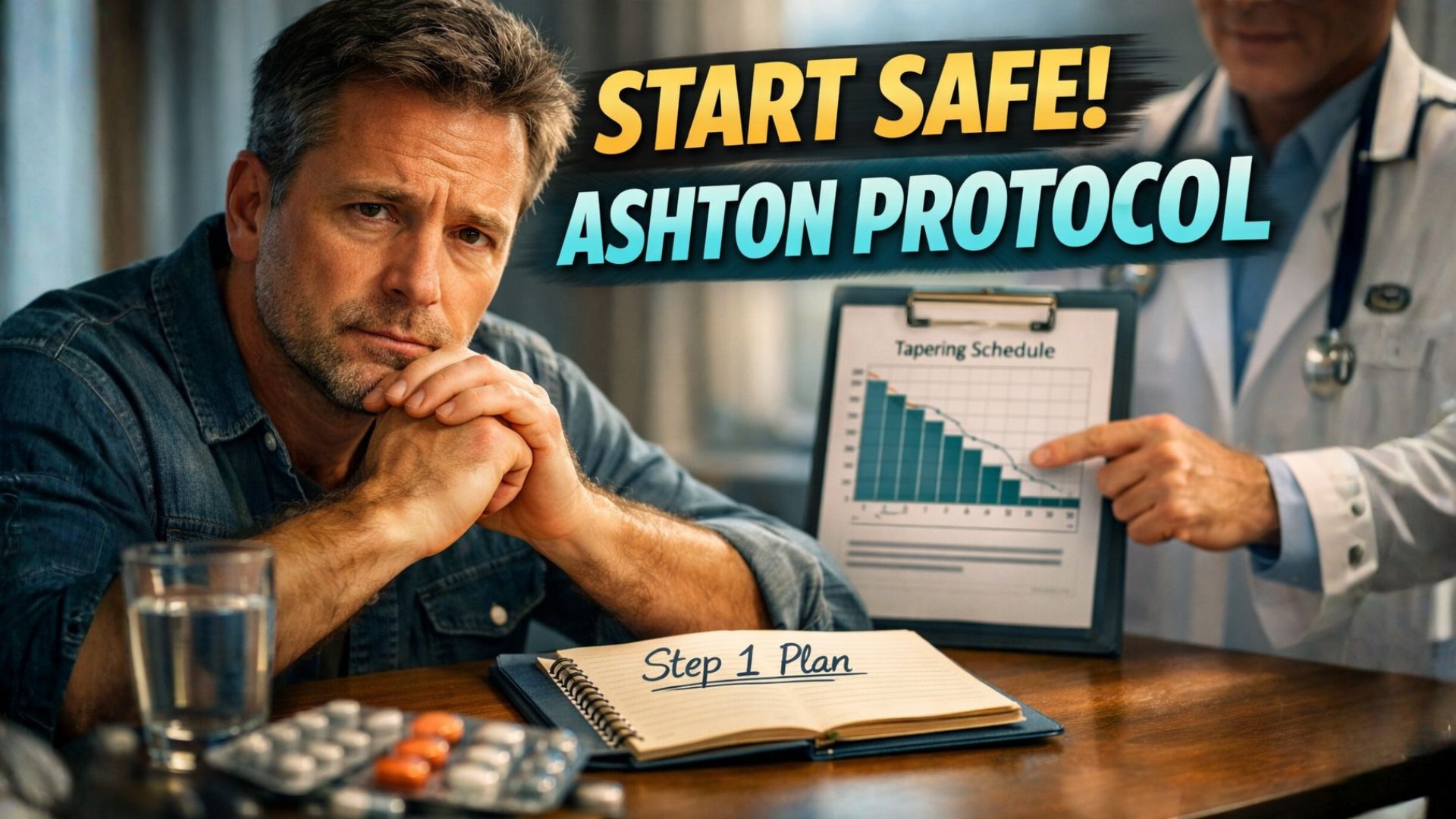
Starting to reduce a benzodiazepine can feel overwhelming, especially when you’re unsure where to start. The Ashton protocol offers a structured, medically guided approach designed to make this transition smoother and more manageable. For beginners, understanding how to begin safely is essential to building confidence and ensuring long-term success. With the right professional support, the process becomes far less intimidating. This blog will help you understand the first steps to starting the Ashton method the right way, so you can move forward with clarity, stability, and a strong foundation for recovery.
Understanding the Ashton Protocol
The Ashton method is a carefully structured tapering strategy designed to help individuals gradually reduce their dependence on benzodiazepines. Developed by Professor Ashton, this method focuses on stabilizing the patient and gradually reducing the dosage over time to minimize discomfort and support long-term success.
At its core, the Ashton manual provides guidance on how to transition from shorter-acting benzodiazepines to longer-acting ones before beginning a gradual taper. This allows the body to adjust more smoothly and reduces the intensity of withdrawal symptoms.
For beginners, understanding that this is not a quick process is crucial. Instead, it is a patient-centered approach that prioritizes safety, stability, and professional oversight. One important part of this process is understanding why the Ashton manual recommends switching to diazepam before a benzo taper, as this step can help create a smoother and more stable transition.
Why a Safe Start Matters

When it comes to benzodiazepine tapering, the way you begin determines the overall success of the process. A rushed or unsupervised attempt can lead to unnecessary distress, while a structured start ensures that your body and mind adapt gradually.
Starting safely means working with professionals who understand the nuances of benzodiazepine withdrawal. It involves careful evaluation, personalized planning, and ongoing monitoring. This ensures that every step aligns with your unique needs, making the process more manageable and sustainable. For those exploring how to safely start the Ashton taper protocol step by step, the emphasis should always be on guided care rather than self-directed attempts. For many individuals, learning how the Ashton manual helps people safely reduce benzodiazepines can make it easier to understand why a guided and structured start is so important.
The First Step: Professional Assessment and Stabilization
It begins with a thorough assessment. Before initiating the Ashton protocol, it is essential to evaluate your current medication usage, duration, dosage, and overall health condition. This stage is not just about gathering information; it is about creating a foundation for success. It can also be helpful to know how to prepare for the Ashton manual taper schedule so the assessment and stabilization phase feels more organized and less overwhelming from the beginning. Professionals determine whether a transition to a longer-acting benzodiazepine is appropriate and establish a stabilization phase. Stabilization ensures that your body reaches a steady state before any reduction begins. This is a critical component of a beginner’s guide to starting the Ashton protocol safely, as it prepares you both physically and mentally for the tapering process.
Building a Personalized Tapering Plan
No two individuals experience benzodiazepine withdrawal in the same way. That’s why a personalized tapering plan is essential when following the Ashton method.
A structured plan outlines how and when dosage reductions will occur. These reductions are gradual and carefully monitored to ensure comfort and stability. The goal is to reduce dependency while maintaining overall well-being. For those wondering about first steps to starting the Ashton method the right way, this stage is where precision and expertise truly matter. A professionally designed plan ensures that progress is steady and aligned with your body’s response. As the plan takes shape, understanding how long the Ashton benzo taper takes can help set realistic expectations for progress over time.
Understanding Withdrawal Symptoms in a Managed Way
One of the biggest concerns at the start is withdrawal symptoms. While withdrawal is a natural part of reducing benzodiazepine use, the Ashton protocol is specifically designed to make this transition smoother and more manageable. Under professional care, these symptoms are monitored closely. Adjustments can be made to the tapering schedule to ensure comfort and progress. This level of support turns what might otherwise feel overwhelming into a guided, controlled process. With a structured plan, patients move through benzodiazepine withdrawal with greater confidence and reassurance.
The Importance of Ongoing Monitoring
Starting the protocol is only the beginning. Continuous monitoring plays a vital role in ensuring success throughout the taper. Regular check-ins with professionals allow for adjustments based on your progress. This dynamic approach ensures that your taper remains aligned with your needs, reducing uncertainty and enhancing outcomes. For anyone exploring how to begin the Ashton protocol safely for beginners, understanding the importance of ongoing support is essential. It is this consistent guidance that makes the process both effective and sustainable. Consistent follow-up also supports individuals who want to understand how the Ashton Manual guides a benzo tapering schedule throughout each stage of the process.
Emotional and Mental Support During the Process

Beyond the physical aspects of benzodiazepine tapering, emotional and mental well-being are equally important. The process requires patience, resilience, and encouragement.
Professional support systems provide reassurance and guidance, helping individuals stay motivated and focused. This whole-person approach ensures that both mind and body are supported throughout. When considering a beginner’s guide to starting the Ashton protocol safely, it is important to recognize that success is not just about reducing dosage; it is about building confidence and stability along the way.
Avoiding Common Mistakes as a Beginner
Many individuals searching for solutions may consider managing the process independently. However, the Ashton protocol is most effective when implemented under professional supervision. Attempting benzodiazepine withdrawal without guidance leads to unnecessary risk. A structured and supervised approach ensures that every step is informed, measured, and aligned with best practices. For those learning how to safely start the Ashton taper protocol step by step, avoiding self-directed methods is key to achieving long-term success.
Moving Forward with Confidence
Beginning the Ashton protocol is a significant step toward reclaiming control and moving forward with clarity. With the right support, the process becomes genuinely manageable. Understanding the principles of the Ashton manual, working with experienced professionals, and following a structured plan all make for a smoother taper. Each step brings you closer to stability and independence. For beginners, the path may seem complex at first, but with proper guidance, it becomes a clear and achievable process.
Conclusion
Starting the Ashton protocol is not just about understanding the process, it is about taking the right first steps with proper guidance, care, and a structured plan. When approached professionally, benzodiazepine tapering becomes a more stable and manageable experience, allowing individuals to move forward with confidence, clarity, and long-term success.
BenzoDoc is the website of the medical practice of Mark Leeds, D.O., an osteopathic physician and deprescribing specialist in Fort Lauderdale. Dr. Leeds provides physician-level support through the Ashton protocol for benzodiazepine tapering, with personalized plans and ongoing monitoring at every stage, from understanding what benzodiazepines are through managing withdrawal symptoms on a medically supervised tapering plan. Care is delivered by secure telemedicine throughout Florida.
Contact Dr. Leeds today through the contact page.