

Benzodiazepines are a class of medications commonly prescribed for the treatment of anxiety, insomnia, and other conditions. They work by enhancing the effects of a neurotransmitter called gamma-aminobutyric acid (GABA) in the brain, which helps to calm the central nervous system. While benzodiazepines can be effective in managing symptoms, they also carry the risk of dependence and withdrawal symptoms when used for an extended period of time. It is important to understand these withdrawal symptoms in order to safely and effectively discontinue benzodiazepine use.
Withdrawal symptoms from benzodiazepines can vary in severity and duration depending on several factors, including the specific medication used, the dosage, and the duration of use. Common symptoms of benzodiazepine withdrawal include anxiety, insomnia, irritability, tremors, sweating, nausea, and difficulty concentrating. These symptoms can be distressing and may lead individuals to continue using benzodiazepines in order to avoid withdrawal.
The timeline of benzodiazepine withdrawal symptoms can also vary. In general, symptoms may begin within a few hours to a few days after the last dose and can last for several weeks or even months. The severity of withdrawal symptoms can be influenced by factors such as the individual’s overall health, their history of substance abuse, and any underlying mental health conditions.
Abruptly stopping benzodiazepine use can be dangerous and potentially life-threatening. Sudden cessation of these medications can lead to a condition known as benzodiazepine withdrawal syndrome, which is characterized by severe withdrawal symptoms such as seizures, hallucinations, and psychosis. These complications can be particularly dangerous for individuals who have been using high doses of benzodiazepines or who have been taking them for an extended period of time.
In addition to the immediate risks associated with abrupt withdrawal, there can also be long-term consequences. Research has shown that individuals who abruptly stop benzodiazepine use are at an increased risk of experiencing a relapse of their original symptoms, as well as developing new symptoms such as rebound anxiety and insomnia. Gradual tapering off benzodiazepines is therefore recommended in order to minimize these risks.
Tapering off benzodiazepines involves gradually reducing the dosage over a period of time, allowing the body to adjust to lower levels of the medication. This approach is considered the safest and most effective way to discontinue benzodiazepine use. By slowly tapering off the medication, withdrawal symptoms can be minimized and the risk of complications can be reduced.
There are several benefits to gradual tapering. Firstly, it allows the body to gradually adjust to lower levels of the medication, minimizing the shock to the central nervous system. This can help to alleviate withdrawal symptoms and reduce the risk of severe complications. Secondly, tapering off benzodiazepines can help to prevent rebound symptoms, such as rebound anxiety and insomnia, which can occur when the medication is abruptly stopped. Finally, tapering off benzodiazepines under the guidance of a healthcare professional ensures that the process is monitored and adjusted as needed, increasing the likelihood of a successful withdrawal.
When creating a tapering plan for benzodiazepine withdrawal, several factors need to be considered. These include the specific medication being used, the dosage and duration of use, and any underlying health conditions or medications that may interact with benzodiazepines. It is important to work closely with a healthcare professional who can provide guidance and support throughout the tapering process.
There are different tapering methods that can be used, depending on the individual’s needs and preferences. One approach is to gradually reduce the dosage of the medication over a period of time, such as weeks or months. Another approach is to switch to a longer-acting benzodiazepine and then gradually taper off that medication. The specific method used will depend on factors such as the individual’s overall health, their history of substance abuse, and any underlying mental health conditions.
Monitoring progress and adjusting the tapering plan as needed is crucial for a successful withdrawal. This may involve regular check-ins with a healthcare professional, who can assess the individual’s symptoms and make adjustments to the tapering schedule if necessary. It is important to remember that everyone’s withdrawal experience is unique, and a personalized approach is key to ensuring a safe and effective withdrawal.
While tapering off benzodiazepines can help to minimize withdrawal symptoms, it is still common for individuals to experience some discomfort during the process. There are several self-care strategies that can help to manage these symptoms and support overall well-being.
Firstly, it is important to prioritize self-care during withdrawal. This may involve getting enough sleep, eating a balanced diet, and engaging in regular exercise. These activities can help to support overall physical and mental health, which can in turn alleviate withdrawal symptoms.
Lifestyle changes can also be beneficial during benzodiazepine withdrawal. Avoiding caffeine and other stimulants can help to reduce anxiety and improve sleep quality. Engaging in relaxation techniques such as deep breathing exercises, meditation, or yoga can also help to calm the nervous system and reduce withdrawal symptoms.
Having a support system in place is crucial during benzodiazepine withdrawal. This may involve reaching out to friends or family members for emotional support, joining a support group or online community, or seeking professional counseling. Having someone to talk to and share experiences with can provide comfort and reassurance during the withdrawal process.
In some cases, medications may be used to help manage withdrawal symptoms during the tapering process. These medications can help to alleviate specific symptoms and support overall well-being. However, it is important to note that medication use should always be done under the guidance of a healthcare professional.
There are several types of medications that may be used during benzodiazepine withdrawal. These include antidepressants, anticonvulsants, and beta-blockers. Antidepressants can help to alleviate symptoms such as anxiety and depression, while anticonvulsants can help to prevent seizures. Beta-blockers can be used to reduce symptoms such as tremors and rapid heartbeat.
While medications can be helpful in managing withdrawal symptoms, they also carry the risk of side effects and potential interactions with other medications. It is important to work closely with a healthcare professional who can monitor the individual’s response to medication and make adjustments as needed.
In addition to medication, behavioral therapy can also play a crucial role in benzodiazepine withdrawal. Therapy can help individuals address underlying issues related to their benzodiazepine use and develop coping strategies for managing withdrawal symptoms.
There are several types of therapy that may be helpful during benzodiazepine withdrawal. Cognitive-behavioral therapy (CBT) is a common approach that focuses on identifying and changing negative thought patterns and behaviors. This can help individuals develop healthier coping mechanisms for managing anxiety and other withdrawal symptoms.
Other types of therapy that may be beneficial include mindfulness-based therapies, such as mindfulness-based stress reduction (MBSR) or acceptance and commitment therapy (ACT). These approaches can help individuals develop a greater sense of awareness and acceptance of their withdrawal symptoms, reducing distress and improving overall well-being.
Therapy can also address underlying issues related to benzodiazepine use, such as trauma or co-occurring mental health conditions. By addressing these underlying issues, individuals can gain a better understanding of their substance use and develop strategies for long-term recovery.
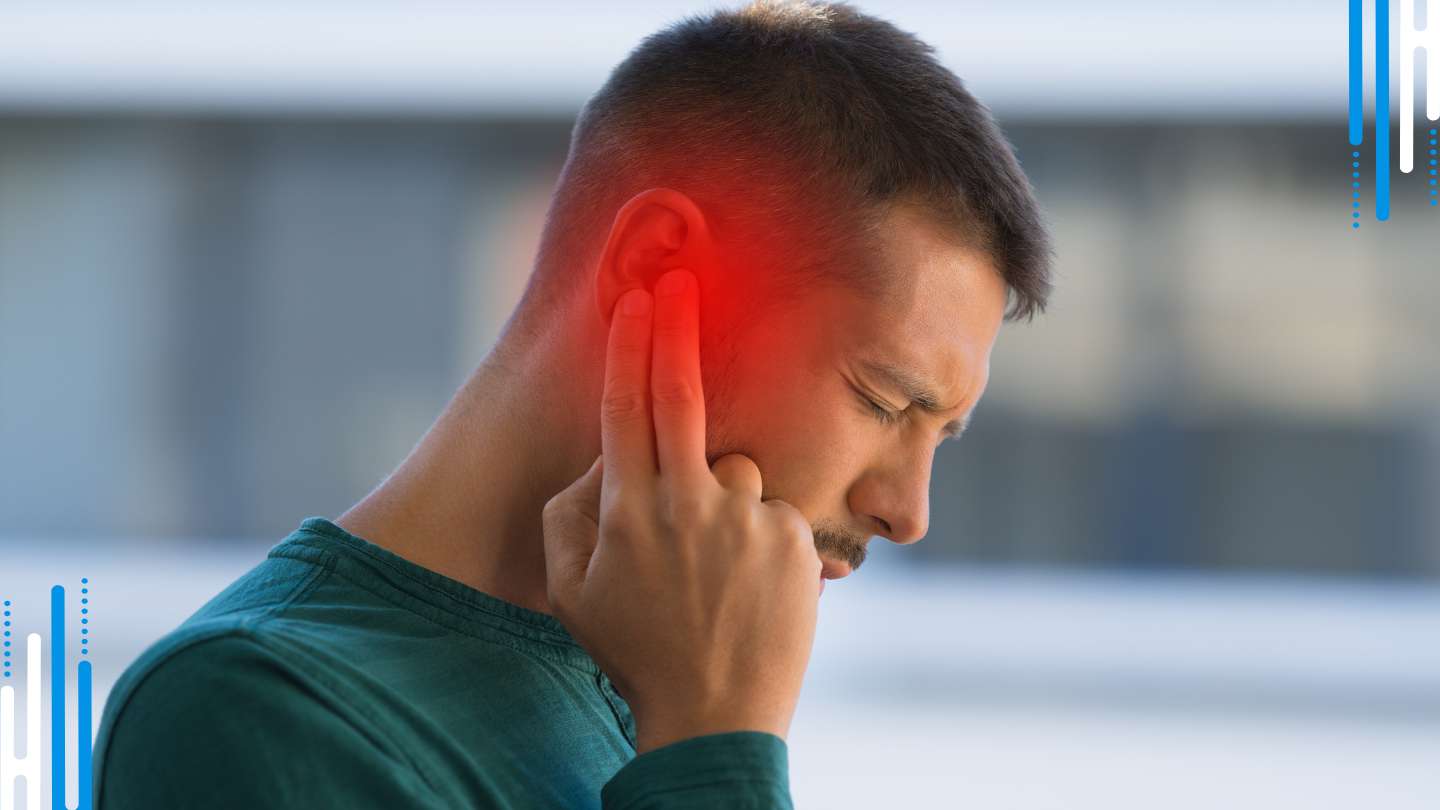
Tinnitus, or ringing in the ears, is a common symptom that can occur during benzodiazepine withdrawal. Benzodiazepines can affect the auditory system and lead to changes in hearing perception, including the perception of tinnitus. Research has shown that tinnitus is more prevalent during benzodiazepine withdrawal compared to other types of withdrawal.
The exact mechanisms behind the connection between benzodiazepine withdrawal and tinnitus are not fully understood. However, it is believed that changes in GABA activity in the brain may play a role. GABA is involved in regulating auditory processing, and alterations in GABA levels during withdrawal may contribute to the development of tinnitus.
Managing tinnitus during benzodiazepine withdrawal can be challenging, but there are several strategies that can help to alleviate symptoms. Self-care strategies such as avoiding loud noises, practicing relaxation techniques, and using sound therapy can be helpful in managing tinnitus.
Avoiding loud noises is important because exposure to loud sounds can exacerbate tinnitus symptoms. Wearing ear protection in noisy environments and turning down the volume on electronic devices can help to reduce the impact of loud noises on tinnitus.
Relaxation techniques such as deep breathing exercises, meditation, or yoga can help to calm the nervous system and reduce stress, which can in turn alleviate tinnitus symptoms. Sound therapy involves using external sounds, such as white noise or nature sounds, to mask or distract from the perception of tinnitus. This can be done through the use of sound machines, smartphone apps, or wearable devices.
In some cases, medical treatments may be necessary to manage tinnitus during benzodiazepine withdrawal. These treatments may include medications, such as antidepressants or anticonvulsants, or therapies such as cognitive-behavioral therapy for tinnitus (CBT-T). It is important to work with a healthcare professional who can assess the individual’s symptoms and recommend appropriate treatment options.
Attempting to withdraw from benzodiazepines without professional help can be risky and potentially dangerous. The withdrawal process can be challenging both physically and emotionally, and having the support and guidance of a healthcare professional can greatly increase the chances of a successful withdrawal.
Working with a healthcare professional during benzodiazepine withdrawal offers several benefits. Firstly, a healthcare professional can provide personalized guidance and support throughout the tapering process. They can assess the individual’s symptoms, monitor progress, and make adjustments to the tapering plan as needed. This can help to ensure a safe and effective withdrawal.
Secondly, a healthcare professional can provide education and information about benzodiazepine withdrawal. They can help individuals understand what to expect during the withdrawal process and provide strategies for managing symptoms. This knowledge can empower individuals and reduce anxiety about the withdrawal process.
Finally, seeking professional help for benzodiazepine withdrawal is an important step towards long-term recovery. A healthcare professional can help individuals address underlying issues related to their benzodiazepine use and develop strategies for maintaining sobriety in the long term. They can also provide referrals to other resources and support services that may be helpful during the recovery process.
Benzodiazepine withdrawal can be a challenging and potentially dangerous process. Understanding the symptoms of withdrawal, the risks associated with abrupt cessation, and the benefits of tapering off benzodiazepines can help individuals make informed decisions about their recovery journey. Seeking professional help and developing a personalized tapering plan can greatly increase the chances of a successful withdrawal and long-term recovery. If you or someone you know is experiencing benzodiazepine withdrawal symptoms, it is important to seek help from a healthcare professional.
If you’re looking for information on benzodiazepine tapering and benzodiazepine withdrawal, you may find this article on benzodoc.com helpful. It provides a comprehensive guide on how to safely navigate an alprazolam taper, ensuring that you can gradually reduce your dosage without experiencing severe withdrawal symptoms. Additionally, if you’re considering tapering off Paxil, another article on the same website offers a safe and effective guide to help you through the process. Lastly, for those struggling with flurazepam addiction, benzodoc.com also offers a guide to finding freedom from addiction through a safe flurazepam taper. These resources can be invaluable for anyone dealing with benzodiazepine withdrawal and its associated challenges.

Dr. Leeds specializes in the Ashton Method, a well-established and evidence-based protocol for tapering off benzodiazepines. Developed by the renowned Dr. Heather Ashton, the Ashton Method provides a structured and safe approach to gradually reducing benzodiazepine dosages, minimizing withdrawal symptoms, and ultimately achieving freedom from these medications.
Contact Us for expert guidance on safely tapering off benzodiazepines and reclaiming your life.