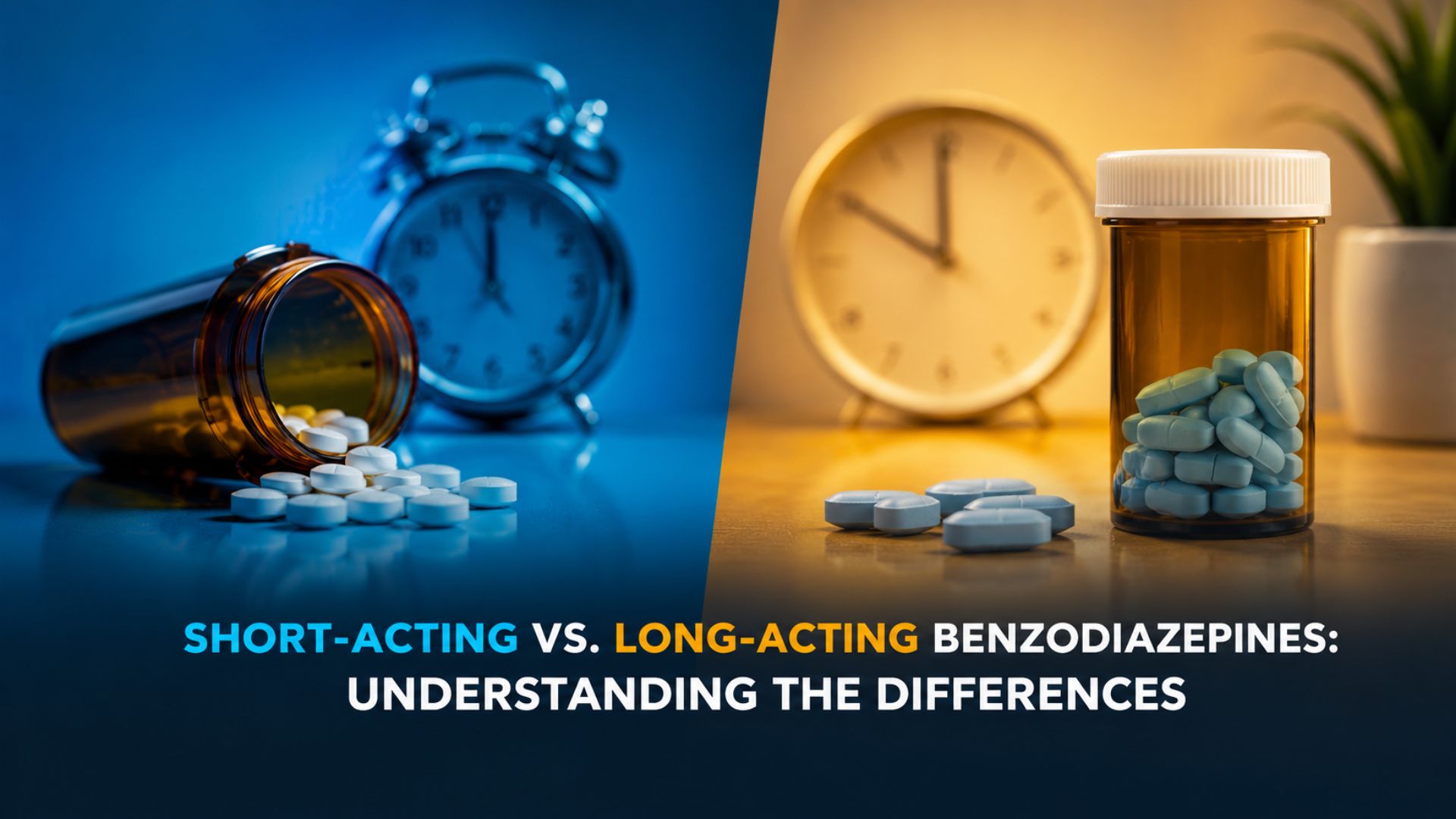

Anxiety and substance abuse are two interconnected issues that often go hand in hand. Many individuals who struggle with anxiety turn to alcohol or drugs as a means of self-medication, hoping to alleviate their symptoms temporarily. However, this self-medication can quickly spiral into a dangerous cycle of addiction and worsened anxiety. Understanding the connection between anxiety and substance abuse is crucial in order to break this cycle and seek proper treatment.
Anxiety and substance abuse are linked in a complex and multifaceted way. On one hand, individuals with anxiety may turn to alcohol or drugs as a way to cope with their overwhelming feelings of fear and worry. These substances can provide temporary relief, as they can numb the mind and temporarily alleviate anxiety symptoms. However, this relief is short-lived, and the individual may find themselves needing more and more of the substance to achieve the same effect.
On the other hand, substance abuse can actually worsen anxiety symptoms over time. Alcohol and drugs can disrupt the brain’s natural chemistry, leading to imbalances that can exacerbate anxiety. Additionally, the lifestyle associated with substance abuse, such as irregular sleep patterns, poor nutrition, and lack of exercise, can also contribute to increased anxiety levels.
Alcohol and drugs have a detrimental impact on anxiety symptoms. While they may provide temporary relief, they ultimately worsen anxiety in the long run. Alcohol is a depressant that slows down brain activity, which can initially create a sense of relaxation. However, as the effects wear off, the brain rebounds and anxiety levels can skyrocket.
Similarly, drugs such as marijuana or stimulants like cocaine or amphetamines can also have negative effects on anxiety. Marijuana may initially provide a sense of calm or euphoria, but it can also increase heart rate and induce paranoia or panic attacks. Stimulants, on the other hand, can heighten anxiety levels and lead to increased feelings of restlessness and agitation.
Substance abuse can worsen anxiety symptoms in several ways. Firstly, the use of alcohol or drugs can disrupt the brain’s natural chemistry, leading to imbalances that can exacerbate anxiety. This can result in increased feelings of fear, worry, and unease.
Additionally, substance abuse can also impact the body’s stress response system. The body’s natural response to stress is to release stress hormones such as cortisol and adrenaline. However, chronic substance abuse can disrupt this system, leading to an overactive stress response and heightened anxiety levels.
Furthermore, substance abuse can also lead to withdrawal symptoms when the individual tries to quit or cut back on their use. These withdrawal symptoms can include increased anxiety, restlessness, irritability, and even panic attacks. This can create a vicious cycle where the individual feels compelled to continue using substances in order to avoid these distressing withdrawal symptoms.
Substance abuse and panic attacks are closely linked. Panic attacks are intense episodes of fear or discomfort that are accompanied by physical symptoms such as rapid heartbeat, shortness of breath, and chest pain. These episodes can be triggered by various factors, including substance abuse.
Alcohol and drugs can directly trigger panic attacks in some individuals. For example, excessive alcohol consumption can lead to a condition known as alcohol-induced panic disorder. Similarly, certain drugs such as stimulants or hallucinogens can also induce panic attacks.
Furthermore, substance abuse can also indirectly contribute to panic attacks by worsening underlying anxiety disorders. Individuals with anxiety disorders are already more prone to experiencing panic attacks, and substance abuse can exacerbate these symptoms. This creates a dangerous cycle where the individual turns to substances to cope with their anxiety, only to experience more intense anxiety and panic attacks as a result.
Alcohol and drugs can also play a role in triggering anxiety disorders. While anxiety disorders can have various causes, substance abuse can be a significant contributing factor. The use of alcohol or drugs can disrupt the brain’s natural chemistry, leading to imbalances that can trigger or worsen anxiety disorders.
Additionally, substance abuse can also lead to the development of new anxiety disorders. For example, individuals who previously did not have an anxiety disorder may develop one as a result of chronic substance abuse. This can be due to the impact of substances on the brain and body, as well as the lifestyle associated with substance abuse.
Avoiding alcohol and substance abuse is crucial for effective anxiety management. While these substances may provide temporary relief, they ultimately worsen anxiety symptoms and contribute to a vicious cycle of addiction and mental health issues.
By avoiding alcohol and drugs, individuals with anxiety can focus on healthier coping mechanisms and strategies for managing their symptoms. This can include therapy, medication, exercise, meditation, and other healthy alternatives that will be discussed in more detail later in this article.
There are various tips and strategies that individuals with anxiety can utilize to reduce their symptoms without turning to alcohol or drugs. These healthy coping mechanisms can provide long-term relief and help break the cycle of self-medication.
One effective strategy is to engage in regular exercise. Exercise has been shown to reduce anxiety levels by releasing endorphins, which are natural mood-boosting chemicals in the brain. Additionally, exercise can also improve sleep quality, reduce stress levels, and increase overall feelings of well-being.
Another helpful technique is meditation or mindfulness practices. These techniques involve focusing on the present moment and cultivating a sense of calm and relaxation. By practicing mindfulness, individuals can learn to observe their anxious thoughts and feelings without judgment, and develop a greater sense of control over their anxiety.
There are several healthy alternatives to alcohol and drugs that can provide relief from anxiety symptoms. These alternatives focus on promoting overall well-being and mental health, rather than relying on substances for temporary relief.
One effective alternative is therapy. Cognitive-behavioral therapy (CBT) is a common approach used to treat anxiety disorders. CBT helps individuals identify and challenge negative thought patterns and develop healthier coping mechanisms. Therapy can also provide a safe space for individuals to explore the underlying causes of their anxiety and develop strategies for managing it.
In addition to therapy, other healthy alternatives for anxiety relief include engaging in hobbies or activities that bring joy, practicing relaxation techniques such as deep breathing or progressive muscle relaxation, and seeking support from friends, family, or support groups.
Seeking professional help is crucial for individuals struggling with both anxiety and substance abuse. It can be difficult to break the cycle of addiction and manage anxiety symptoms on one’s own. Professional help can provide the necessary guidance, support, and resources to overcome these challenges.
Therapy is a key component of treatment for both anxiety and substance abuse. A therapist can help individuals explore the underlying causes of their anxiety and develop healthier coping mechanisms. They can also provide support during the recovery process and help individuals navigate the challenges of sobriety.
Support groups can also be beneficial for individuals struggling with both anxiety and substance abuse. These groups provide a safe space for individuals to share their experiences, receive support from others who have gone through similar struggles, and learn from each other’s successes and setbacks.
Overcoming addiction and anxiety is a challenging but achievable goal. The road to recovery involves a combination of professional help, support from loved ones, and a commitment to making positive changes.
Sobriety is a crucial aspect of recovery. By abstaining from alcohol and drugs, individuals can begin to heal both physically and mentally. This can lead to improved mental health and a reduction in anxiety symptoms.
In addition to sobriety, mental health treatment is also essential. This can involve therapy, medication, and other evidence-based treatments for anxiety disorders. By addressing the underlying causes of anxiety and developing healthier coping mechanisms, individuals can experience long-term relief from their symptoms.
In conclusion, the connection between anxiety and substance abuse is complex and multifaceted. While individuals with anxiety may turn to alcohol or drugs as a means of self-medication, these substances ultimately worsen anxiety symptoms and contribute to a dangerous cycle of addiction.
It is important for individuals struggling with anxiety and substance abuse to seek professional help and avoid turning to alcohol or drugs for relief. There are various healthy alternatives for anxiety management, such as therapy, exercise, meditation, and support groups.
By breaking the cycle of addiction and addressing underlying mental health issues, individuals can embark on the road to recovery and experience improved overall well-being. Seeking help for addiction and anxiety is not a sign of weakness, but rather a courageous step towards a healthier and happier life.
If you’re looking for ways to reduce anxiety without relying on alcohol or substances, there are several helpful resources available. One such article is “Safely Tapering off Chlordiazepoxide: A Guide to Managing Benzodiazepine Withdrawal” by Benzodoc. This comprehensive guide provides step-by-step instructions on how to safely taper off chlordiazepoxide, a commonly prescribed benzodiazepine medication. By following this guide, individuals can effectively manage withdrawal symptoms and reduce their reliance on these medications. To learn more about this topic, visit https://benzodoc.com/safely-tapering-off-chlordiazepoxide-a-guide-to-managing-benzodiazepine-withdrawal/.

Dr. Leeds specializes in the Ashton Method, a well-established and evidence-based protocol for tapering off benzodiazepines. Developed by the renowned Dr. Heather Ashton, the Ashton Method provides a structured and safe approach to gradually reducing benzodiazepine dosages, minimizing withdrawal symptoms, and ultimately achieving freedom from these medications.
Contact Us for expert guidance on safely tapering off benzodiazepines and reclaiming your life.