

Physical activity has long been recognized as a powerful tool for reducing anxiety and improving mental health. Engaging in regular exercise releases endorphins, which are natural mood boosters that can help alleviate symptoms of anxiety. Additionally, physical activity provides a distraction from anxious thoughts and promotes a sense of accomplishment and self-confidence. It is important to find an enjoyable form of physical activity, as this will increase motivation and make it easier to incorporate into a daily routine.
Dancing is not only a fun and enjoyable form of physical activity, but it also offers numerous benefits for anxiety reduction. When we dance, our bodies release endorphins, which are natural mood enhancers that can help reduce feelings of anxiety and stress. Dancing also helps to improve cardiovascular health, increase flexibility and strength, and improve overall body coordination.
In addition to the physical benefits, dancing also has mental health benefits. It can help to improve self-esteem and body image, as well as boost confidence and self-expression. Dancing is a form of creative expression that allows individuals to let go of their worries and focus on the present moment. It can also provide a sense of community and social connection, which is important for overall mental well-being.
If you are interested in incorporating dance into your physical activity routine, there are several tips to help you get started. First, find a style of dance that you enjoy and feel comfortable with. This could be anything from ballet to hip-hop to salsa. There are many different types of dance styles to choose from, so explore different options until you find one that resonates with you.
Once you have chosen a dance style, consider taking a class or finding online tutorials to help you learn the basics. Taking a class can provide structure and guidance, while online tutorials allow you to learn at your own pace in the comfort of your own home. Start with beginner-level classes or tutorials and gradually work your way up as you become more comfortable and confident.
Remember to start slowly and listen to your body. It is important to warm up before dancing and to stretch afterwards to prevent injury. Take breaks when needed and don’t push yourself too hard. The goal is to enjoy the process and have fun, not to become a professional dancer overnight.
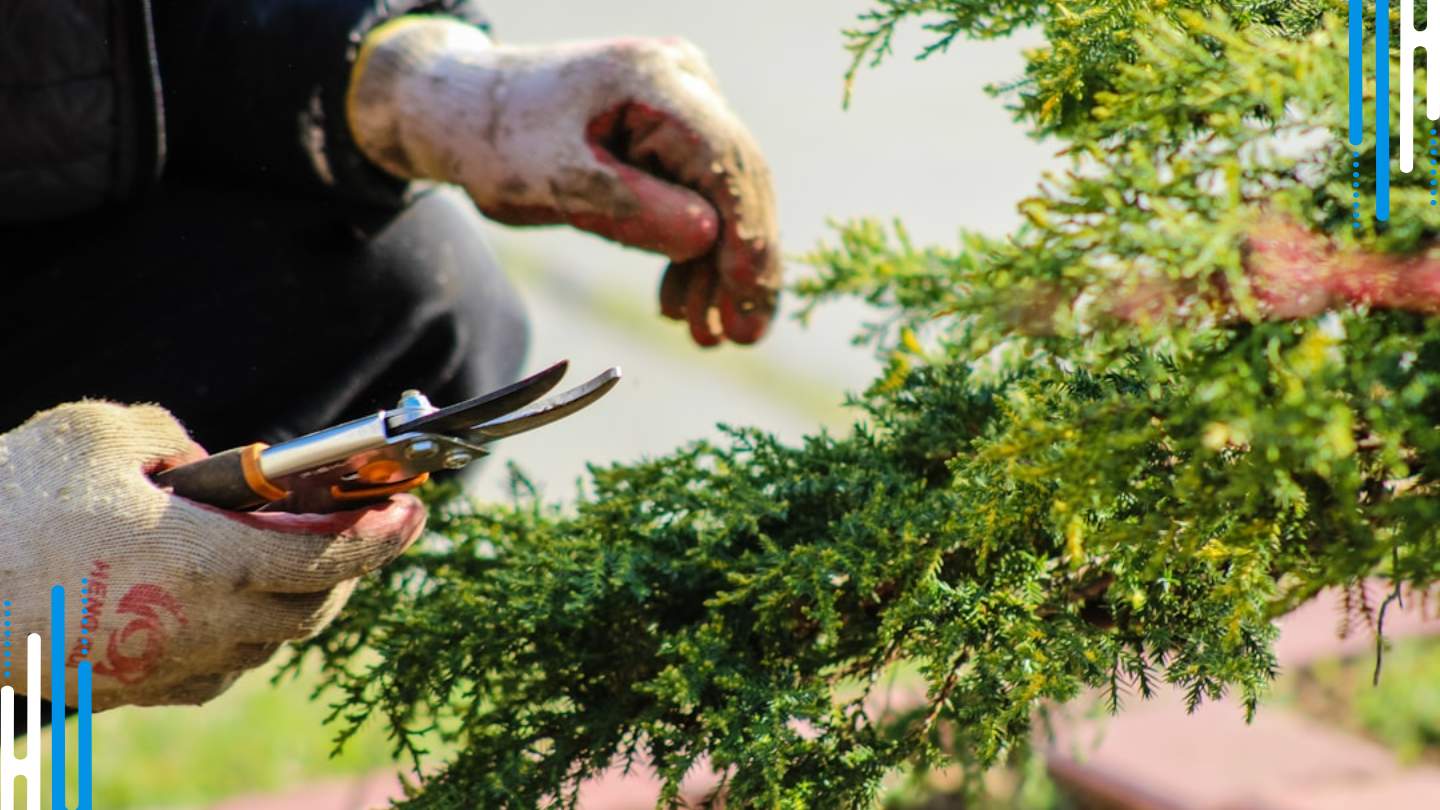
Gardening is another physical activity that has been shown to reduce anxiety and improve mental health. Spending time outdoors in nature has a calming effect on the mind and can help reduce stress and anxiety. Gardening also provides a sense of purpose and accomplishment, as individuals can see the fruits of their labor grow and flourish.
In addition to the mental benefits, gardening also offers physical benefits. It is a low-impact form of exercise that can help improve strength, flexibility, and cardiovascular health. Digging, planting, and weeding all require physical effort, which can help release tension and promote relaxation.
Gardening has been recognized as a therapeutic activity that can improve mental health in various ways. First, it provides a sense of purpose and responsibility, as individuals are responsible for caring for their plants and ensuring their well-being. This can help boost self-esteem and provide a sense of accomplishment.
Gardening also promotes mindfulness and being present in the moment. When tending to plants, individuals are focused on the task at hand and can let go of anxious thoughts or worries. This can provide a much-needed break from the stresses of daily life.
Furthermore, gardening allows individuals to connect with nature and experience its calming effects. Being surrounded by greenery and fresh air can have a soothing effect on the mind and help reduce symptoms of anxiety and depression. Gardening can also provide a sense of connection to the earth and a feeling of being grounded.
If you are interested in starting a garden to reduce anxiety, there are several tips to help you get started. First, consider the space you have available. You don’t need a large backyard to start a garden – even a small balcony or windowsill can be used for container gardening. Choose plants that are suitable for your space and climate.
Next, decide what type of plants you want to grow. Consider your interests and preferences – do you enjoy flowers, herbs, or vegetables? Choose plants that you find visually appealing or that have a scent that brings you joy. The goal is to create a garden that brings you happiness and relaxation.
Start small and gradually expand your garden as you become more comfortable and confident. Begin with a few plants and see how they thrive in your space. As you gain experience, you can experiment with different types of plants and expand your garden.
For maximum anxiety relief, consider combining dance and gardening into your physical activity routine. This combination allows you to enjoy the benefits of both activities and provides a well-rounded approach to reducing anxiety.
One way to combine dance and gardening is to incorporate dance breaks into your gardening routine. Take short dance breaks in between planting or weeding sessions to get your body moving and release endorphins. Put on some music and let yourself dance freely in your garden – this can be a fun and energizing way to break up the monotony of gardening tasks.
Another way to combine dance and gardening is to create a dance-inspired garden. Choose plants that have vibrant colors or interesting shapes that remind you of dance movements. Create pathways or patterns in your garden that mimic dance steps or choreography. This can be a creative way to express your love for dance while also enjoying the therapeutic benefits of gardening.
Consistency is key when it comes to physical activity for anxiety reduction. Engaging in regular exercise helps to regulate the release of stress hormones and promotes a sense of well-being. It is important to make physical activity a part of your daily routine and to prioritize it just like any other important task.
To stay consistent with physical activity, it can be helpful to set specific goals and create a schedule. Set realistic goals that are achievable and measurable. For example, aim to dance for 30 minutes three times a week or spend 1 hour in the garden every day. Having a schedule and specific goals can help keep you motivated and accountable.
It is also important to find activities that you enjoy and look forward to. If you don’t enjoy running, don’t force yourself to do it – find another form of exercise that brings you joy. Whether it’s dancing, gardening, swimming, or hiking, find an activity that you genuinely enjoy and that makes you feel good. This will make it easier to stay consistent and incorporate physical activity into your daily routine.
While dancing and gardening are excellent forms of physical activity for anxiety reduction, there are many other activities that can also provide similar benefits. Some examples include:
– Yoga: Yoga combines physical movement with mindfulness and deep breathing, making it an effective tool for reducing anxiety and promoting relaxation.
– Walking or jogging: Going for a walk or jog outdoors can help clear the mind, reduce stress, and improve overall mood.
– Cycling: Cycling is a low-impact form of exercise that can help improve cardiovascular health and reduce symptoms of anxiety.
– Swimming: Swimming is a full-body workout that can help release tension and promote relaxation.
– Pilates: Pilates focuses on core strength, flexibility, and body awareness, making it a great option for reducing anxiety and improving overall well-being.
In conclusion, physical activity is a powerful tool for reducing anxiety and improving mental health. Dancing and gardening are two enjoyable forms of physical activity that offer numerous benefits for anxiety reduction. By incorporating dance or gardening into your daily routine, you can experience the physical and mental benefits that these activities provide.
Remember to start slowly and listen to your body. Find a dance style or gardening method that you enjoy and feel comfortable with. Set realistic goals and create a schedule to stay consistent with physical activity. And don’t be afraid to try other forms of physical activity that interest you – the key is to find activities that you genuinely enjoy and that make you feel good.
By making physical activity a part of your anxiety management plan, you can take control of your mental health and improve your overall well-being. So put on some music, get moving, and start dancing or gardening your way to a calmer, happier life.
Engaging in physical activities like dancing or gardening can be an effective way to reduce anxiety. According to a recent article on benzodoc.com, physical exercise has been shown to have a positive impact on mental health, including reducing symptoms of anxiety. The article provides helpful tips and insights on how to incorporate physical activities into your daily routine to manage anxiety effectively. To learn more about this topic, check out the article here.

Dr. Leeds specializes in the Ashton Method, a well-established and evidence-based protocol for tapering off benzodiazepines. Developed by the renowned Dr. Heather Ashton, the Ashton Method provides a structured and safe approach to gradually reducing benzodiazepine dosages, minimizing withdrawal symptoms, and ultimately achieving freedom from these medications.
Contact Us for expert guidance on safely tapering off benzodiazepines and reclaiming your life.