

Benzodiazepine withdrawal symptoms can be incredibly challenging and uncomfortable for individuals who are trying to overcome their dependency on these medications. These symptoms can include anxiety, insomnia, nausea, vomiting, and more. Managing these withdrawal symptoms is crucial for a successful recovery and to prevent relapse. While prescription drugs are often used to alleviate these symptoms, there is a growing interest in the use of herbal remedies as a natural alternative. Herbal remedies have been used for centuries to treat various ailments and are now being explored for their potential in managing benzodiazepine withdrawal symptoms.
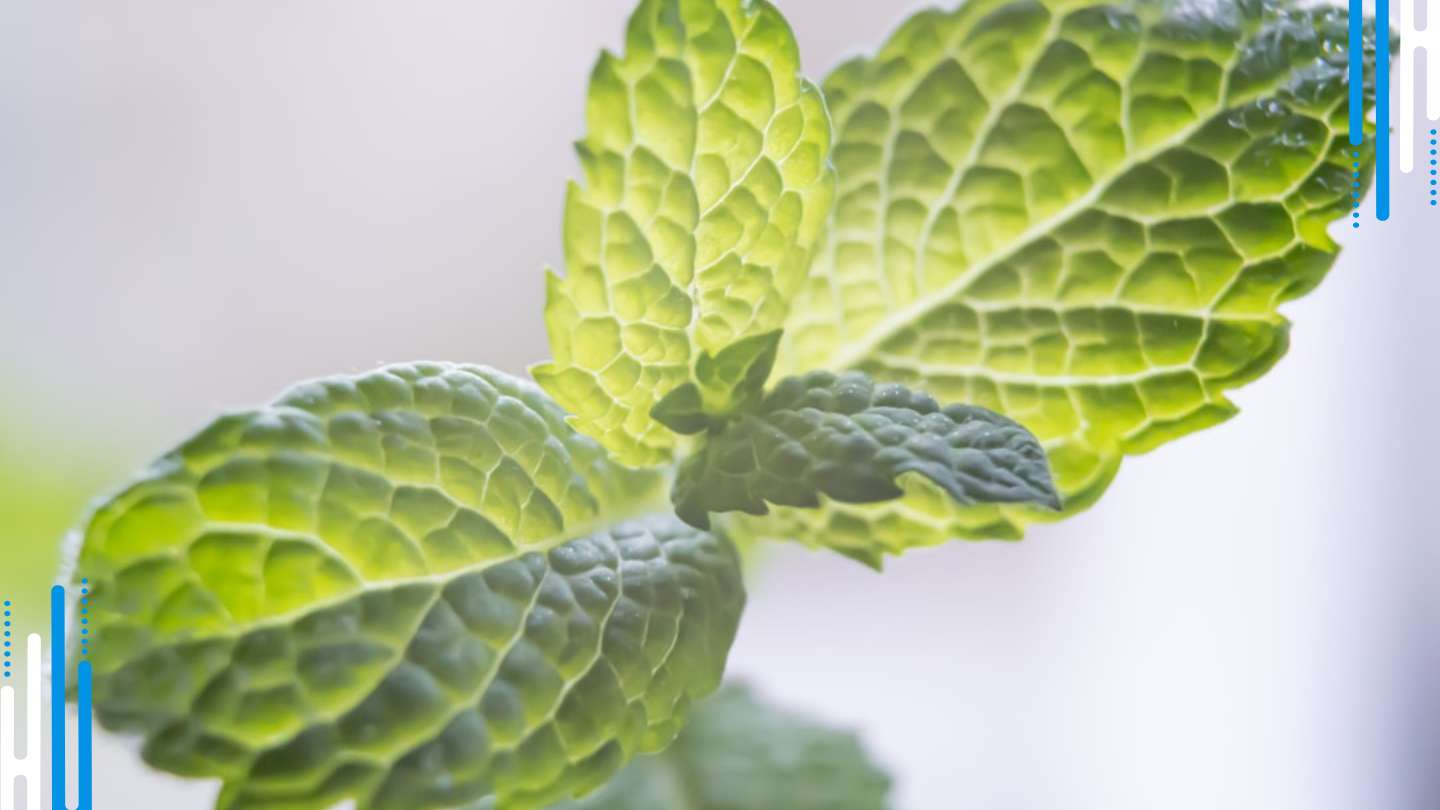
Herbal remedies are natural substances derived from plants that are used to promote health and well-being. These remedies can come in various forms such as teas, tinctures, capsules, or oils. When it comes to managing benzodiazepine withdrawal symptoms, herbal remedies work by targeting the underlying causes of these symptoms. For example, herbs like chamomile and valerian root have calming properties that can help reduce anxiety and promote sleep. Other herbs like ginger and peppermint can alleviate nausea and vomiting.
In comparison to prescription drugs, herbal remedies offer a more holistic approach to managing withdrawal symptoms. Prescription drugs often come with a range of side effects and can be addictive themselves. Herbal remedies, on the other hand, are generally considered safe when used as directed and have fewer side effects. They also have a lower risk of addiction since they do not contain the same potent chemicals found in prescription drugs.
Long-term use of medications like benzodiazepines can come with various risks and complications. These medications can be highly addictive and can lead to dependence, making it difficult for individuals to stop using them without experiencing withdrawal symptoms. Additionally, long-term use of benzodiazepines can have negative effects on cognitive function and memory.
Natural remedies, including herbal remedies, offer a way to reduce dependency on medications by providing alternative methods for managing withdrawal symptoms. By addressing the underlying causes of these symptoms, herbal remedies can help individuals gradually reduce their reliance on prescription drugs. This can lead to a more sustainable and long-lasting recovery.
One of the main advantages of herbal remedies over prescription drugs is the reduced risk of side effects. Prescription drugs often come with a long list of potential side effects, ranging from mild to severe. These side effects can be debilitating and may require additional medications to manage. Herbal remedies, on the other hand, are generally well-tolerated and have fewer reported side effects.
Another advantage of herbal remedies is the lower risk of addiction. Prescription drugs like benzodiazepines are known to be highly addictive and can lead to dependence. This can make it incredibly challenging for individuals to stop using these medications without experiencing withdrawal symptoms. Herbal remedies, however, do not contain the same addictive properties and can be used as a safer alternative.
Cost-effectiveness is also a significant advantage of herbal remedies. Prescription drugs can be expensive, especially when taken over an extended period. Herbal remedies, on the other hand, are often more affordable and accessible. This makes them a viable option for individuals who may not have access to or cannot afford prescription medications.
Anxiety and insomnia are two common withdrawal symptoms experienced by individuals going through benzodiazepine withdrawal. These symptoms can be incredibly distressing and can significantly impact an individual’s quality of life. Fortunately, there are several herbal remedies that can help alleviate these symptoms.
Herbs like chamomile, valerian root, and passionflower have calming properties that can help reduce anxiety and promote relaxation. These herbs can be consumed as teas, taken in capsule form, or used as essential oils for aromatherapy. Additionally, herbs like lavender and lemon balm can also help promote sleep and alleviate insomnia.
Nausea and vomiting are common symptoms experienced during benzodiazepine withdrawal. These symptoms can be incredibly uncomfortable and can make it difficult for individuals to maintain a healthy diet and stay hydrated. Herbal supplements can be used to alleviate these symptoms and provide relief.
Ginger is a well-known herb that has been used for centuries to treat nausea and vomiting. It can be consumed as a tea, taken in capsule form, or used as a spice in cooking. Peppermint is another herb that can help alleviate nausea and promote digestion. It can be consumed as a tea or used as an essential oil for aromatherapy.
Herbal teas have long been used for their medicinal properties and are a popular choice for managing benzodiazepine withdrawal symptoms. These teas are made by steeping herbs in hot water, allowing the beneficial compounds to be extracted into the liquid. Herbal teas can be consumed throughout the day to provide ongoing relief from withdrawal symptoms.
Herbal teas like chamomile, valerian root, passionflower, lavender, and lemon balm are commonly used to reduce anxiety and promote sleep during withdrawal. These teas can be enjoyed warm or cold and can be sweetened with honey or other natural sweeteners if desired.
Aromatherapy is a holistic healing practice that uses essential oils derived from plants to promote physical and emotional well-being. These essential oils can be inhaled directly or used topically with carrier oils. Aromatherapy can be a beneficial addition to a holistic approach to managing benzodiazepine withdrawal symptoms.
Essential oils like lavender, chamomile, and lemon balm have calming properties that can help reduce anxiety and promote relaxation. These oils can be used in diffusers, added to bathwater, or applied topically with carrier oils for massage. Peppermint and ginger essential oils can also be used to alleviate nausea and promote digestion.
While herbal remedies can be effective in managing benzodiazepine withdrawal symptoms, it is important to combine them with lifestyle changes for optimal results. Lifestyle changes can include adopting a healthy diet, engaging in regular exercise, practicing stress-reducing techniques like meditation or yoga, and getting enough sleep.
By incorporating these lifestyle changes alongside herbal remedies, individuals can address the underlying causes of their withdrawal symptoms and promote overall well-being. It is important to consult with a healthcare professional or herbalist to determine the best combination of herbal remedies and lifestyle changes for each individual’s unique needs.
The use of herbal remedies in managing benzodiazepine withdrawal symptoms is still relatively new and requires further research. However, there is growing interest and anecdotal evidence supporting their effectiveness. As more individuals seek natural alternatives to prescription drugs, the future of herbal remedies in benzodiazepine withdrawal treatment looks promising.
Further research is needed to determine the optimal dosages, combinations, and duration of use for different herbal remedies. Additionally, more studies are needed to understand the mechanisms of action and potential interactions with other medications. With continued research and exploration, herbal remedies may become a mainstream option for managing benzodiazepine withdrawal symptoms.
Managing benzodiazepine withdrawal symptoms is crucial for a successful recovery and to prevent relapse. While prescription drugs are often used to alleviate these symptoms, herbal remedies offer a natural alternative with fewer side effects and a lower risk of addiction. Herbal remedies can be used to manage anxiety, insomnia, nausea, and vomiting during withdrawal. Additionally, herbal teas and aromatherapy can provide ongoing relief and promote overall well-being. By combining herbal remedies with lifestyle changes, individuals can address the underlying causes of their withdrawal symptoms and reduce their dependency on medications. The future of herbal remedies in benzodiazepine withdrawal treatment looks promising, but further research is needed to fully understand their potential.
If you’re interested in learning more about safe and effective tapering methods for benzodiazepine withdrawal, you may want to check out this article on “Gradual Goodbyes: A Safe Nortriptyline Taper Journey.” This comprehensive guide provides step-by-step instructions for successfully tapering off nortriptyline, a medication commonly used to treat depression and anxiety. By following this guide, individuals can minimize withdrawal symptoms and safely transition to a benzodiazepine-free life. To read the full article, click here.

Dr. Leeds specializes in the Ashton Method, a well-established and evidence-based protocol for tapering off benzodiazepines. Developed by the renowned Dr. Heather Ashton, the Ashton Method provides a structured and safe approach to gradually reducing benzodiazepine dosages, minimizing withdrawal symptoms, and ultimately achieving freedom from these medications.
Contact Us for expert guidance on safely tapering off benzodiazepines and reclaiming your life.