

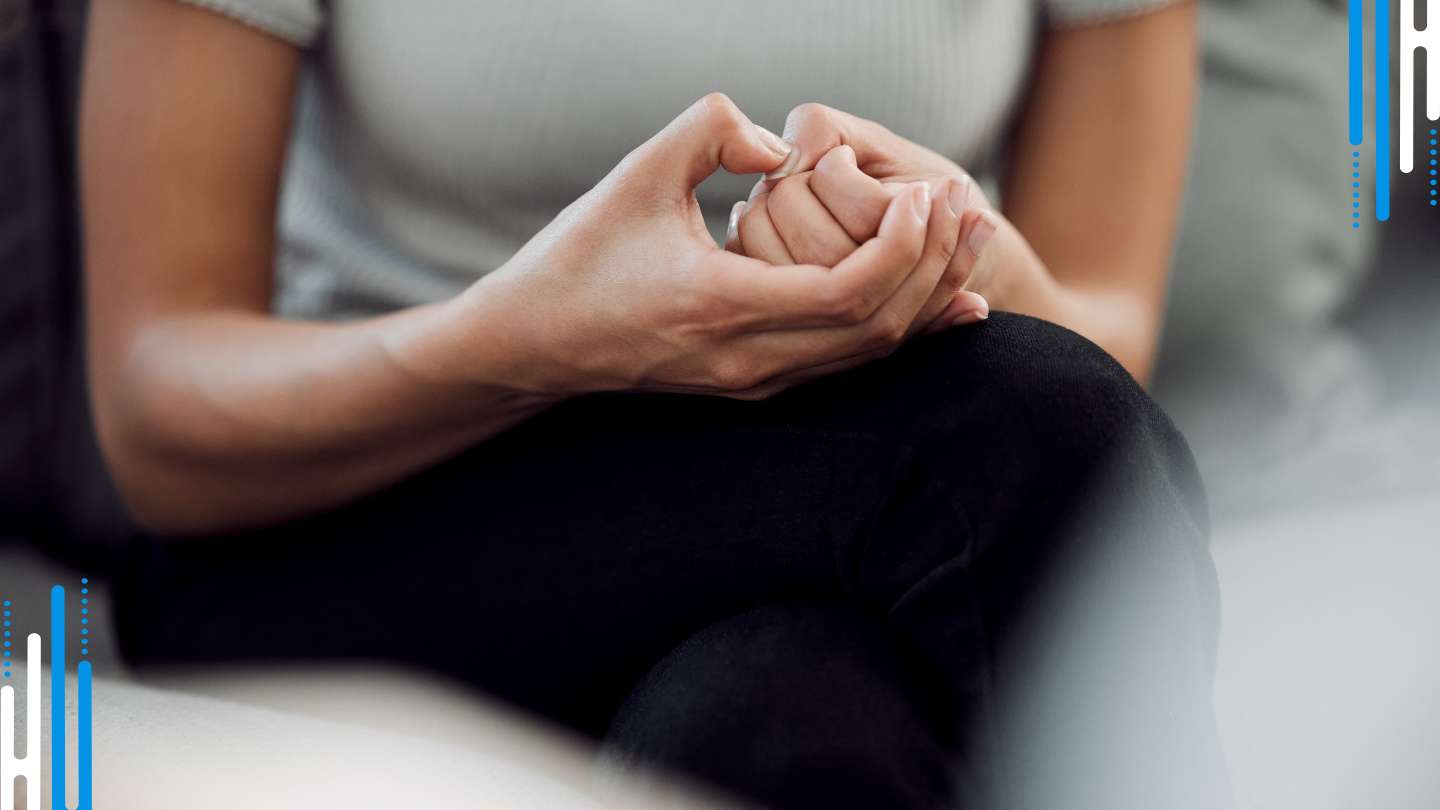
Anxiety is a common mental health condition that affects millions of people worldwide. It is characterized by feelings of fear, worry, and unease, often accompanied by physical symptoms such as increased heart rate, sweating, and trembling. According to the World Health Organization, anxiety disorders are the most prevalent mental health disorders globally, affecting around 275 million people. Managing anxiety is crucial for maintaining good mental health and overall well-being.
Anxiety is a normal response to stress or danger. It is the body’s way of preparing for a fight-or-flight response. However, when anxiety becomes excessive and interferes with daily life, it can be classified as an anxiety disorder. Common symptoms of anxiety include excessive worrying, restlessness, irritability, difficulty concentrating, and sleep disturbances.
There are various causes and triggers of anxiety. Some people may have a genetic predisposition to anxiety disorders, while others may develop anxiety due to traumatic experiences or ongoing stressors in their lives. Certain medical conditions and medications can also contribute to the development of anxiety symptoms.
Anxiety affects both the body and mind. Physically, it can lead to increased heart rate, rapid breathing, muscle tension, and digestive issues. Mentally, it can cause racing thoughts, difficulty concentrating, and a constant sense of unease. Long-term anxiety can have detrimental effects on overall health if left unmanaged.
One of the first steps in managing anxiety is identifying your triggers and learning how to manage them effectively. Triggers can be specific situations, people, or even thoughts that cause feelings of anxiety. By recognizing these triggers, you can develop strategies to cope with them more effectively.
Cognitive-behavioral therapy (CBT) is a commonly used approach for managing anxiety triggers. It involves identifying negative thought patterns and replacing them with more positive and realistic ones. Exposure therapy is another effective technique for managing anxiety triggers. It involves gradually exposing yourself to the situations or objects that trigger anxiety, allowing you to build resilience and reduce anxiety over time.
Mindfulness and relaxation techniques can be powerful tools in managing anxiety. Mindfulness involves paying attention to the present moment without judgment, allowing you to become more aware of your thoughts and feelings. By practicing mindfulness regularly, you can learn to observe your anxious thoughts without getting caught up in them.
Relaxation techniques such as deep breathing, progressive muscle relaxation, and meditation can also help reduce anxiety symptoms. Deep breathing exercises involve taking slow, deep breaths in through your nose and exhaling slowly through your mouth. Progressive muscle relaxation involves tensing and then relaxing each muscle group in your body, promoting a sense of relaxation and calm. Meditation involves focusing your attention on a specific object, word, or breath, helping to quiet the mind and reduce anxiety.
Read More: Mindfulness Meditation: A Proven Anxiety Reducer
Maintaining a healthy lifestyle is essential for managing anxiety. Regular exercise has been shown to reduce anxiety symptoms by increasing endorphin levels and promoting a sense of well-being. Aim for at least 30 minutes of moderate-intensity exercise most days of the week.
Getting enough sleep is also crucial for managing anxiety. Lack of sleep can exacerbate anxiety symptoms and make it more difficult to cope with stress. Establish a regular sleep routine and create a relaxing environment in your bedroom to promote better sleep.
Eating a balanced diet can also have a positive impact on anxiety management. Avoid excessive caffeine and sugar, as they can increase feelings of anxiety and restlessness. Instead, focus on consuming whole foods such as fruits, vegetables, lean proteins, and whole grains, which provide essential nutrients for brain health.
Read more: Quality Sleep: Key to Reducing Anxiety
Social support is vital in managing anxiety. Connecting with others who have similar experiences can provide a sense of validation and understanding. Support groups, both in-person and online, can be a valuable resource for individuals with anxiety. These groups provide a safe space to share experiences, learn coping strategies, and gain support from others who are going through similar challenges.
Therapy is another effective way to seek support and manage anxiety. Cognitive-behavioral therapy (CBT) and other evidence-based therapies can help individuals develop coping skills, challenge negative thought patterns, and learn relaxation techniques. A therapist can provide guidance and support throughout the recovery process.
While self-help strategies can be effective for managing anxiety, it is important to recognize when professional help may be necessary. If your anxiety symptoms are severe, persistent, or interfering with your daily life, it may be beneficial to seek help from a mental health professional.
Medication can be prescribed by a psychiatrist to help manage anxiety symptoms. Antidepressants and anti-anxiety medications are commonly used to treat anxiety disorders. These medications work by balancing brain chemicals that are involved in mood regulation.
Therapy, such as cognitive-behavioral therapy (CBT), is often recommended as a first-line treatment for anxiety disorders. CBT helps individuals identify and change negative thought patterns and develop healthy coping strategies. Other types of therapy, such as exposure therapy or acceptance and commitment therapy (ACT), may also be beneficial depending on the individual’s needs.
Maintaining a positive mindset is crucial for managing anxiety. Negative thoughts can fuel anxiety symptoms and make it more difficult to cope with stress. Practice self-talk by challenging negative thoughts and replacing them with more positive and realistic ones.
Positive affirmations can also be helpful in maintaining a positive mindset. Repeat positive statements to yourself, such as “I am capable of managing my anxiety” or “I am strong and resilient.” These affirmations can help shift your mindset and build self-confidence.
Coping with stress is another important aspect of managing anxiety. Stress can exacerbate anxiety symptoms and make it more difficult to cope. Find healthy ways to manage stress, such as engaging in hobbies, practicing relaxation techniques, or seeking support from loved ones.
Self-care is essential for managing anxiety and prioritizing your mental health. Self-care involves taking intentional actions to care for your physical, mental, and emotional well-being. It can include activities such as taking a bath, practicing yoga, reading a book, or spending time in nature.
Prioritizing your mental health means recognizing that your well-being is just as important as any other aspect of your life. Make time for self-care activities and set boundaries to protect your mental health. Remember that self-care is not selfish; it is necessary for maintaining good mental health and overall well-being.
Managing anxiety can be challenging, and there may be obstacles along the way. It is important to recognize these obstacles and develop strategies to overcome them.
One common obstacle is the fear of facing anxiety triggers. It can be tempting to avoid situations or objects that cause anxiety, but this avoidance can actually reinforce anxiety symptoms. Gradual exposure to triggers, with the support of a therapist if needed, can help build resilience and reduce anxiety over time.
Another obstacle is the tendency to fall back into old habits or negative thinking patterns. It is important to stay committed to recovery and remind yourself of the progress you have made. Celebrate small victories along the way and seek support from loved ones or a therapist when needed.
Celebrating your progress is crucial for staying motivated on your journey to recovery. Recognize and celebrate even the smallest victories, such as facing a fear or implementing a new coping strategy. This positive reinforcement can help build confidence and motivation to continue working towards managing anxiety.
Staying motivated can be challenging, especially during difficult times. It is important to remind yourself of your goals and the reasons why managing anxiety is important to you. Surround yourself with supportive people who can provide encouragement and accountability.
Managing anxiety is essential for maintaining good mental health and overall well-being. By identifying triggers, practicing mindfulness and relaxation techniques, adopting a healthy lifestyle, seeking support, considering professional help when needed, maintaining a positive mindset, prioritizing self-care, and overcoming obstacles, individuals can take control of their anxiety and lead fulfilling lives. Remember that managing anxiety is a journey, and it is important to be patient and kind to yourself along the way. Prioritize your mental health and seek help when needed.
If you’re looking for manageable steps to reduce anxiety, you may find this article on safely tapering off Valium helpful. It provides a comprehensive guide to managing withdrawal symptoms and offers tips for a smooth transition. By following the strategies outlined in the article, you can take control of your anxiety and work towards a healthier, more balanced state of mind. Check out the article here for more information.

Dr. Leeds specializes in the Ashton Method, a well-established and evidence-based protocol for tapering off benzodiazepines. Developed by the renowned Dr. Heather Ashton, the Ashton Method provides a structured and safe approach to gradually reducing benzodiazepine dosages, minimizing withdrawal symptoms, and ultimately achieving freedom from these medications.
Contact Us for expert guidance on safely tapering off benzodiazepines and reclaiming your life.